
"Tempest Rising: A Nostalgic '90s RTS Preview"
Author : Olivia
Mar 29,2025
As soon as I launched the Tempest Rising demo for the first time, I was filled with a sense of anticipation. The opening cinematic, with its delightfully cheesy dialogue from bulky armored soldiers and a reedy scientist, brought a smile to my face. The music, UI design, and units all felt like a nostalgic trip back to high school, where I'd spend countless late nights playing Command & Conquer with friends, fueled by Mountain Dew, taco-flavored Pringles, and sheer sleep deprivation. Recapturing that feeling through a modern game is exhilarating, and I'm eager to see what else Slipgate Ironworks has in store at launch and beyond. Whether I was diving into Skirmish mode to challenge bots with clever AI or engaging in Ranked Multiplayer, playing Tempest Rising feels as comfortable as slipping on my well-worn baseball glove.
This initial reaction is no coincidence. The developers at Slipgate Ironworks set out to create a nostalgic real-time strategy (RTS) game that echoes the classics of the 90s and 2000s, while incorporating modern quality-of-life improvements. Set in an alternate history of 1997, Tempest Rising unfolds in a world where the Cuban Missile Crisis escalated into World War 3. In the aftermath of widespread nuclear devastation, strange flowering vines emerged, brimming with electrical energy and heralding a new era of power for those brave enough to harvest them amidst the fallout.
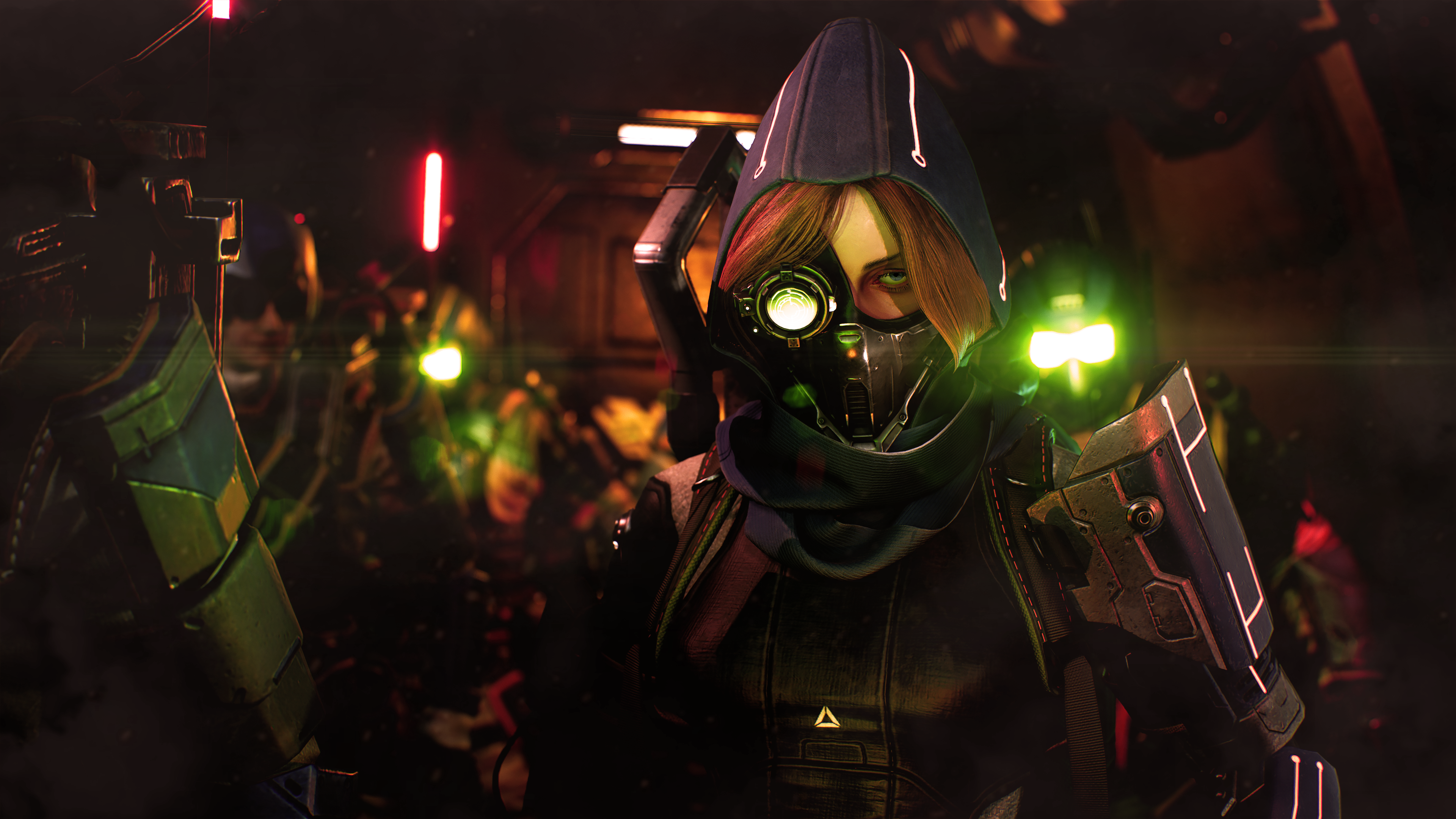
Tempest Rising Screenshots

 8 Images
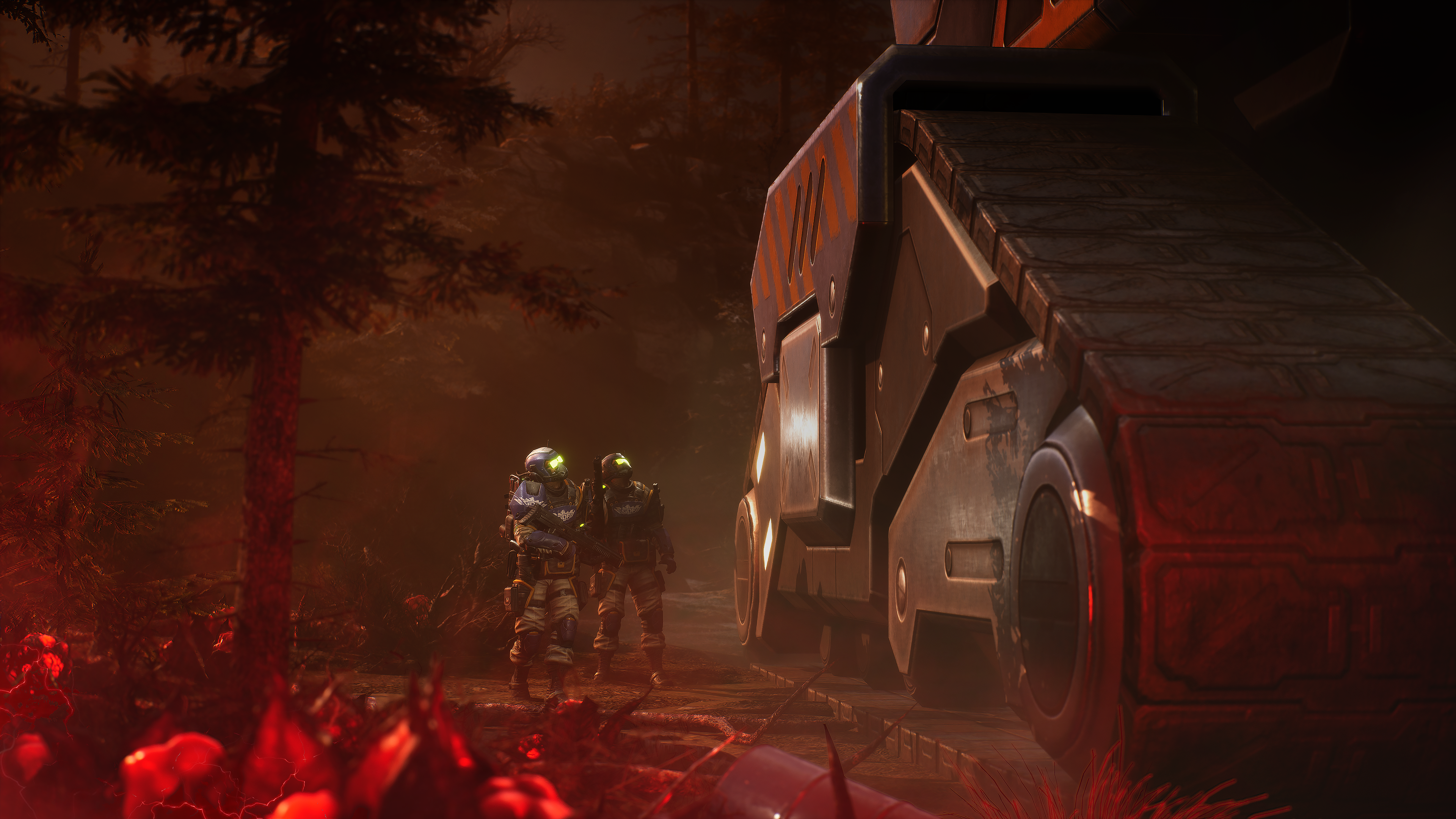
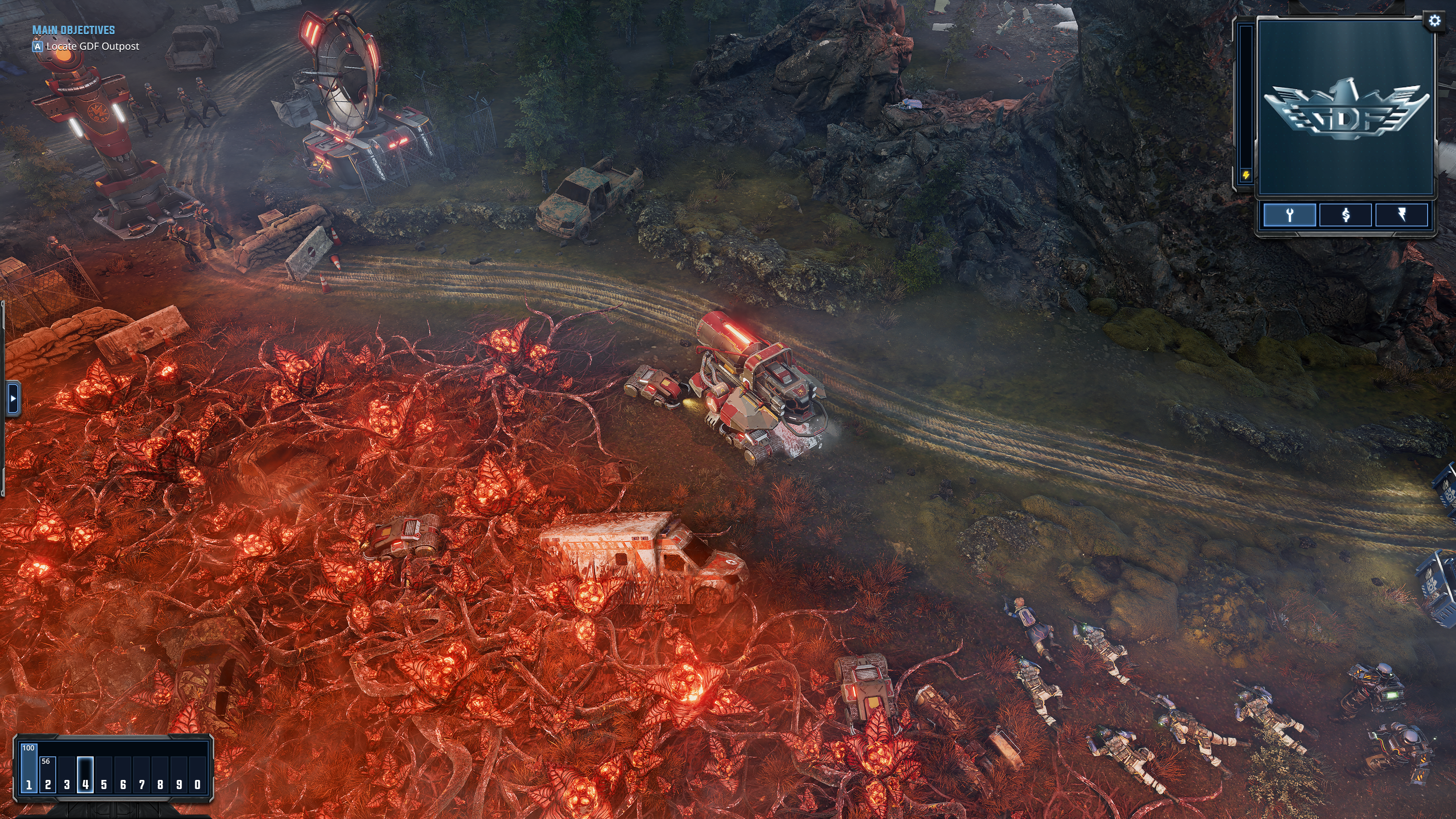
 Since the build I played was focused exclusively on multiplayer, I'll have to wait to experience the story mode, which will feature two replayable 11-mission campaigns, one for each of the main factions available in the preview. The Tempest Dynasty (TD) is an alliance of Eastern European and Asian countries, hit hardest by WW3. On the other hand, the Global Defense Forces (GDF) represent an alliance between the United States, Canada, and Western Europe. There is a third faction, but details about it will remain under wraps until the campaign is released, as it isn't playable in the preview build, the Steam RTS Fest demo, or at launch.
The Tempest Dynasty immediately caught my attention, not just because of their amusing 'death ball' vehicle known as the Tempest Sphere, which amusingly rolls over enemy infantry, turning them into a fine paste. The Dynasty also employs 'plans,' which activate faction-wide bonuses in three specific categories. Starting with the Construction Yard, the main building everyone begins with, you can activate one plan at a time. With a bit of extra power generation and a 30-second cooldown for switching plans, you're all set.
The Logistics Plan allowed me to build new structures faster and harvest resources more efficiently, with mobile resource harvesters moving at an increased pace. The Martial Plan enhanced the attack speed of my units, provided resistance to rockets and explosives, and enabled Machinist units to sacrifice their health for a 50% boost in attack speed. Lastly, the Security Plan reduced the cost of creating units and buildings, improved the Repair function of certain units, and extended Radar vision. I found a rhythm by alternating between resource-gathering phases using the Logistics Plan, rapid building under the Security Plan, and aggressive combat with the Martial Plan's enhancements.This versatility extends to other aspects of the Dynasty as well. Instead of setting up a Refinery base like the GDF to harvest nearby tempest fields, the Tempest Dynasty deploys Tempest Rigs—mobile vehicles that harvest resources until the field is depleted, then move to another location. This makes my favorite 'fast expand' RTS strategy easier than ever, especially since the rigs can operate far from my base. Sending a few Tempest Rigs to remote areas allowed them to harvest undisturbed, generating a steady income without being detected by opponents.
The Dynasty also features a versatile unit called the Salvage Van, which can repair nearby vehicles or switch to Salvage Mode, destroying nearby vehicles and reclaiming resources for the player. I enjoyed sneaking up on inattentive opponents, positioning a salvage truck next to their vehicles, and dismantling them to weaken their forces while bolstering my own resources. Finally, Dynasty power plants can switch from power generation to 'Distribution Mode,' which accelerates the construction and attack speed of nearby buildings—some of which boast cannons. While active, this mode causes damage to the building, but it automatically deactivates at critical health levels, ensuring I didn't accidentally destroy my own base for a speed boost.While I have a soft spot for the Tempest Dynasty, the GDF offers its own appeal, focusing on enhancing allies, debuffing enemies, and controlling the battlefield. My favorite GDF synergy involves the Marking mechanic, where certain units can 'mark' targets. Defeating marked enemies yields Intel, a currency used to create advanced units and structures. With specific Doctrine upgrades (Tempest Rising's version of 'tech trees'), marked enemies suffer various debuffs, including reduced damage output, increased damage taken, and even extended attack range for certain units targeting them.
 Tempest Rising3D Realms WishlistEach faction offers three tech trees to explore, allowing you to specialize in different aspects of your faction's strengths. For instance, the GDF's 'Marking & Intel' tree enhances marking capabilities, while the Dynasty's tree boosts the effectiveness of their 'Plans.' Beyond tech trees, constructing specific advanced buildings unlocks cooldown abilities, which, though costly and with their own cooldowns, can significantly impact the battle's outcome. While both factions have abilities that deal area damage or spawn extra troops, the GDF can also deploy spy drones, establish remote building beacons, and temporarily disable enemy vehicles' ability to attack.
There's still much to explore, and I eagerly anticipate doing so, especially since the launch version will enable Custom Lobbies with friends, allowing us to team up against the highly strategic AI bots that employed hit-and-run and harrying tactics in Skirmishes. Until then, I'll continue battling solo, delighting in crushing my bot adversaries with swarms of death balls.
Latest Articles
Summoners War set to host collaboration with the iconic fantasy book series The Lord of the Rings
Summoners War: Sky Arena has teamed up with none other than The Lord of the Rings.
Set to launch later this month, the collaboration brings iconic characters from the Fellowship and beyond into the game.
The Lord of the Rings needs no introduction—it

Another Eden expands its Chrono Cross collaboration content with Glenn and new story
Another Eden is introducing fresh content to its existing Chrono Cross collaboration materialThe release includes a beloved character named Glenn from The Cursed DragoonA new character and upcoming events are also being added to honor Japan Cat DayAl

The $13 FrSara Portable Neck Fan Is an Inexpensive Solution to Beating the Summer Heat
Summer has arrived, and neck fans are seeing a surge in popularity. These portable fans offer a simple, effective, and affordable way to stay cool and comfortable. Amazon is currently offering 50% off the FrSara Rechargeable Portable Neck Fan with th
Hand-Drawn Photography Adventure Game TOEM Opens Pre-Registration on Mobile
BAFTA-winning title TOEM: A Photo Adventure arrives on mobile devices worldwide.
Developed by Swedish indie studio Something We Made, pre-registration for TOEM is now available on Android. The official release date is set for October 22nd.
Fun fact:
Mutants: Genesis Hits iOS, Android, Steam After Early Access
Clash Royale players finally get to witness the highly anticipated evolution of the Inferno Dragon. After nearly a decade without an upgrade, this fiery Legendary card receives a powerful transformation. The developers at Supercell teamed up with Fin

Pokemon GO Road Trip 2025 Details, Summer Pikachu Available
Experience Pokémon GO Road Trip Truck stops in the gameFind Wooloo, Phanpy, and Alolan Geodude in the wildSummer-style Pikachu makes a special appearanceIf today's new details don't get you excited for the Pokemon GO Road Trip 2025, nothing will. Thi
Latest Games


Million Golden Deal Game
Trivia丨109.7 MB

Ultimate Quiz for CS:GO
Trivia丨115.3 MB

Crossword - Star of Words
Word丨118.8 MB

CATEGORIES PRO
Word丨4.3 MB

Word Shatter: Word Block
Word丨118.5 MB

Word Wow Around the World
Word丨131.8 MB

Word Fables - Prison Break
Word丨102.6 MB

Sopa De Letras
Word丨24.9 MB








Top News
MORE +

01
01-06
CDPR acknowledged weak gameplay in The Witcher 3
The Witcher 3, while critically acclaimed, wasn't without its flaws. Many fans felt the combat system fell short.
In a recent interview, Witcher 4's game director, Sebastian Kalemba, acknowledged weaknesses in the previous game's gameplay, specifically highlighting the need for significant improvem
02
01-07
BREAKING: Flight Simulator 2024 Login Woes Ground Players
Flight Simulator 2024 Launch Plagued by Technical Difficulties
The highly anticipated launch of Flight Simulator 2024 has been significantly hampered by widespread technical problems, leaving many players grounded before they could even take to the virtual skies. This article details the reported d
03
11-17
Hogwarts Legacy 2 is "One of the Biggest Priorities" for WB Games
Following the successful launch of Quidditch Champions this week, Warner Bros. Discovery has confirmed its plans for a sequel to last year's Harry Potter-based action RPG hit Hogwarts Legacy—2023's best-selling game.Hogwarts Legacy Sequel Plans Confirmed by Warner Bros. DiscoveryExpected in
04
11-16
Airplane Chefs Brings The Ultimate Snack, Pringles, On Board!
Buckle up for some snacks as Nordcurrent has just dropped an exciting event for their cooking game. It’s the most unexpected collab of Airplane Chefs and Pringles. If you’ve been enjoying your virtual life as a flight attendant, things are about to get a lot tastier.The game developer behind p
05
11-16
Play Together to collaborate with Sanrio and introduce new My Melody and Kuromi content
Play Together is bringing back its Sanrio collab with the appearance of My Melody and KuromiYou can collect coins by completing their themed missions that can then be used to draw exclusive itemsAs a bonus there's also new summer-themed content and events, including a major bug huntPlay Together, th
Topics
More +