
"New Discovery: Aging SNES Speeds Up, Puzzling Speedrunners"
Author : Harper
Apr 25,2025
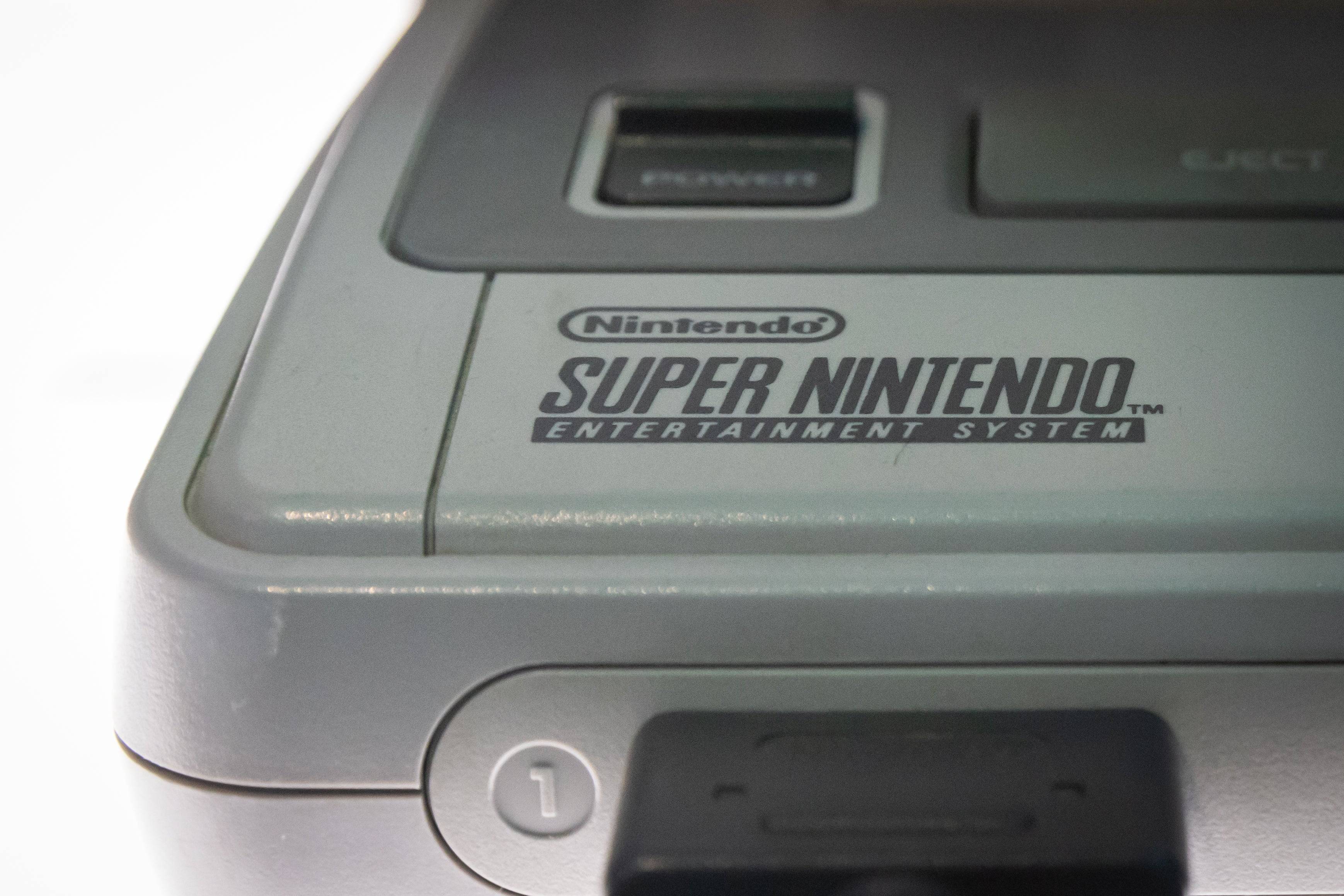
The speedrunning community is grappling with a curious technological phenomenon that suggests the Super Nintendo Entertainment System (SNES) may be running games faster as it ages. In early February, Alan Cecil, a Bluesky user known as @tas.bot, sparked discussions by claiming that the SNES is now processing games slightly faster than when it was first released in the 1990s. This intriguing theory implies that the nearly 50 million SNES units sold could be experiencing enhanced performance with iconic titles like Super Mario World, Super Metroid, and Star Fox, rather than deteriorating over time.
The notion that a video game console could become more efficient as it ages might seem far-fetched, but Cecil's research points to a specific component—the audio processing unit (APU) SPC700—as the potential catalyst for this unusual behavior. According to an interview with 404 Media, official Nintendo specifications indicate that the SPC700 has a digital signal processing (DSP) rate of 32,000Hz, controlled by a ceramic resonator operating at 24.576MHz. However, retro console enthusiasts have noted discrepancies, with recordings over the years showing variations in DSP rates influenced by environmental factors like temperature. This suggests that the SNES processes audio and communicates it to the CPU at rates different from those specified by Nintendo, subtly affecting game speed.
Cecil's curiosity was piqued when he observed even higher DSP rates than those previously documented. He asked SNES owners to contribute data, and the results from over 140 responses revealed a clear trend of increasing DSP rates over time. While earlier measurements averaged around 32,040Hz in 2007, Cecil's recent findings have pushed this average to 32,076Hz. Although temperature variations do influence DSP rates, they do not account for the significant increase observed. As Cecil noted in a follow-up Bluesky post, the average DSP rate across 143 responses was 32,076Hz, with a rise of 8Hz from cold to warm conditions, suggesting that temperature plays a less significant role than initially thought. The exact reasons behind this phenomenon and its impact on gameplay remain unclear.
While the idea of the SNES improving with age is fascinating, Cecil acknowledges the need for further research to understand the extent of this acceleration and its causes. Historical data from the console's first decade on the market is scarce, making it challenging to draw definitive conclusions. Nevertheless, the SNES is approaching its 35th anniversary with seemingly enhanced performance.
This development has stirred interest within the speedrunning community, as a faster SPC700 could theoretically reduce load times in specific game sections. However, even the most significant changes observed would likely only shave off less than a second from an average speedrun. The impact on different games and longer speedruns remains uncertain, and the community's research is still in its early stages. For now, the consensus is that speedrunners have little to worry about.
As Cecil continues to explore the inner workings of the SNES, the console is defying expectations by seemingly improving with age. For more insights into the SNES's legacy, you can explore its ranking among the best-selling consoles of all time.
Latest Articles

Mutants: Genesis Hits iOS, Android, Steam After Early Access
Clash Royale players finally get to witness the highly anticipated evolution of the Inferno Dragon. After nearly a decade without an upgrade, this fiery Legendary card receives a powerful transformation. The developers at Supercell teamed up with Fin
Pokemon GO Road Trip 2025 Details, Summer Pikachu Available
Experience Pokémon GO Road Trip Truck stops in the gameFind Wooloo, Phanpy, and Alolan Geodude in the wildSummer-style Pikachu makes a special appearanceIf today's new details don't get you excited for the Pokemon GO Road Trip 2025, nothing will. Thi

PlayStation Stars Shuts Down After 3 Years
Sony has announced the discontinuation of its PlayStation Stars loyalty program less than three years after its introduction.The rewards initiative stopped accepting new members today, with exiting participants unable to rejoin. Canceling membership
Mastering Cooking in Ragnarok X: Next Generation
Cooking in Ragnarok X: Next Generation is a dynamic system that enhances combat, resource gathering, and character progression. Preparing dishes grants temporary boosts, improving dungeon survivabilit
Poppy Playtime Chapter 4 Launches with Introductory Sale
Uncover new characters and a deeper backstoryNavigate the depths of the Playtime Co. factoryLimited-time introductory discount availableMob Entertainment has officially released Poppy Playtime Chapter 4, allowing you to dive into the next chilling ch
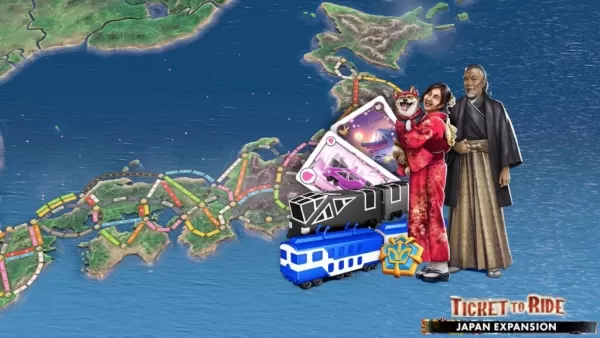
Japan Expansion for Ticket to Ride: Build the Bullet Train Network!
Ticket to Ride now lets you embark on a virtual train journey across Japan with its latest expansion. Marmalade Game Studio and Asmodee Entertainment have launched the Japan Expansion for their digital adaptation of the classic board game.
Help Build
Latest Games

Birds Coloring Games
Educational丨19.0 MB



Little Panda's Kids Coloring
Educational丨142.0 MB

Piano Kids - Music & Songs
Music丨65.5 MB

Royal Cat Puzzle
Puzzle丨128.4 MB
Sudoku Joy: Killer Sudoku
Puzzle丨94.5 MB

Donut Stack Sort
Puzzle丨126.8 MB

Merge Elves
Puzzle丨151.0 MB









Top News
MORE +

01
01-06
CDPR acknowledged weak gameplay in The Witcher 3
The Witcher 3, while critically acclaimed, wasn't without its flaws. Many fans felt the combat system fell short.
In a recent interview, Witcher 4's game director, Sebastian Kalemba, acknowledged weaknesses in the previous game's gameplay, specifically highlighting the need for significant improvem
02
01-07
BREAKING: Flight Simulator 2024 Login Woes Ground Players
Flight Simulator 2024 Launch Plagued by Technical Difficulties
The highly anticipated launch of Flight Simulator 2024 has been significantly hampered by widespread technical problems, leaving many players grounded before they could even take to the virtual skies. This article details the reported d
03
11-17
Hogwarts Legacy 2 is "One of the Biggest Priorities" for WB Games
Following the successful launch of Quidditch Champions this week, Warner Bros. Discovery has confirmed its plans for a sequel to last year's Harry Potter-based action RPG hit Hogwarts Legacy—2023's best-selling game.Hogwarts Legacy Sequel Plans Confirmed by Warner Bros. DiscoveryExpected in
04
11-16
Airplane Chefs Brings The Ultimate Snack, Pringles, On Board!
Buckle up for some snacks as Nordcurrent has just dropped an exciting event for their cooking game. It’s the most unexpected collab of Airplane Chefs and Pringles. If you’ve been enjoying your virtual life as a flight attendant, things are about to get a lot tastier.The game developer behind p
05
11-16
Play Together to collaborate with Sanrio and introduce new My Melody and Kuromi content
Play Together is bringing back its Sanrio collab with the appearance of My Melody and KuromiYou can collect coins by completing their themed missions that can then be used to draw exclusive itemsAs a bonus there's also new summer-themed content and events, including a major bug huntPlay Together, th
Topics
More +