"Cinderella Turns 75: The Tale of a Princess and Her Glass Slippers That Revived Disney"
Author : Isaac
Apr 23,2025
Just as Cinderella's dream was set to vanish at midnight, so too was The Walt Disney Company on the brink of financial collapse in 1947, burdened by a debt of approximately $4 million following the commercial failures of Pinocchio, Fantasia, and Bambi. These setbacks were exacerbated by World War II and other factors. However, it was the timeless tale of Cinderella and her iconic glass slippers that ultimately rescued Disney from an untimely end to its animation legacy.
As we celebrate the 75th anniversary of Cinderella's wide release on March 4, we've had the privilege of speaking with several Disney insiders who remain inspired by this classic rags-to-riches story. It's a narrative that echoes Walt Disney's own journey and not only revitalized the company but also offered hope to a post-war world seeking inspiration and belief.
The Right Film at the Right Time --------------------------------To understand the significance of Cinderella, we must revisit Disney's earlier triumph with Snow White and the Seven Dwarfs in 1937. The film's monumental success—it held the title of the highest-grossing film until Gone with the Wind surpassed it—enabled Disney to establish its Burbank studio, which remains its headquarters today, and paved the way for future animated feature films.
Disney's next venture, Pinocchio in 1940, came with a hefty budget of $2.6 million, significantly more than Snow White. Despite critical acclaim and winning Academy Awards for Best Original Score and Best Original Song, it resulted in a loss of about $1 million. Similarly, Fantasia and Bambi underperformed, adding to Disney's financial woes. A key factor in these failures was the outbreak of World War II, which disrupted Disney's European markets.
“Disney's European markets dried up during the war, and films like Pinocchio and Bambi couldn't be shown there,” explained Eric Goldberg, co-director of Pocahontas and lead animator on Aladdin's Genie. “The studio was then commandeered by the U.S. government to produce training and propaganda films. Throughout the 1940s, Disney shifted to creating 'Package Films' like Make Mine Music, Fun and Fancy Free, and Melody Time. These were well-made but lacked a cohesive narrative.”
For those unfamiliar, Package Films were compilations of short cartoons assembled into feature-length films. Disney produced six such films between Bambi in 1942 and Cinderella in 1950, including Saludos Amigos and The Three Caballeros, which were part of the U.S.'s Good Neighbor Policy to counter Nazism in South America. While these films managed to recoup their costs and reduced the studio's debt from $4.2 million to $3 million by 1947, they delayed Disney's return to full-length animated storytelling.
“I wanted to get back into the feature field,” Walt Disney reflected in 1956, as documented in Michael Barrier's book, The Animated Man: A Life of Walt Disney. “But it required significant investment and time. A good cartoon feature demands both. My brother Roy and I had heated discussions about it. It was one of my biggest upsets. We decided to either forge ahead or liquidate and sell out.”
Facing the possibility of selling his shares and leaving the company, Walt and Roy chose the riskier path, betting everything on Cinderella, their first major animated feature since Bambi. The outcome of this decision could have spelled the end of Disney's animation studio.
“At this time, Alice in Wonderland, Peter Pan, and Cinderella were all in development, but Cinderella was chosen first due to its similarities to Snow White,” said Tori Cranner, Art Collections Manager at Walt Disney Animation Research Library. “Walt recognized the post-war need for hope and joy. While Pinocchio is a remarkable film, it isn't joyful like Cinderella. The world needed to believe in the possibility of beauty emerging from the ashes, and Cinderella was the perfect story for that moment.”
Cinderella and Disney’s Rags to Riches Tale
Walt Disney's connection to Cinderella dates back to 1922 when he created a Cinderella short at Laugh-O-Gram Studios, the precursor to his collaboration with Roy to establish Disney. The short and later feature film were inspired by Charles Perrault’s 1697 version of the tale, which itself may trace back to ancient Greek stories. This classic narrative of good versus evil, true love, and dreams coming true resonated deeply with Walt.
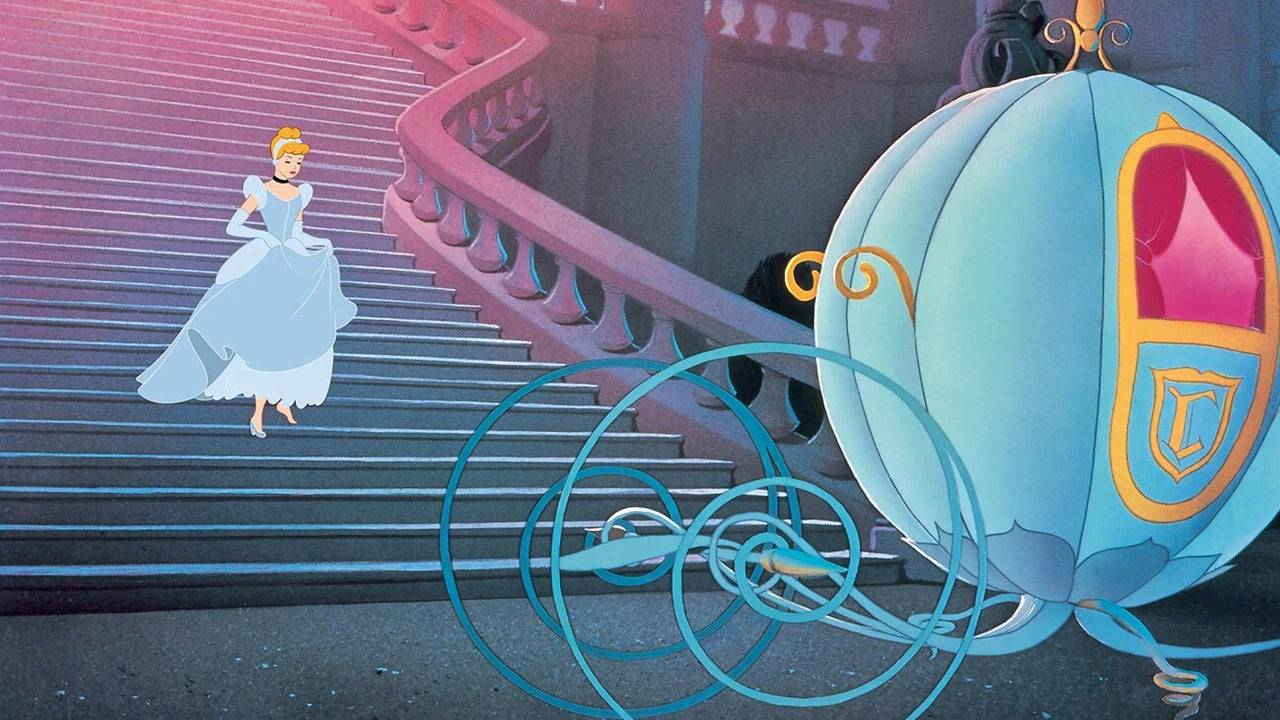
“Snow White was a kind and simple girl who believed in wishing and waiting for her Prince Charming,” Walt Disney noted in a special DVD feature, Cinderella: The Making of a Masterpiece. “Cinderella, however, was more practical. She believed in dreams but also in taking action. When Prince Charming didn't come to her, she went to the palace and found him.”
Despite not sharing Cinderella's family troubles, Walt's own journey was one of humble beginnings, marked by numerous failures and challenges, yet driven by an unyielding dream and work ethic. This story remained with Walt, influencing his efforts to revive it as a Silly Symphony short in 1933, which eventually evolved into a feature film over a decade later due to the war and other factors.
Disney's success with Cinderella can be attributed to its ability to enhance these timeless tales with universal appeal. “Disney took these age-old fairytales and added his own touch,” Goldberg explained. “He infused them with his taste, entertainment sense, heart, and passion, making the characters and stories more engaging than their original versions. These stories were often grim cautionary tales, but Disney made them enjoyable for all audiences, modernizing them to stand the test of time.”
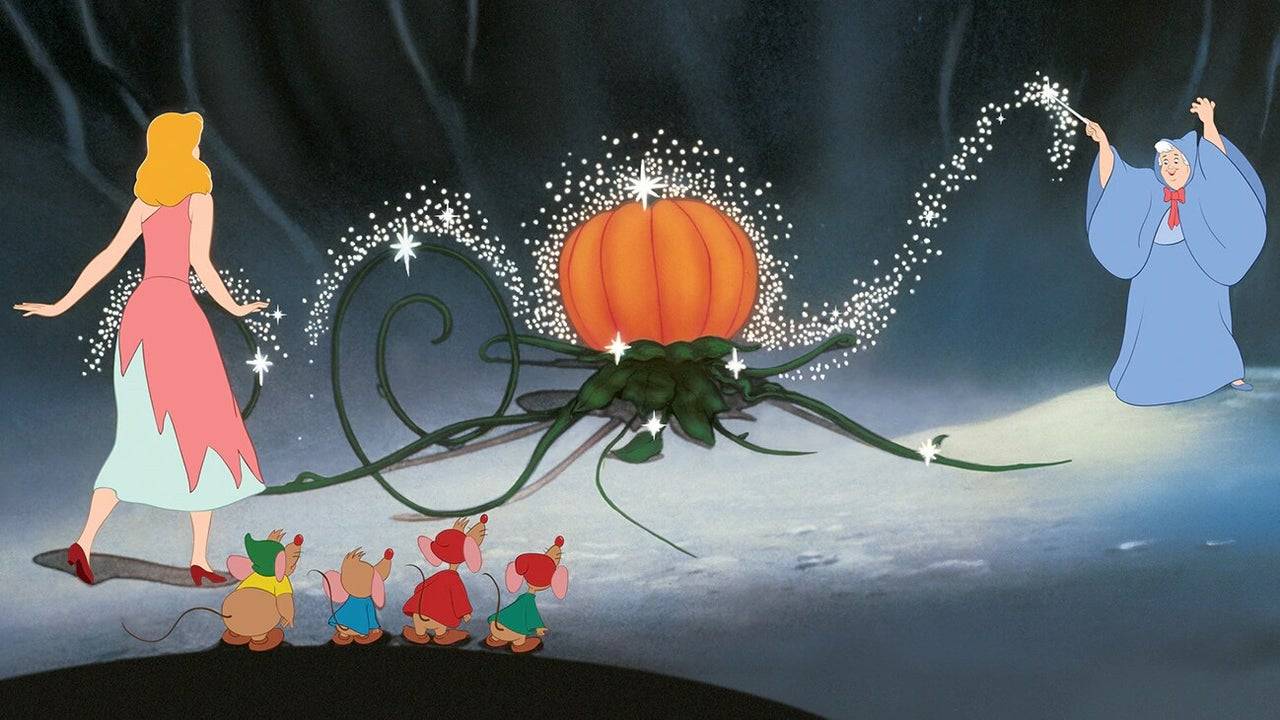
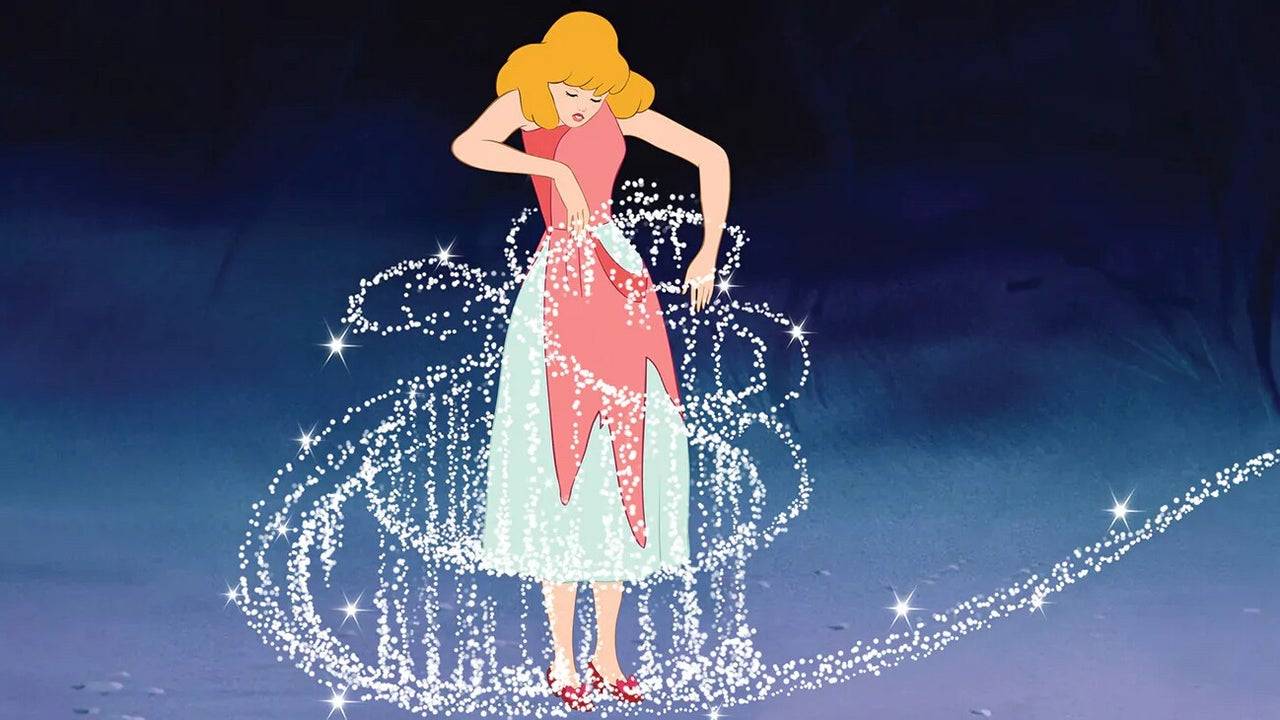
Cinderella's animal friends, including Jaq, Gus, and the birds, along with the comic relief provided by Lucifer the cat, allowed audiences to connect with her struggles and aspirations. The Fairy Godmother, reimagined as a more relatable, bumbling character by animator Milt Kahl, added warmth and charm. The iconic transformation scene, where Cinderella's belief in herself and her dreams culminates in a magical night, is a testament to the painstaking work of Disney Legends Marc Davis and George Rowley.
Thanks so much for all your questions about Cinderella! Before we sign off, enjoy this pencil test footage of original animation drawings of the transformation scene, animated by Marc Davis and George Rowley. Thanks for joining us! #AskDisneyAnimation pic.twitter.com/2LquCBHX6F
— Disney Animation (@DisneyAnimation) February 15, 2020
“Each sparkle in that scene was hand-drawn and hand-painted, which is mind-blowing,” Cranner remarked. “There's a subtle moment where the magic holds for just a fraction of a second before transforming Cinderella's dress. That pause adds to the scene's magic, like holding your breath before the release of wonder.”
The addition of the glass slipper breaking at the film's end was a Disney innovation, emphasizing Cinderella's agency and strength. “Cinderella isn't just a passive character,” Goldberg emphasized. “When the stepmother breaks the slipper, Cinderella reveals she has kept the other one, showcasing her resourcefulness and control over her destiny.”
Cinderella premiered in Boston on February 15, 1950, and was widely released on March 4 of that year. It was an immediate hit, earning $7 million on a $2.2 million budget, becoming the sixth-highest grossing film of 1950, and receiving three Academy Award nominations.
“When Cinderella was released, critics hailed it as a return to form for Walt Disney,” Goldberg noted. “It was a narrative triumph reminiscent of Snow White, and it re-energized the studio. Following Cinderella, Disney went on to create classics like Peter Pan, Lady and the Tramp, Sleeping Beauty, 101 Dalmatians, and The Jungle Book, all inspired by Cinderella's success.”
75 Years Later, Cinderella’s Magic Lives On
Today, Cinderella's influence continues to resonate within Disney and beyond. Her iconic castle graces Main Street, U.S.A. at Walt Disney World and Tokyo Disneyland, and her story inspires countless Disney films, including modern classics like Frozen.
“When animating Elsa's dress transformation in Frozen, we drew direct inspiration from Cinderella,” said Becky Bresee, lead animator on Frozen 2 and Wish. “The sparkles and effects echo Cinderella's magic, honoring the legacy of earlier Disney films.”
The contributions of Disney's Nine Old Men and Mary Blair, whose distinctive artwork shaped Cinderella's visual style, are also worth noting. As we reflect on this beloved film, Eric Goldberg sums up its enduring impact: “Cinderella is about hope. It shows that perseverance and strength can lead to dreams coming true, no matter the era.”
Latest Articles

Mutants: Genesis Hits iOS, Android, Steam After Early Access
Clash Royale players finally get to witness the highly anticipated evolution of the Inferno Dragon. After nearly a decade without an upgrade, this fiery Legendary card receives a powerful transformation. The developers at Supercell teamed up with Fin
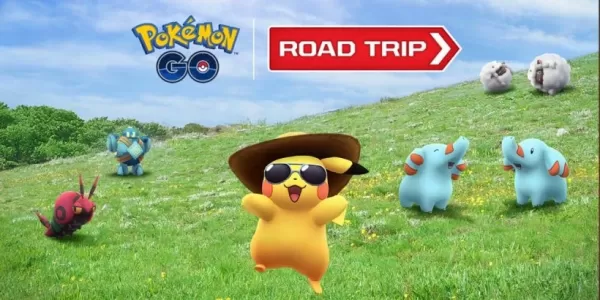
Pokemon GO Road Trip 2025 Details, Summer Pikachu Available
Experience Pokémon GO Road Trip Truck stops in the gameFind Wooloo, Phanpy, and Alolan Geodude in the wildSummer-style Pikachu makes a special appearanceIf today's new details don't get you excited for the Pokemon GO Road Trip 2025, nothing will. Thi

PlayStation Stars Shuts Down After 3 Years
Sony has announced the discontinuation of its PlayStation Stars loyalty program less than three years after its introduction.The rewards initiative stopped accepting new members today, with exiting participants unable to rejoin. Canceling membership

Mastering Cooking in Ragnarok X: Next Generation
Cooking in Ragnarok X: Next Generation is a dynamic system that enhances combat, resource gathering, and character progression. Preparing dishes grants temporary boosts, improving dungeon survivabilit
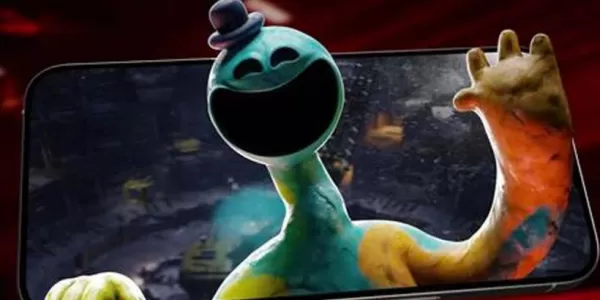
Poppy Playtime Chapter 4 Launches with Introductory Sale
Uncover new characters and a deeper backstoryNavigate the depths of the Playtime Co. factoryLimited-time introductory discount availableMob Entertainment has officially released Poppy Playtime Chapter 4, allowing you to dive into the next chilling ch
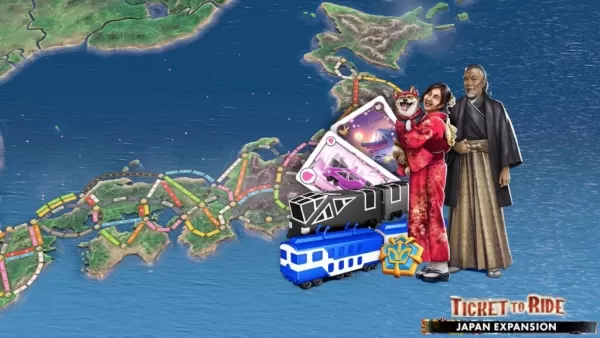
Japan Expansion for Ticket to Ride: Build the Bullet Train Network!
Ticket to Ride now lets you embark on a virtual train journey across Japan with its latest expansion. Marmalade Game Studio and Asmodee Entertainment have launched the Japan Expansion for their digital adaptation of the classic board game.
Help Build
Latest Games

Math Games
Educational丨15.8 MB
Baby Panda's Town: My Dream
Educational丨129.4 MB
Cores
Educational丨13.9 MB

Birds Coloring Games
Educational丨19.0 MB

Little Panda's Kids Coloring
Educational丨142.0 MB

Piano Kids - Music & Songs
Music丨65.5 MB
Royal Cat Puzzle
Puzzle丨128.4 MB









Top News
MORE +
01
01-06
CDPR acknowledged weak gameplay in The Witcher 3
The Witcher 3, while critically acclaimed, wasn't without its flaws. Many fans felt the combat system fell short.
In a recent interview, Witcher 4's game director, Sebastian Kalemba, acknowledged weaknesses in the previous game's gameplay, specifically highlighting the need for significant improvem
02
01-07
BREAKING: Flight Simulator 2024 Login Woes Ground Players
Flight Simulator 2024 Launch Plagued by Technical Difficulties
The highly anticipated launch of Flight Simulator 2024 has been significantly hampered by widespread technical problems, leaving many players grounded before they could even take to the virtual skies. This article details the reported d
03
11-17
Hogwarts Legacy 2 is "One of the Biggest Priorities" for WB Games
Following the successful launch of Quidditch Champions this week, Warner Bros. Discovery has confirmed its plans for a sequel to last year's Harry Potter-based action RPG hit Hogwarts Legacy—2023's best-selling game.Hogwarts Legacy Sequel Plans Confirmed by Warner Bros. DiscoveryExpected in
04
11-16
Airplane Chefs Brings The Ultimate Snack, Pringles, On Board!
Buckle up for some snacks as Nordcurrent has just dropped an exciting event for their cooking game. It’s the most unexpected collab of Airplane Chefs and Pringles. If you’ve been enjoying your virtual life as a flight attendant, things are about to get a lot tastier.The game developer behind p
05
11-16
Play Together to collaborate with Sanrio and introduce new My Melody and Kuromi content
Play Together is bringing back its Sanrio collab with the appearance of My Melody and KuromiYou can collect coins by completing their themed missions that can then be used to draw exclusive itemsAs a bonus there's also new summer-themed content and events, including a major bug huntPlay Together, th
Topics
More +