Capcom Was on Its Knees After Resident Evil 6, Now Monster Hunter Wilds Cements Its Golden Era — Here's How It Did It
Author : Zoe
Mar 17,2025
With Monster Hunter Rise shattering Steam records and Resident Evil enjoying unprecedented popularity thanks to Village and several stellar remakes, Capcom appears virtually unstoppable. However, this wasn't always the case. Less than a decade ago, a string of critical and commercial failures left the company teetering on the brink, lost both in its identity and its audience.
Capcom suffered a profound identity crisis. Resident Evil, the progenitor of survival horror, lost its edge after Resident Evil 4. Another flagship franchise, Street Fighter, faltered after the poorly-received Street Fighter 5. The end seemed imminent for Capcom and its beloved games.
Yet, from the depths of this crisis emerged a glimmer of hope. A strategic shift in game development, coupled with a powerful new game engine, revitalized these cherished franchises, sparking years of critical acclaim and financial success that propelled Capcom back to the top.
Resident Evil Lost Its Way
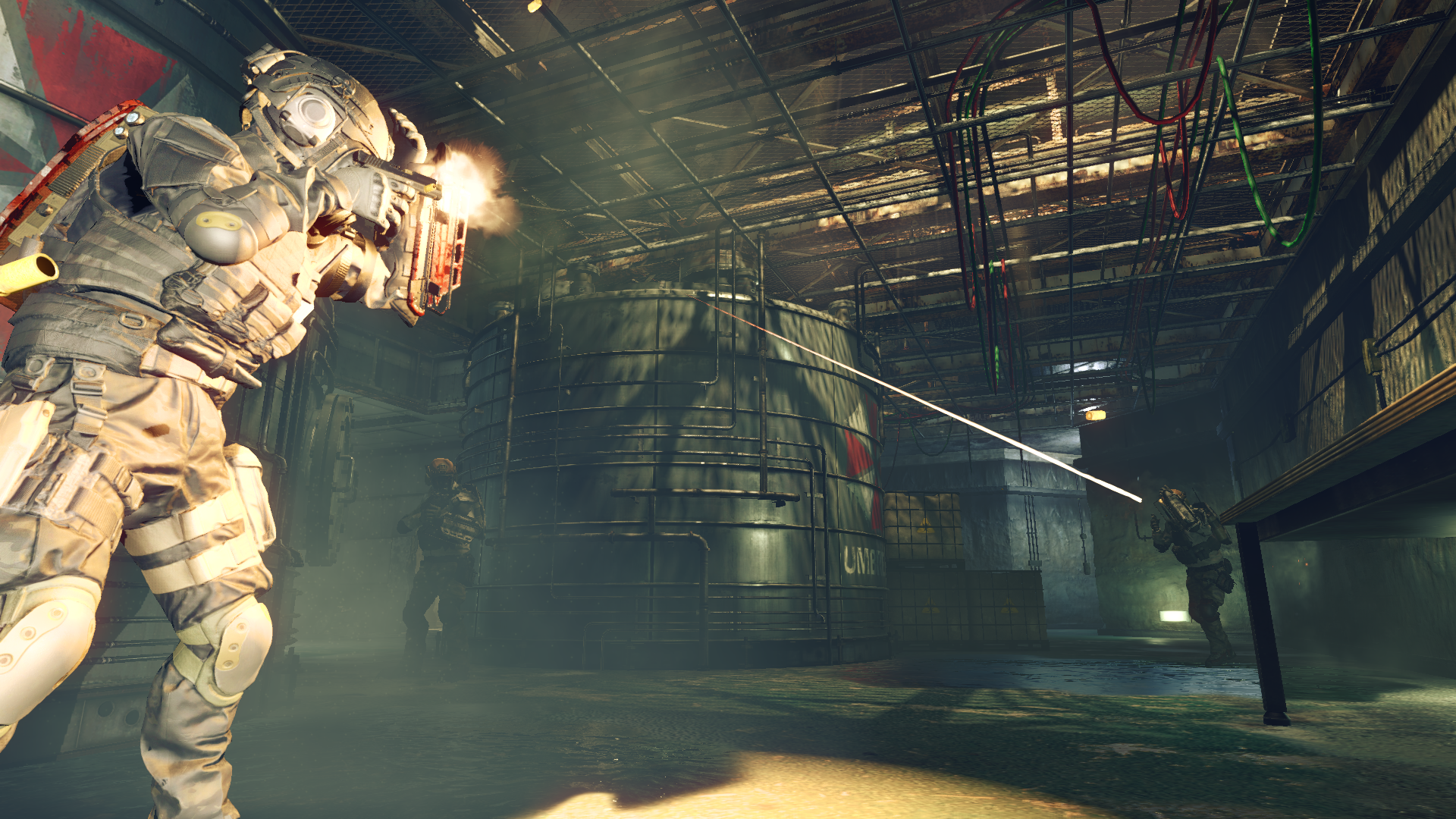
2016 proved a particularly challenging year. Umbrella Corps, the year's major Resident Evil release, a co-op online shooter, was met with harsh criticism from both reviewers and fans. Street Fighter 5 similarly disappointed longtime fans, falling far short of the brilliance of its predecessor, Street Fighter 4. And Dead Rising 4, despite the return of fan-favorite Frank West, marked the end of the series' new entries.
This marked the nadir of a string of forgettable years for Capcom, stretching back to 2010. Mainline Resident Evil games, while selling well, received increasingly negative reviews. Street Fighter struggled after a poorly-received installment, and core franchises like Devil May Cry were largely absent. Meanwhile, Monster Hunter, while hugely popular in Japan, struggled to gain significant traction in international markets.
This contrasts sharply with the Capcom we know today. Since 2017, Capcom has consistently delivered hit after hit, achieving both commercial and critical success across its most famous franchises. This impressive run includes Monster Hunter: World, Devil May Cry 5, Street Fighter 6, and a trio of industry-leading remakes, along with an acclaimed Resident Evil soft reboot. Capcom's recent history is defined by an almost unbroken string of successes.
This resurgence wasn't merely a matter of learning from past mistakes. Capcom underwent a complete strategic overhaul, from target audience to technology, to achieve this remarkable turnaround. To understand this transformation, IGN spoke with four of Capcom's leading creative minds to uncover the story of how one of gaming's giants stumbled, fell, and rose stronger than ever.
Founded in 1979 as a manufacturer of electronic game machines, Capcom rose to prominence in the 80s and 90s with 2D classics like Street Fighter and Mega Man, before successfully transitioning to 3D with titles such as Resident Evil. Between 2000 and 2010, Capcom successfully modernized many of its iconic franchises, culminating in the creation of one of the greatest games of all time: Resident Evil 4.
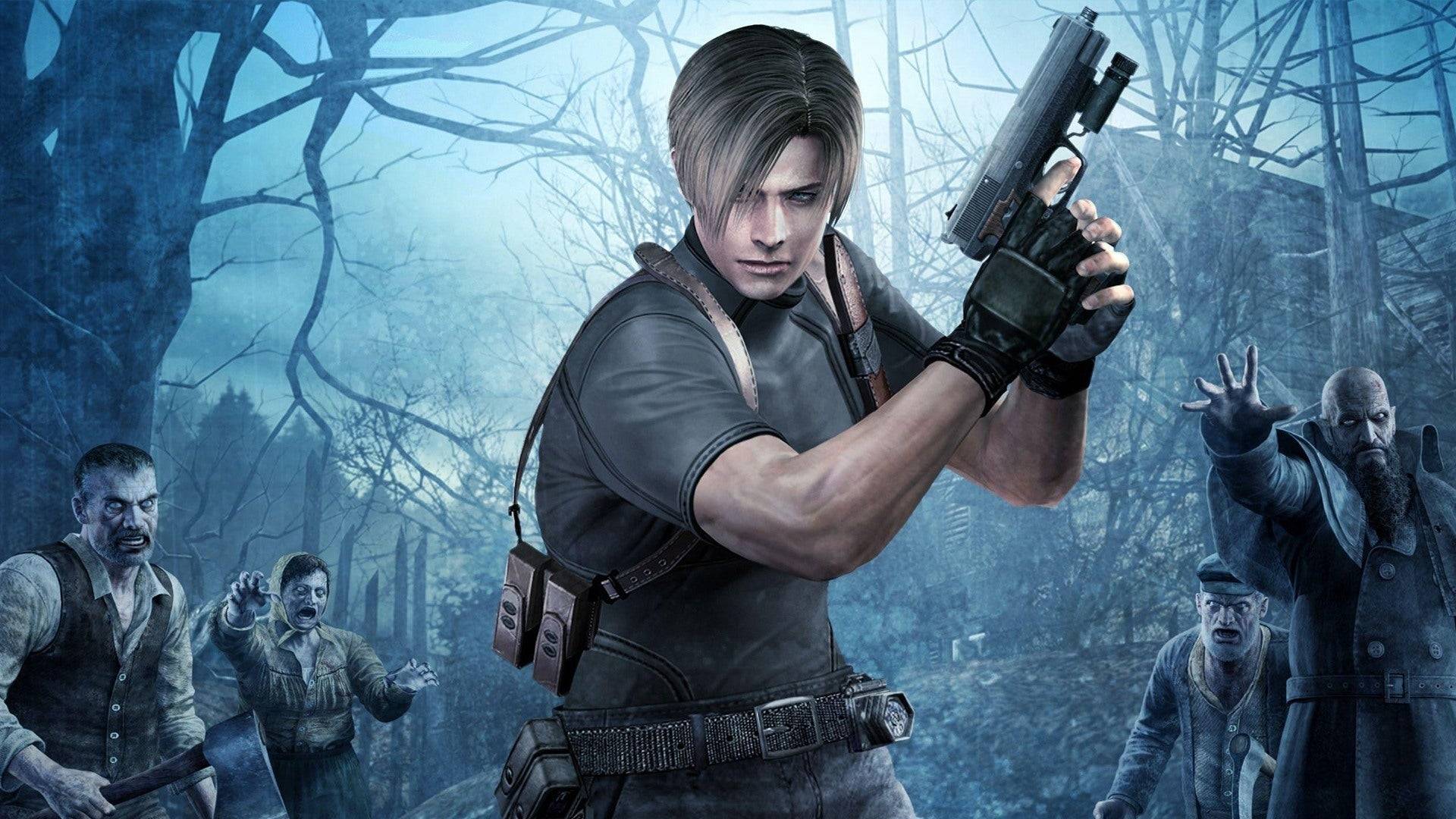
Released in 2005, Resident Evil 4 is widely regarded as a generational high point, masterfully blending horror and action. However, this blend dramatically altered the course of the Resident Evil franchise. While fundamentally a horror game, inspired by works like Friday the 13th and H.P. Lovecraft, Resident Evil 4 also incorporated significant action elements. This balance, unfortunately, was lost in subsequent installments.
In 2009's Resident Evil 5, Chris Redfield punches a boulder the size of a car, and infected enemies are gunned down in a car chase more reminiscent of Fast and Furious than a horror film. The series' identity was eroding, a fact apparent to both players and developers, including Resident Evil 4 remake director Yasuhiro Ampo, a Capcom veteran since 1996.
"Throughout the Resident Evil series, we've set different goals and challenges for each game," Ampo explains. "But this time, many of us felt a disconnect between what fans wanted and what we were creating."
This lack of direction resulted in games like 2012's Resident Evil 6, which attempted to cater to both action and horror fans simultaneously. The game's fragmented narrative, spread across six playable characters and three storylines, failed to achieve the crucial balance, ultimately dissatisfying both audiences. Online fan disappointment was palpable, as developers continued experimenting with online co-op spin-offs.
This decline wasn't limited to Resident Evil. Following the success of Street Fighter 4, Capcom again struggled to maintain momentum. Street Fighter 4's unique art style and compelling cast of characters made it an instant hit, dominating fighting game tournaments and college dorm rooms. However, Street Fighter 5 (2016) was criticized for its lack of single-player content and poor online functionality. Fans pointed to a lack of polish and a confusing approach to balance, resulting in a frustrating overall experience.
The struggles extended beyond Street Fighter and Resident Evil. Almost every major franchise faltered. Devil May Cry, the popular heavy-metal action series, saw diminishing returns, leading Capcom to outsource 2013's DmC: Devil May Cry to Ninja Theory. While achieving cult status, DmC's reimagining of the series' mythology, redesigned protagonist, and sluggish frame rate angered fans, leading to the series being shelved.
This period defined Capcom's early to mid-2010s. Key franchises struggled to replicate past successes, while others were put on indefinite hold. New titles aimed at the Western market, such as Lost Planet and Asura's Wrath, also failed to resonate. While there were exceptions, like Dragon's Dogma, Capcom's overall direction felt scattered and unfocused. Change was clearly needed.
Street Fighter 5, The Lost Cause
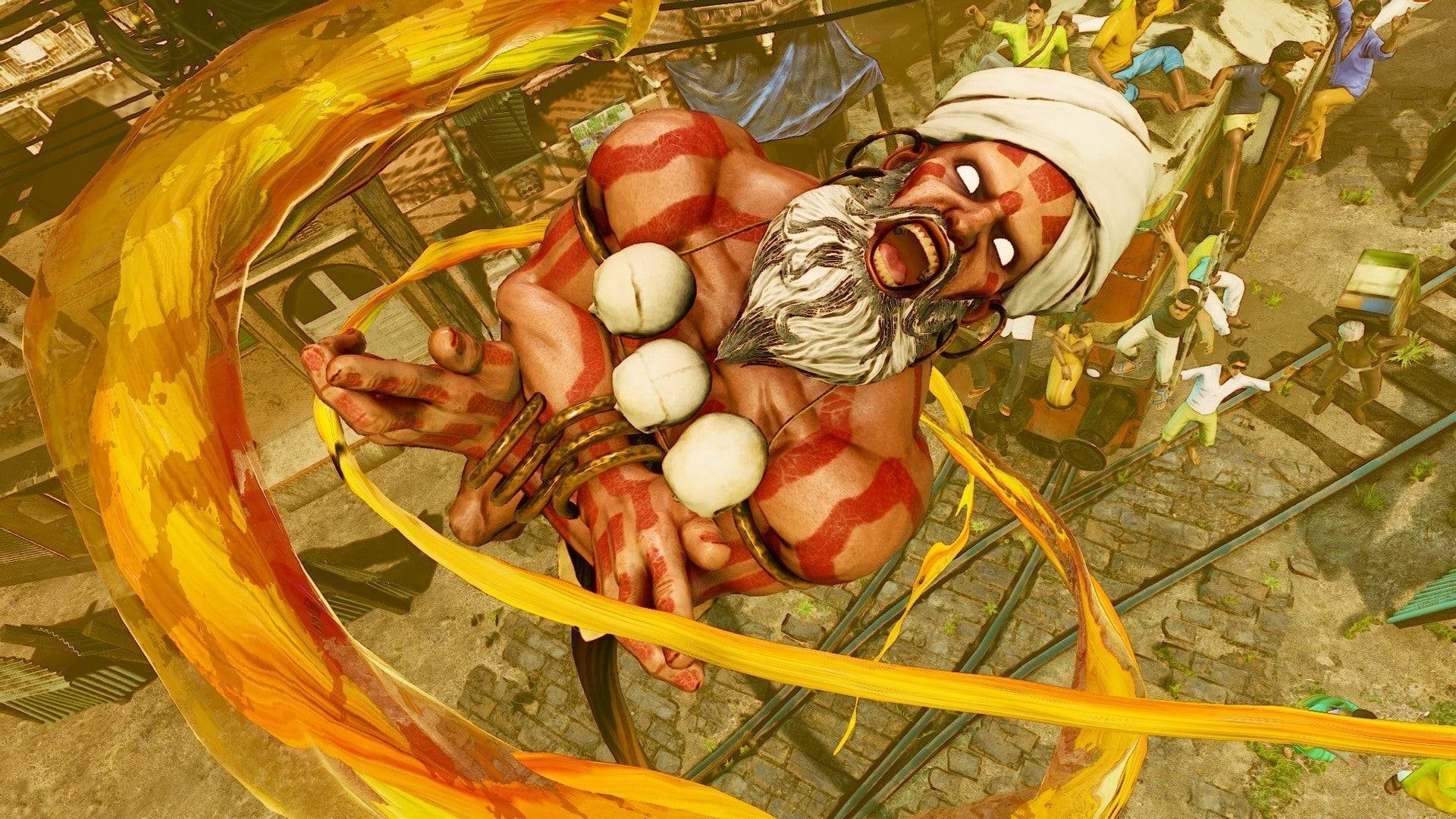
By the mid-2010s, Capcom implemented several strategic changes that would ultimately transform the company's fortunes. The first step involved addressing existing issues, starting with Street Fighter 5. Director Takayuki Nakayama and producer Shuhei Matsumoto were brought in to stabilize the troubled game.
While not involved from the outset, Nakayama and Matsumoto inherited a game in dire need of repair to regain fan trust. "There were production challenges," Nakayama admits, "and we couldn't make major pivots, which limited our options."
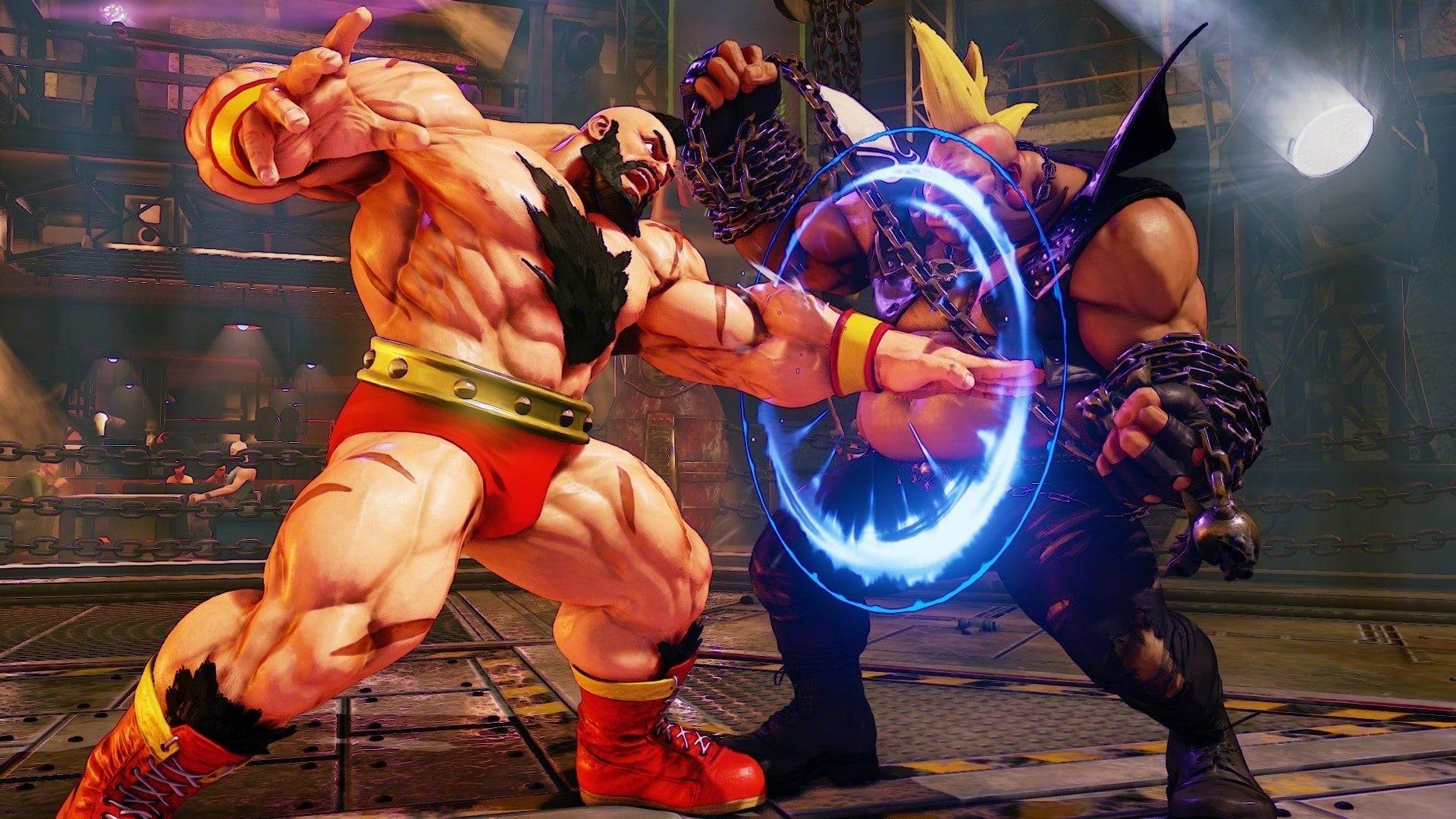
These constraints severely hampered their efforts. Instead of a complete overhaul, Nakayama focused on fixing pressing issues, delaying more significant changes until Street Fighter 6. "We lacked the time to address problems in Street Fighter 5," Nakayama explains. "We had to wait for Street Fighter 6 to properly implement those ideas."
The decision to continue development on Street Fighter 5 instead of immediately starting a sequel was deliberate. "There was no thought of ending Street Fighter 5 and focusing solely on Street Fighter 6," Matsumoto clarifies. "We used Street Fighter 5's development as an ongoing process to inform Street Fighter 6's direction."
Street Fighter 5 became a testing ground for new ideas, informing several key changes in Street Fighter 6. Updates included improved netcode, character rebalances, new characters, V-Triggers, and new mechanics like V-Shift. The goal was not just to make the game acceptable, but to rediscover the fun.
"Fighting games are fun, and mastering them becomes increasingly enjoyable," Matsumoto says. "But Street Fighter 5 lacked a clear path to that point of enjoyment."
Previous attempts to make Street Fighter more approachable by lowering the difficulty alienated longtime fans. Street Fighter 6 aimed to expand tools for new players while retaining features appreciated by experienced players. By using Street Fighter 5 as a learning experience, Street Fighter 6 (2023) launched to widespread critical acclaim.
To prevent repeating past mistakes, Capcom implemented significant behind-the-scenes changes.
Monster Hunter Took Over The World
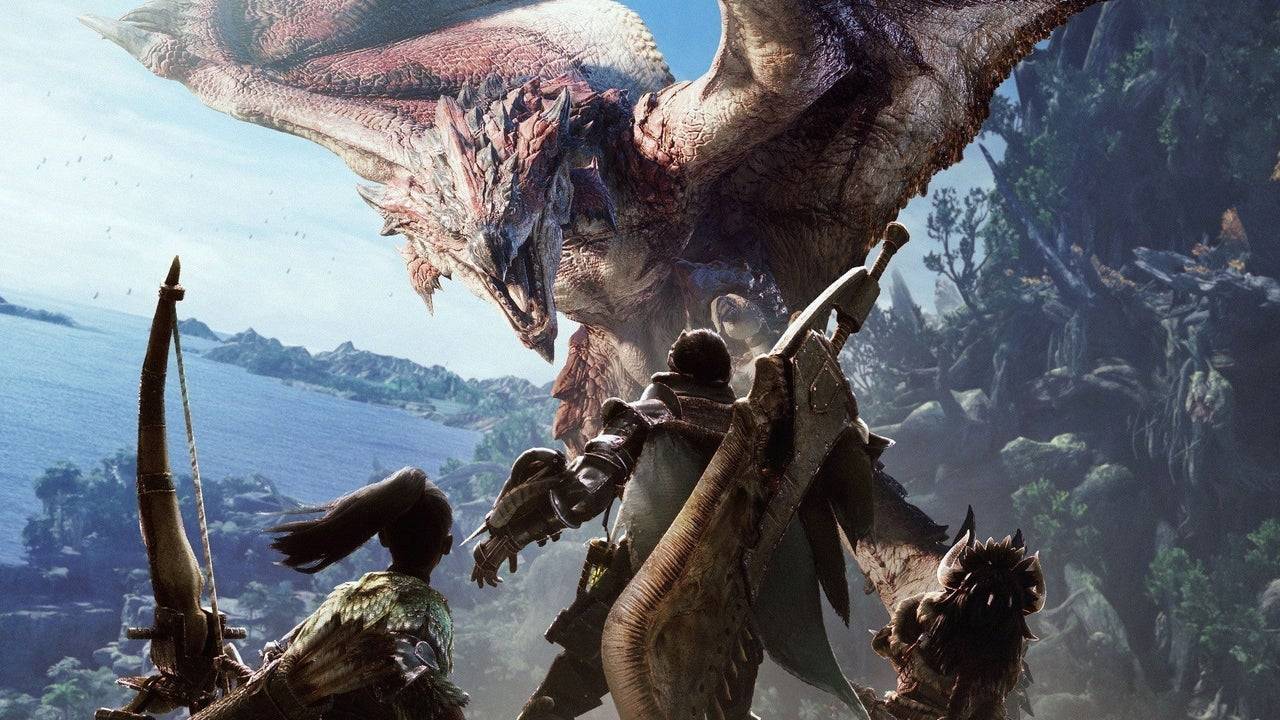
Around the time of Street Fighter 5's release, Capcom underwent an internal reorganization in preparation for a new generation of games powered by the RE Engine, replacing the aging MT Framework. This change extended beyond technology; Capcom aimed to create games for a global audience, not just specific regions.
"Several factors converged," says Hideaki Itsuno, known for his work on Devil May Cry. "The engine change and a clear goal to create globally appealing games."
Capcom's previous approach, particularly during the PS3/Xbox 360 era, focused heavily on the Western market, often chasing trends without success. This changed; the focus became creating universally appealing games.
"We focused on making good games that would reach people worldwide," Itsuno emphasizes.
The period leading up to 2017 proved pivotal. Resident Evil 7's release marked the start of Capcom's resurgence.
No franchise better exemplifies this global strategy than Monster Hunter. While it had a dedicated Western fanbase, it was significantly more popular in Japan. This wasn't intentional; several factors contributed.
Monster Hunter's success on the PSP in Japan was significant. The strong handheld market in Japan, coupled with the ease of local multiplayer on handheld consoles, allowed for easy play with friends without internet access, something crucial for the cooperative nature of the game.
"Twenty years ago, network connections weren't easy in Japan," explains Ryozo Tsujimoto, executive producer of the Monster Hunter series. "Handhelds made multiplayer easy, allowing players to enjoy the game even without internet access."
This led to a cycle: Monster Hunter's success in Japan resulted in Japan-focused content, reinforcing its image as a primarily Japanese franchise.
However, with improved internet infrastructure and online gaming becoming the norm in the West, Tsujimoto saw an opportunity. Monster Hunter: World (2018), released simultaneously worldwide on PS4, Xbox One, and PC, represented a significant shift. It delivered AAA console quality, with improved graphics, larger areas, and bigger monsters.
"Calling it Monster Hunter: World was a nod to our desire to appeal to a worldwide audience," Tsujimoto explains. "We aimed for global standards and simultaneous worldwide release."
Monster Hunter: World also incorporated changes based on global player feedback, such as displaying damage numbers. These tweaks amplified the game's success, with Monster Hunter: World and Monster Hunter Rise both exceeding 20 million copies sold, surpassing previous sales figures by a significant margin.
"Monster Hunter is an action game; the sense of accomplishment from mastering the action is key," Tsujimoto says. "But for new players, we focus on guiding them to that point, analyzing where they get stuck and incorporating feedback into new systems."
Resident Evil 7 Began Turning Things Around
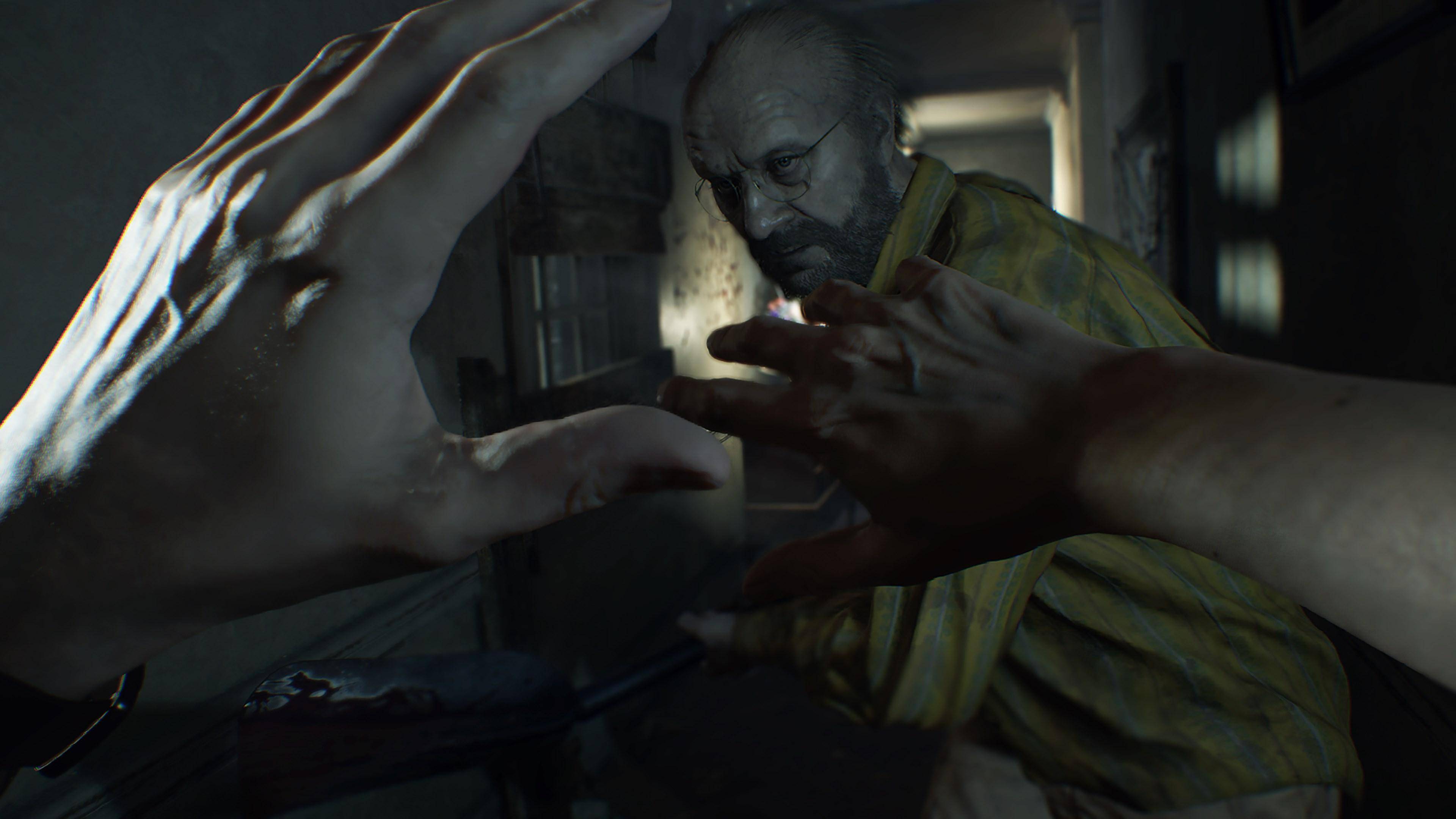
Monster Hunter's success provided a template, but applying this to other franchises required careful consideration. For Resident Evil, the decision was made to prioritize survival horror over action. Jun Takeuchi, executive producer of the Resident Evil series, played a crucial role.
"Around the time of Resident Evil Revelations 1 and 2, I was experimenting with different approaches," recalls Yasuhiro Ampo. "Jun Takeuchi set the direction to return to the series' roots, focusing on survival horror."
Resident Evil 7's announcement at E3 2016, with its first-person perspective and moody trailer, generated significant excitement. The shift to first-person, while initially questioned, restored the series' horror elements.
"Takeuchi emphasized the importance of making the game scary and focusing on survival," Ampo says. "Resident Evil 7 would return to its origins."
The game was a success, albeit not on the level of Resident Evil 4, marking a return to survival horror. Its unsettling atmosphere made it one of the scariest games in the series.
However, Capcom didn't abandon the third-person perspective. While new mainline titles remained first-person, the company opted for third-person remakes, starting with Resident Evil 2. The decision was driven by fan demand and numerous fan projects.
"People really wanted this," Ampo explains. "Producer Yoshiaki Hirabayashi's slogan was, 'We'll do it.'"
The Resident Evil 2 remake proved a massive success, blending horror, action, and puzzles. It became the second best-selling Resident Evil game.
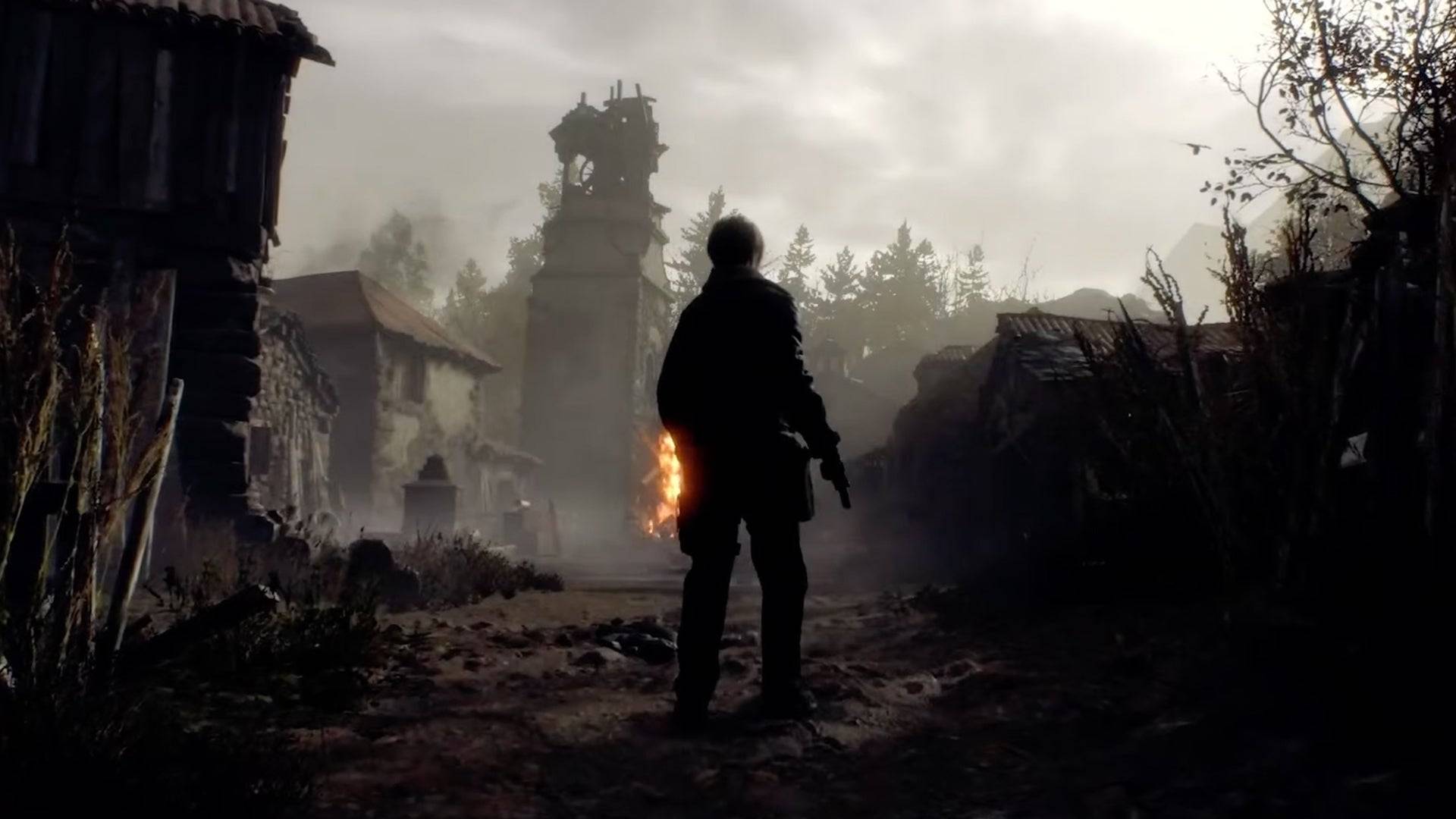
The success continued with Resident Evil 3 and, surprisingly, Resident Evil 4. The decision to remake Resident Evil 4, a beloved and relatively modern game, was met with internal hesitation.
"Resident Evil 4 is so beloved," Ampo admits. "If we got anything wrong, people would be vocal."
Despite this, the remake was completed and proved another hit, refining the action-horror balance and returning to the series' survival horror roots. The remake's moodier tone, while retaining action elements, was well-received.
Concurrently, Hideaki Itsuno, director of Devil May Cry, had a similar epiphany. Observing a trend towards more casual action games, he aimed to create a challenging, stylish action game using Capcom's powerful RE Engine.
The Reason Behind The Change
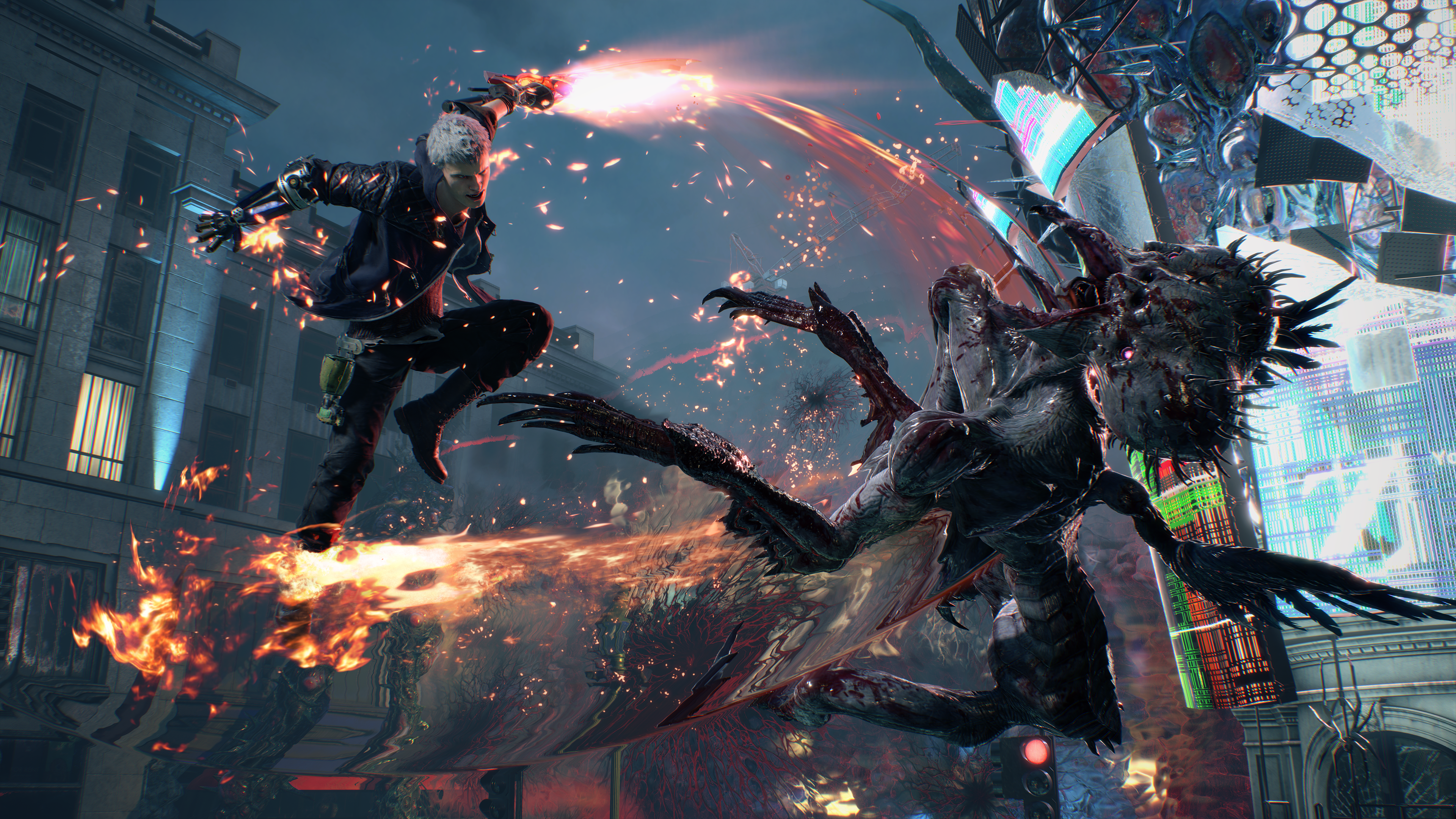
"I felt the action game trend was becoming too kind to players," Itsuno admits. "Lending too much of a hand."
Itsuno's return to Devil May Cry after a long hiatus, coupled with the RE Engine's capabilities, allowed for a significant increase in visual fidelity and stylistic elements.
"Devil May Cry is about being cool," Itsuno says. "I've always tried to distill everything I consider cool into the game."
A New Capcom Golden Age
Since 2017, Capcom has consistently delivered high-quality games. The company's focus on creating globally appealing games, utilizing the advanced RE Engine, has resulted in unprecedented success. Capcom seamlessly transitions between various genres without sacrificing quality.
This global focus hasn't diluted the series' identities; instead, it has expanded their reach while maintaining their core elements. Capcom's success contrasts with many contemporaries struggling to find consistency.
When asked about this new golden age, Capcom's directors expressed excitement and a commitment to maintaining this success.
Latest Articles
Goblin Valley: Cozy Home Game Opens Pre-Registration
Build and expand your thriving goblin farm villageInteract with quirky goblins, each with unique personalitiesMonitor and fulfill your goblin residents' needsUnimob Global has recently launched pre-registrations for Idle Goblin Valley: Chill Farm, of
Heartopia is kicking off its first closed beta test next month
The initial CBT runs from November 4th through the 18thEngage in hobbies such as fishing, birdwatching, and cookingAdopt pets, customize your home interior, and design unique outfitsHeartopia, XD Games’ highly anticipated life simulation title announ
Summoners War set to host collaboration with the iconic fantasy book series The Lord of the Rings
Summoners War: Sky Arena has teamed up with none other than The Lord of the Rings.
Set to launch later this month, the collaboration brings iconic characters from the Fellowship and beyond into the game.
The Lord of the Rings needs no introduction—it
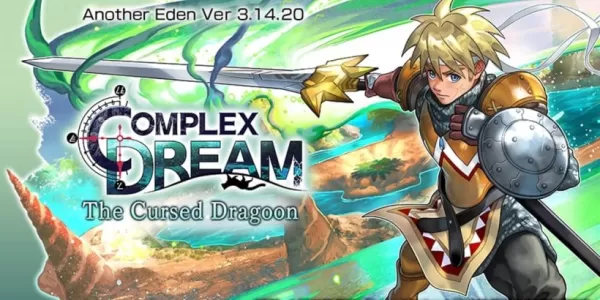
Another Eden expands its Chrono Cross collaboration content with Glenn and new story
Another Eden is introducing fresh content to its existing Chrono Cross collaboration materialThe release includes a beloved character named Glenn from The Cursed DragoonA new character and upcoming events are also being added to honor Japan Cat DayAl

The $13 FrSara Portable Neck Fan Is an Inexpensive Solution to Beating the Summer Heat
Summer has arrived, and neck fans are seeing a surge in popularity. These portable fans offer a simple, effective, and affordable way to stay cool and comfortable. Amazon is currently offering 50% off the FrSara Rechargeable Portable Neck Fan with th
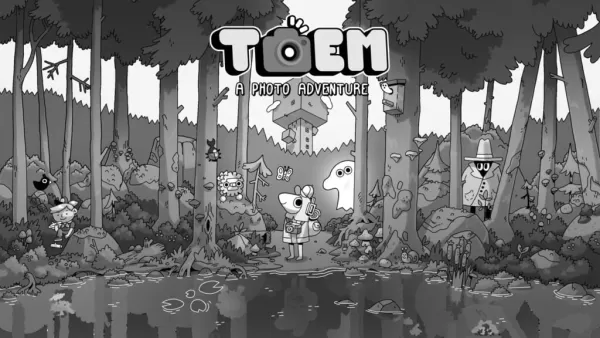
Hand-Drawn Photography Adventure Game TOEM Opens Pre-Registration on Mobile
BAFTA-winning title TOEM: A Photo Adventure arrives on mobile devices worldwide.
Developed by Swedish indie studio Something We Made, pre-registration for TOEM is now available on Android. The official release date is set for October 22nd.
Fun fact:
Latest Games
Chiron Bugatti Supercar Extra
Racing丨96.6 MB
Lada 2110 Special Unit Race
Racing丨124.3 MB

المهجول: هجولة ودرفت
Racing丨468.3 MB

Arclight City
Role Playing丨8.2 MB

Temple of Endless Night
Role Playing丨10.8 MB
BattleMass
Role Playing丨113.2 MB










Top News
MORE +

01
01-06
CDPR acknowledged weak gameplay in The Witcher 3
The Witcher 3, while critically acclaimed, wasn't without its flaws. Many fans felt the combat system fell short.
In a recent interview, Witcher 4's game director, Sebastian Kalemba, acknowledged weaknesses in the previous game's gameplay, specifically highlighting the need for significant improvem
02
01-07
BREAKING: Flight Simulator 2024 Login Woes Ground Players
Flight Simulator 2024 Launch Plagued by Technical Difficulties
The highly anticipated launch of Flight Simulator 2024 has been significantly hampered by widespread technical problems, leaving many players grounded before they could even take to the virtual skies. This article details the reported d
03
11-17
Hogwarts Legacy 2 is "One of the Biggest Priorities" for WB Games
Following the successful launch of Quidditch Champions this week, Warner Bros. Discovery has confirmed its plans for a sequel to last year's Harry Potter-based action RPG hit Hogwarts Legacy—2023's best-selling game.Hogwarts Legacy Sequel Plans Confirmed by Warner Bros. DiscoveryExpected in
04
11-16
Airplane Chefs Brings The Ultimate Snack, Pringles, On Board!
Buckle up for some snacks as Nordcurrent has just dropped an exciting event for their cooking game. It’s the most unexpected collab of Airplane Chefs and Pringles. If you’ve been enjoying your virtual life as a flight attendant, things are about to get a lot tastier.The game developer behind p
05
11-16
Play Together to collaborate with Sanrio and introduce new My Melody and Kuromi content
Play Together is bringing back its Sanrio collab with the appearance of My Melody and KuromiYou can collect coins by completing their themed missions that can then be used to draw exclusive itemsAs a bonus there's also new summer-themed content and events, including a major bug huntPlay Together, th
Topics
More +