Blades of Fire: The First Preview
Author : Amelia
Mar 16,2025
My hands-on time with MercurySteam's Blades of Fire began with expectations of a Castlevania: Lords of Shadow revival, modernized with a God of War sheen. An hour in, it felt like a Soulslike, albeit one where weapon stats, not character sheets, dictated power. Three hours later, I realized both impressions were partially true, partially false. Blades of Fire undeniably draws from familiar territory, yet its unique blend of borrowed mechanics and fresh ideas creates a surprisingly distinct action-adventure experience.
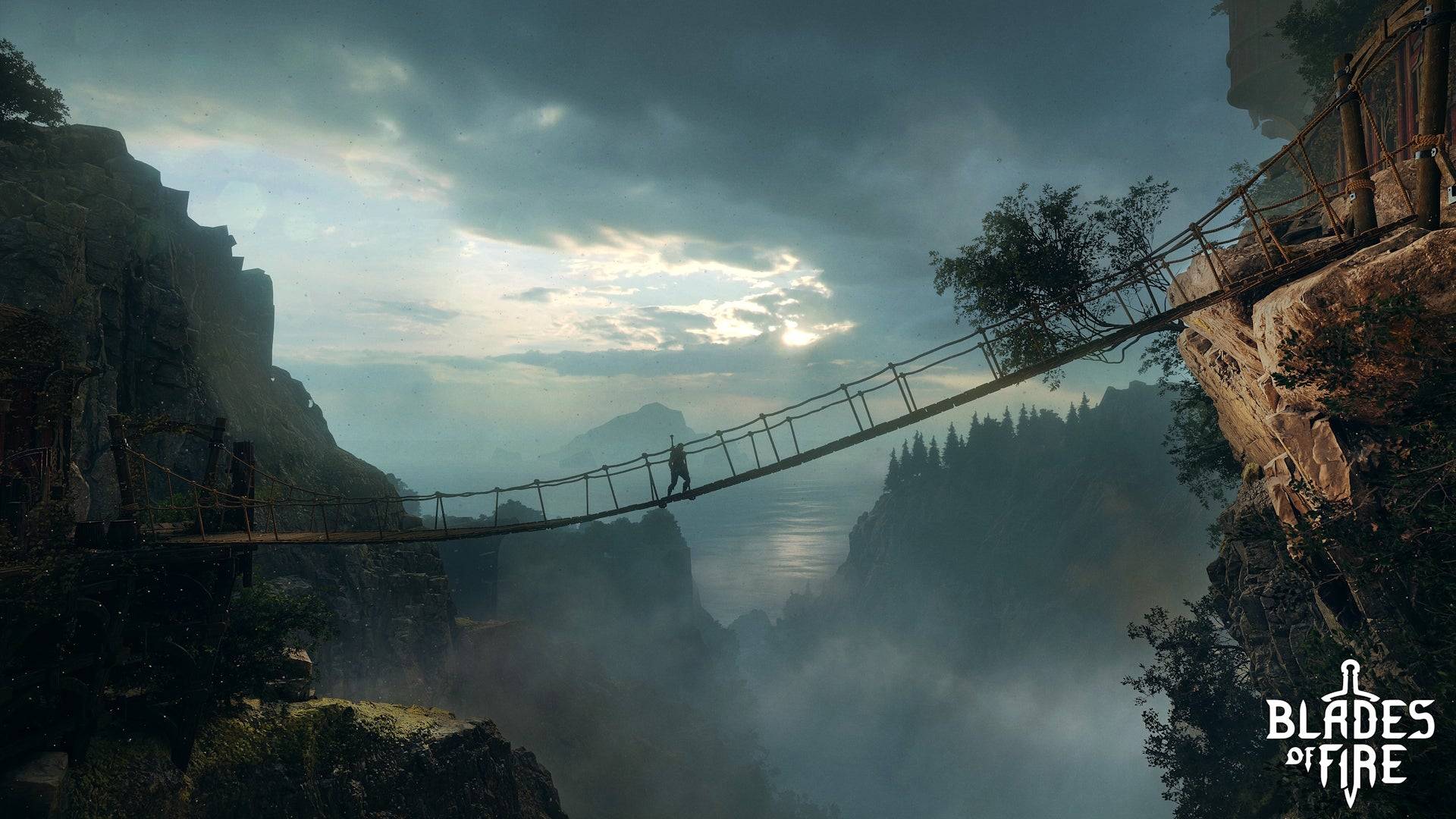
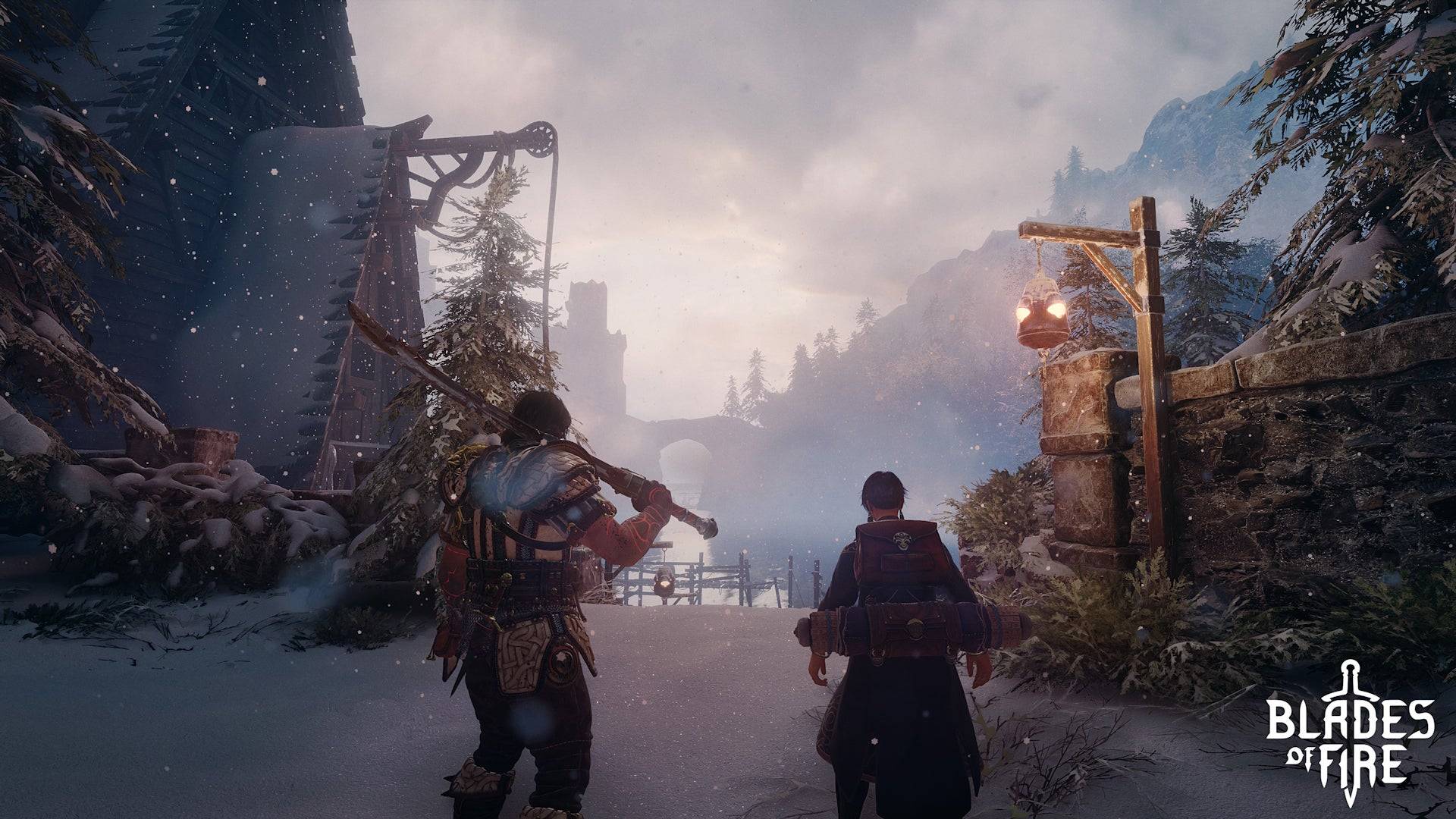
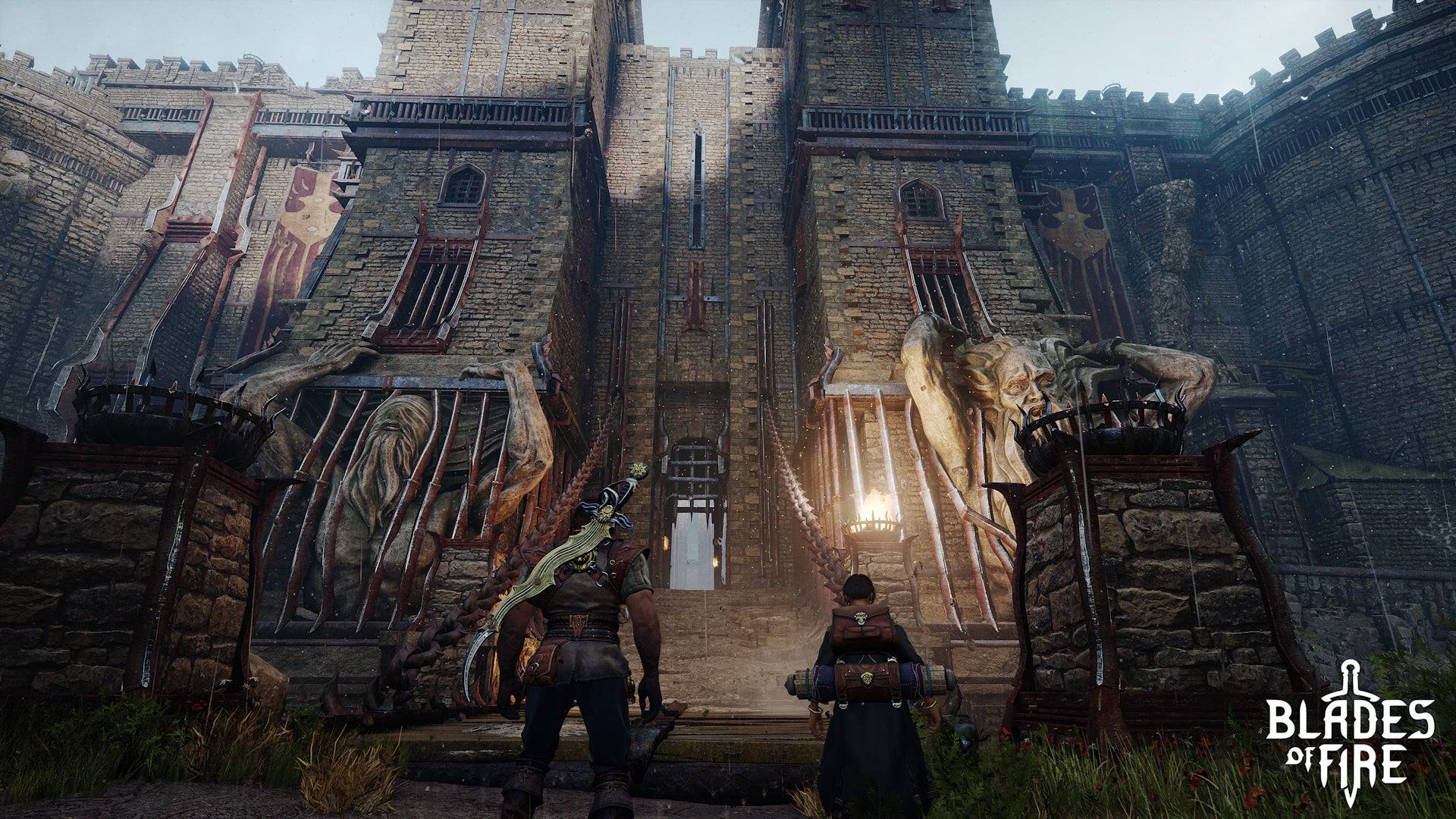
While not a God of War clone, the initial resemblance is undeniable. The dark fantasy setting, weighty combat, and close-quarters camera perspective echo Kratos' Norse saga. The parallels extend further: my early-game demo involved exploring a labyrinthine map, solving puzzles with a young companion, and seeking a reclusive wild woman dwelling atop a colossal beast. This familiarity, however, is tempered by a distinct 1980s fantasy aesthetic. Imagine Conan the Barbarian alongside incredibly muscular soldiers, and orangutan-like foes bouncing on bamboo pogo sticks—a touch of Jim Henson's Labyrinth darkness. The story, too, feels retro: an evil queen has petrified steel, and Aran de Lira, a blacksmith demigod, must slay her and restore the world's metal. While charmingly old-school, the narrative, characters, and writing currently lack compelling depth, feeling somewhat generic, reminiscent of many forgotten Xbox 360-era titles.
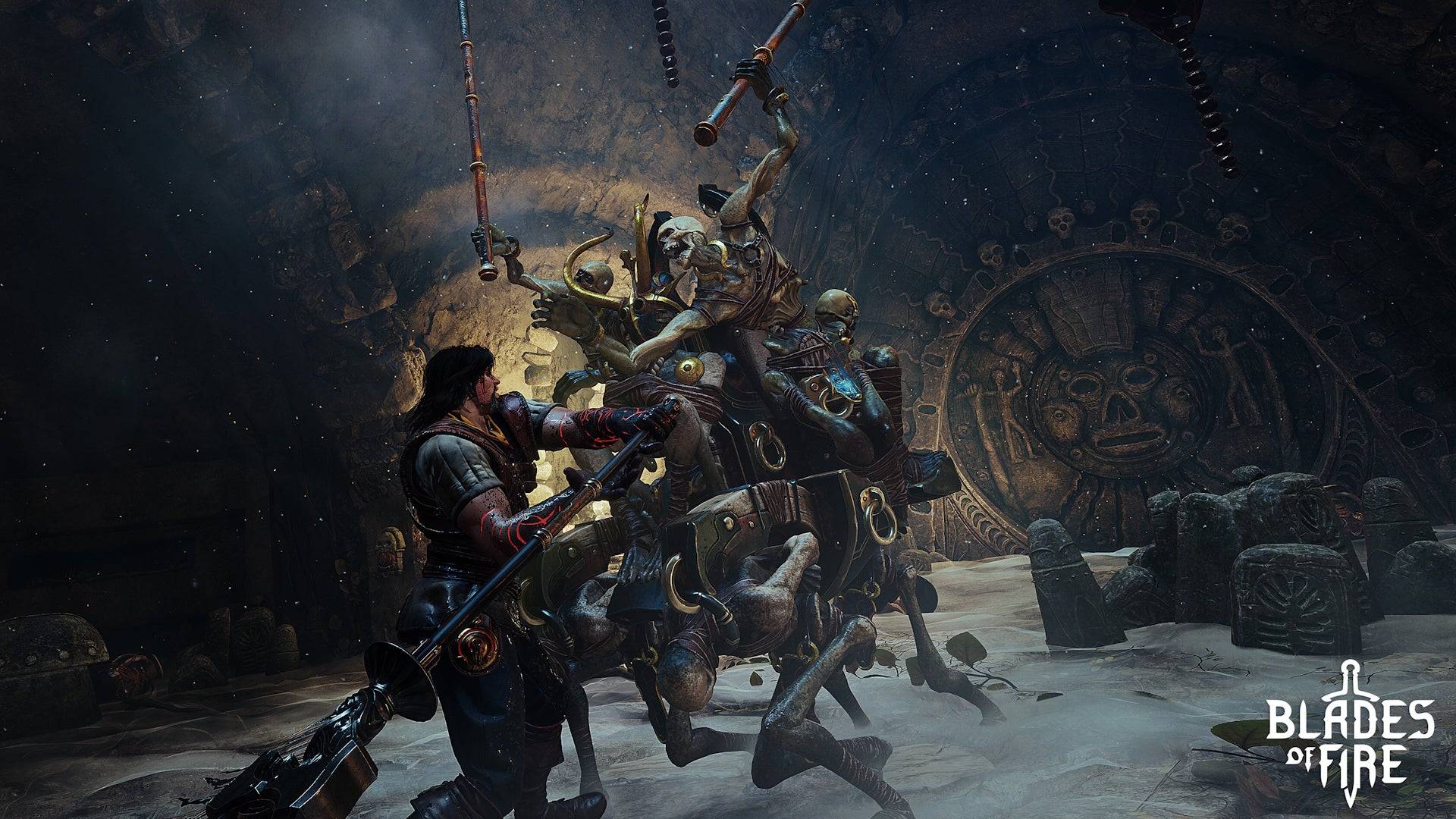
This system shines in encounters like the demo's first boss, a hulking troll. Its secondary health bar only depletes after dismemberment, the limb severed depending on your attack angle. Severing its arm disarms it; removing its face renders it blind and flailing.
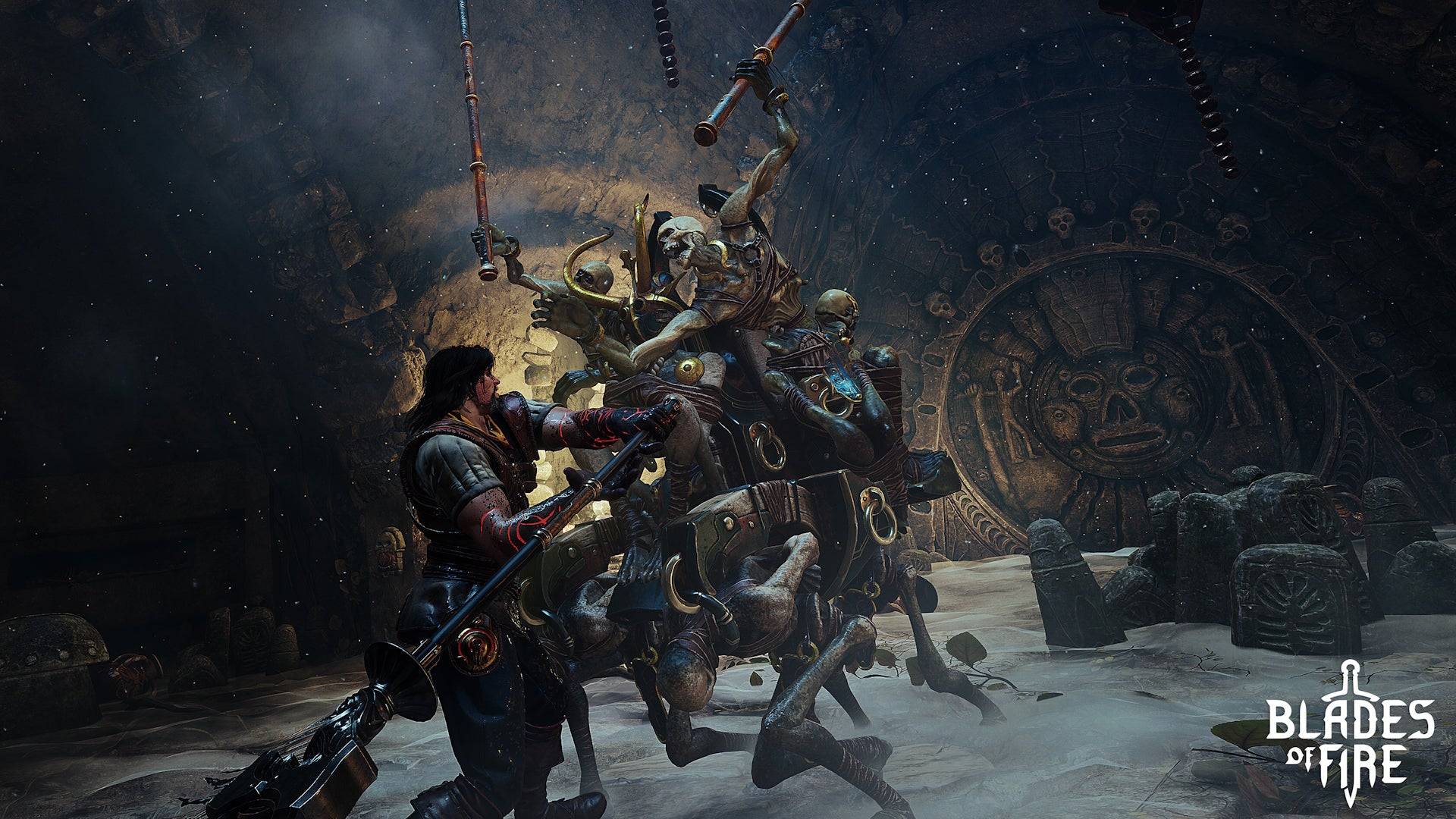
This combat is enhanced by several unique features. Stamina doesn't regenerate automatically; it requires manual replenishment by holding the block button. Despite these additions, the combat retains a Soulslike feel—attack pattern recognition and precise dodge/block/parry windows are crucial, though the punishment isn't as severe. While initially triggering FromSoftware muscle memory, the directional attack system necessitates a different control scheme, repositioning blocking to the left trigger.
Once accustomed to this, the unique mechanics took center stage. The weapon system allows wielding blades in different stances—slashing or thrusting—requiring enemy assessment to determine optimal methods.
Blades of Fire Screenshots
 9 Images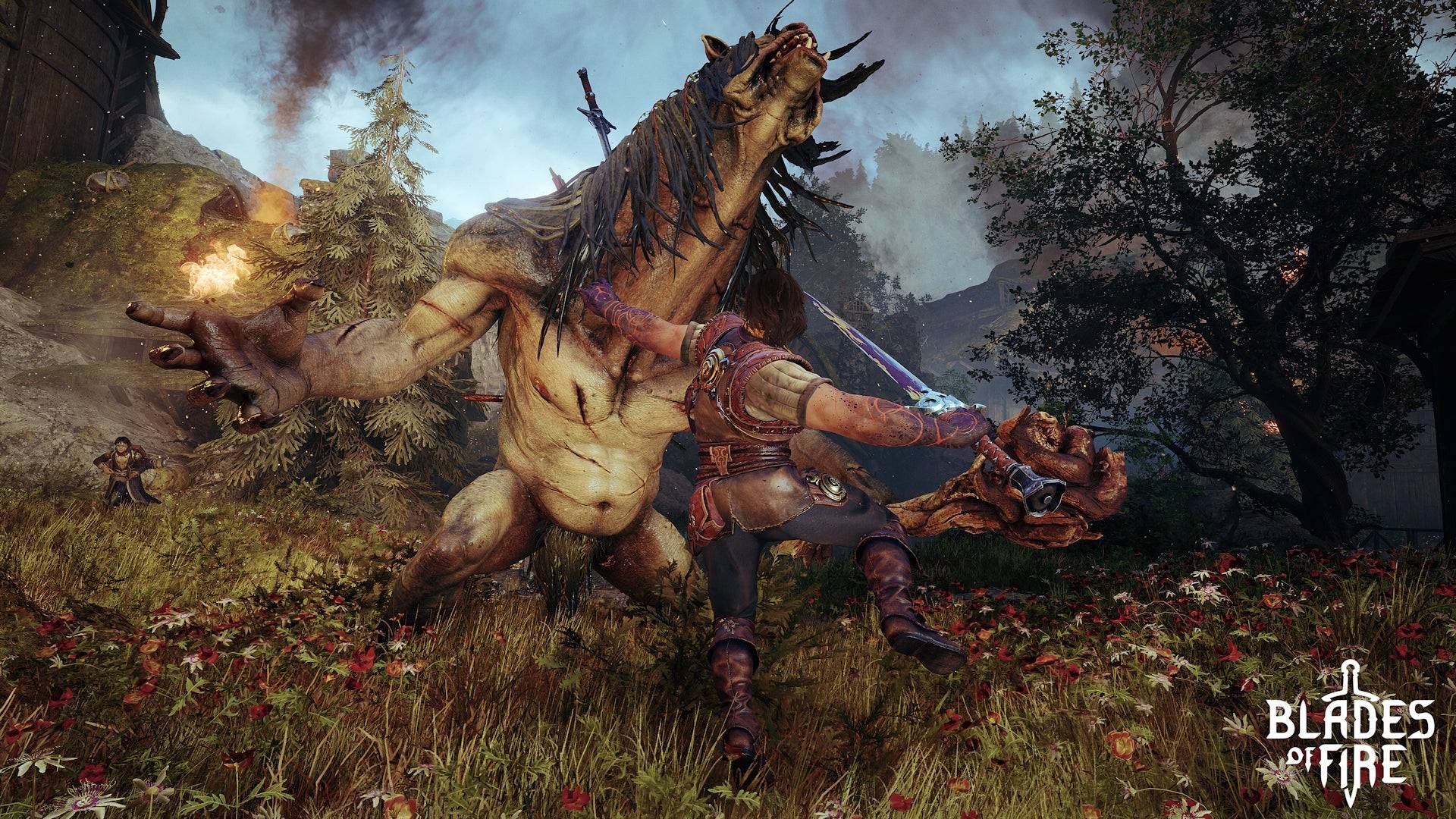
 Weapons are central to Blades of Fire, demanding significant attention. Edged weapons dull with use, reducing damage over time, requiring sharpening. The edge and tip wear independently, reflecting fighting style. Like in Monster Hunter, sharpening mid-combat is necessary. However, weapons have a finite durability, eventually shattering, requiring repair at anvil checkpoints or melting down for crafting. This leads to the game's most innovative feature: the forge.
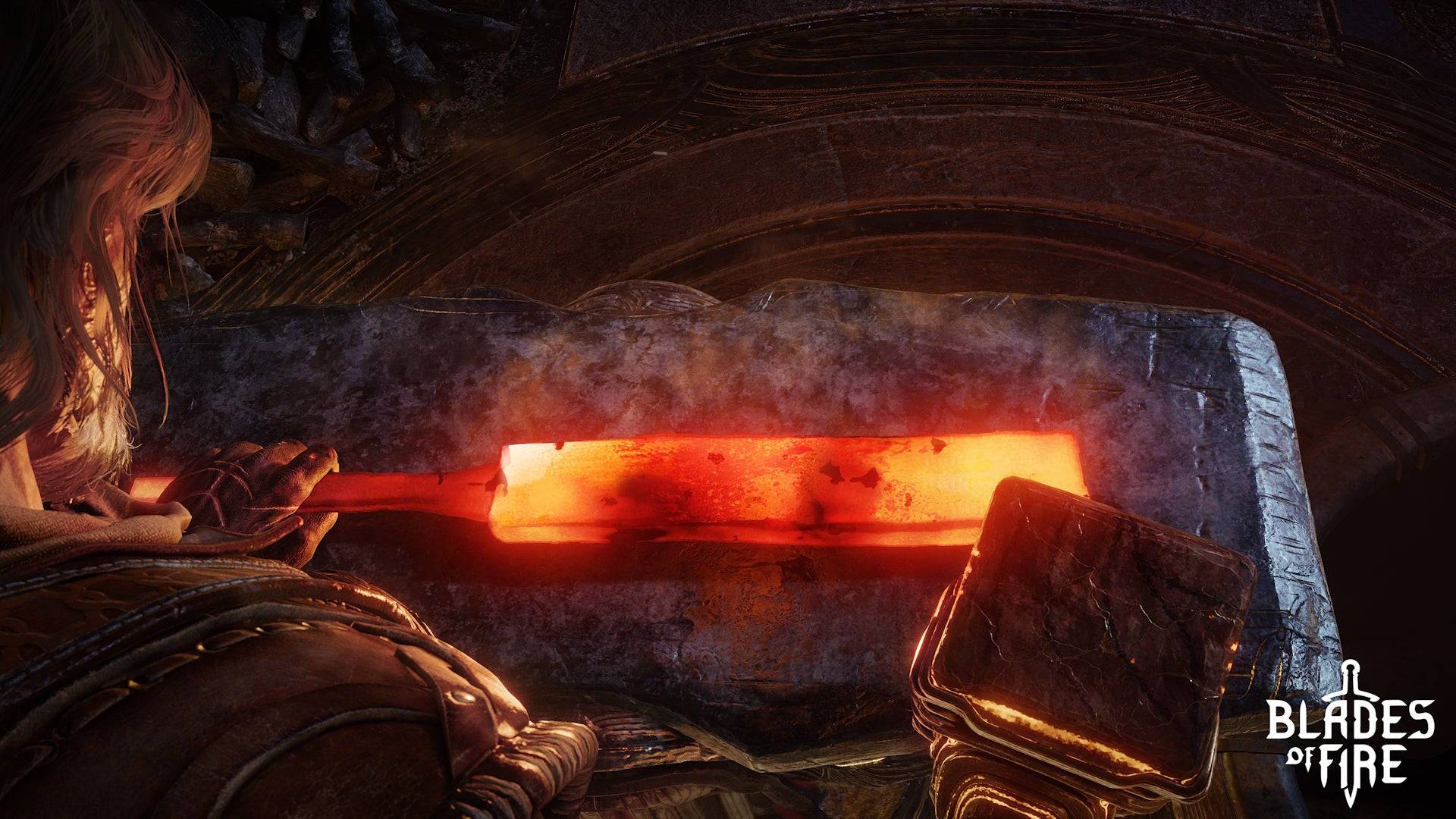
Weapon design begins by selecting a template, then tweaking length, shape, and materials, impacting stats and stamina consumption. The design is then physically hammered out on an anvil via a minigame involving matching a curved line with hammer strikes, aiming for minimal strikes to avoid weakening the weapon. The result is a star rating affecting repairability.
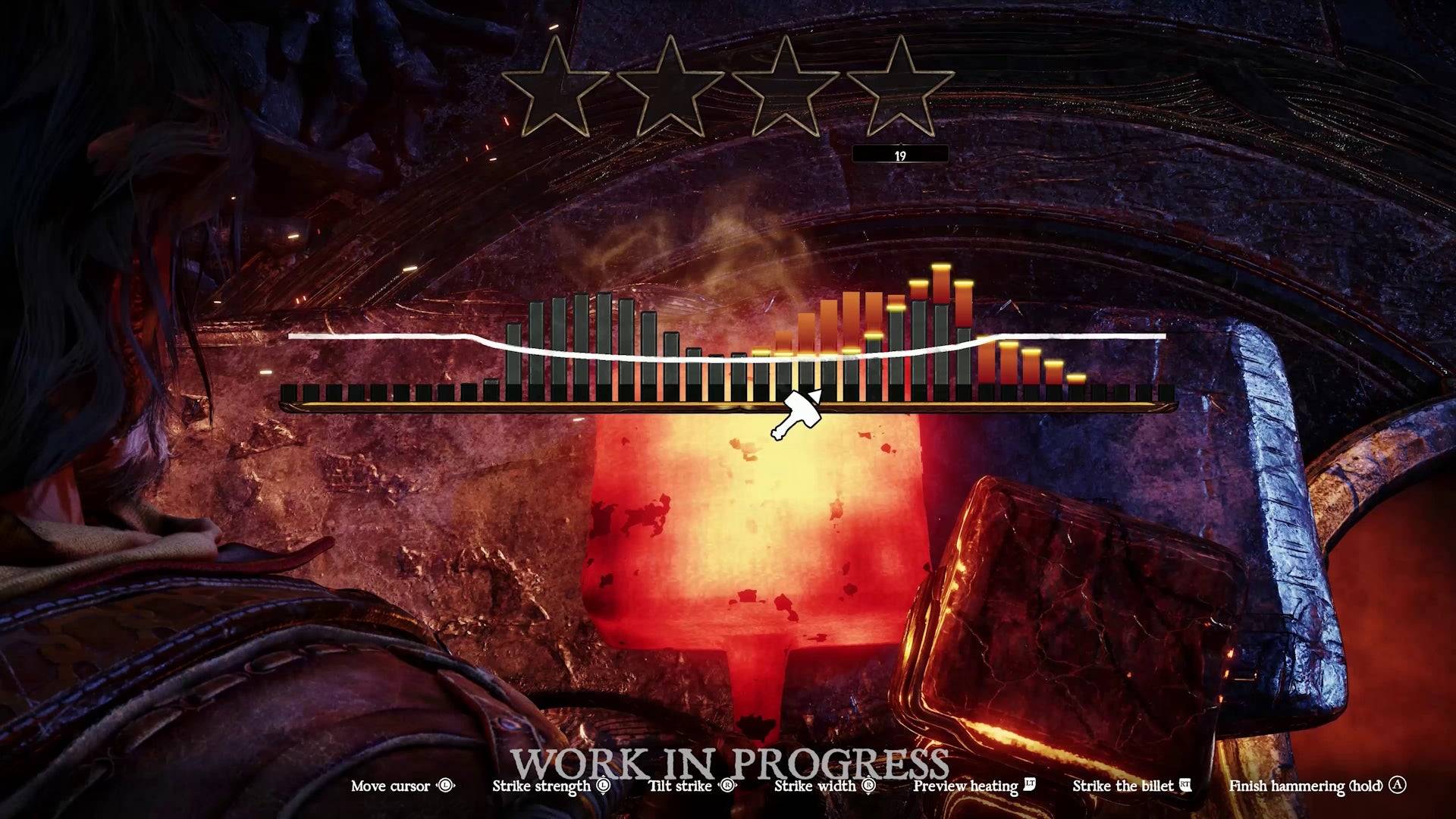
The forge fosters a deep player-weapon bond, crucial for the claimed 60-70 hour campaign. New materials allow re-forging, adapting weapons to new challenges. Death results in weapon loss, requiring retrieval; a mechanic inspired by Dark Souls, but with a more meaningful consequence than simply regaining lost souls.
AnswerSee ResultsMercurySteam's influences—Blade of Darkness, FromSoftware, and God of War—are evident, yet they serve as building blocks for a unique identity. Blades of Fire transcends its inspirations. While concerns remain about the generic fantasy setting's ability to sustain a 60-hour adventure and repetitive encounters, the deep player-weapon connection is intriguing. In the age of complex titles like Elden Ring and Monster Hunter, Blades of Fire has the potential to offer something truly captivating.
Latest Articles
Goblin Valley: Cozy Home Game Opens Pre-Registration
Build and expand your thriving goblin farm villageInteract with quirky goblins, each with unique personalitiesMonitor and fulfill your goblin residents' needsUnimob Global has recently launched pre-registrations for Idle Goblin Valley: Chill Farm, of

Heartopia is kicking off its first closed beta test next month
The initial CBT runs from November 4th through the 18thEngage in hobbies such as fishing, birdwatching, and cookingAdopt pets, customize your home interior, and design unique outfitsHeartopia, XD Games’ highly anticipated life simulation title announ
Summoners War set to host collaboration with the iconic fantasy book series The Lord of the Rings
Summoners War: Sky Arena has teamed up with none other than The Lord of the Rings.
Set to launch later this month, the collaboration brings iconic characters from the Fellowship and beyond into the game.
The Lord of the Rings needs no introduction—it
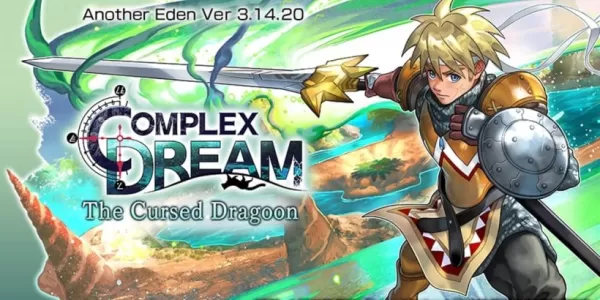
Another Eden expands its Chrono Cross collaboration content with Glenn and new story
Another Eden is introducing fresh content to its existing Chrono Cross collaboration materialThe release includes a beloved character named Glenn from The Cursed DragoonA new character and upcoming events are also being added to honor Japan Cat DayAl

The $13 FrSara Portable Neck Fan Is an Inexpensive Solution to Beating the Summer Heat
Summer has arrived, and neck fans are seeing a surge in popularity. These portable fans offer a simple, effective, and affordable way to stay cool and comfortable. Amazon is currently offering 50% off the FrSara Rechargeable Portable Neck Fan with th
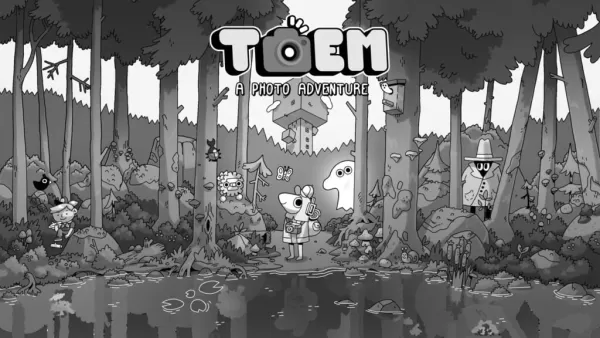
Hand-Drawn Photography Adventure Game TOEM Opens Pre-Registration on Mobile
BAFTA-winning title TOEM: A Photo Adventure arrives on mobile devices worldwide.
Developed by Swedish indie studio Something We Made, pre-registration for TOEM is now available on Android. The official release date is set for October 22nd.
Fun fact:
Latest Games

Zombie Derby
Racing丨53.0 MB
2114 LADA Russian Streets Drag
Racing丨122.9 MB
Chiron Bugatti Supercar Extra
Racing丨96.6 MB
Lada 2110 Special Unit Race
Racing丨124.3 MB
المهجول: هجولة ودرفت
Racing丨468.3 MB

Arclight City
Role Playing丨8.2 MB

Temple of Endless Night
Role Playing丨10.8 MB








Top News
MORE +

01
01-06
CDPR acknowledged weak gameplay in The Witcher 3
The Witcher 3, while critically acclaimed, wasn't without its flaws. Many fans felt the combat system fell short.
In a recent interview, Witcher 4's game director, Sebastian Kalemba, acknowledged weaknesses in the previous game's gameplay, specifically highlighting the need for significant improvem
02
01-07
BREAKING: Flight Simulator 2024 Login Woes Ground Players
Flight Simulator 2024 Launch Plagued by Technical Difficulties
The highly anticipated launch of Flight Simulator 2024 has been significantly hampered by widespread technical problems, leaving many players grounded before they could even take to the virtual skies. This article details the reported d
03
11-17
Hogwarts Legacy 2 is "One of the Biggest Priorities" for WB Games
Following the successful launch of Quidditch Champions this week, Warner Bros. Discovery has confirmed its plans for a sequel to last year's Harry Potter-based action RPG hit Hogwarts Legacy—2023's best-selling game.Hogwarts Legacy Sequel Plans Confirmed by Warner Bros. DiscoveryExpected in
04
11-16
Airplane Chefs Brings The Ultimate Snack, Pringles, On Board!
Buckle up for some snacks as Nordcurrent has just dropped an exciting event for their cooking game. It’s the most unexpected collab of Airplane Chefs and Pringles. If you’ve been enjoying your virtual life as a flight attendant, things are about to get a lot tastier.The game developer behind p
05
11-16
Play Together to collaborate with Sanrio and introduce new My Melody and Kuromi content
Play Together is bringing back its Sanrio collab with the appearance of My Melody and KuromiYou can collect coins by completing their themed missions that can then be used to draw exclusive itemsAs a bonus there's also new summer-themed content and events, including a major bug huntPlay Together, th
Topics
More +