GTA 6 Delay Shakes Gaming Sector
Author : Lillian
Feb 20,2026
Grand Theft Auto fans have received a mixed update. The welcome news is that after a long wait, we finally have a confirmed day-and-date release schedule for GTA 6. The downside? It’s approximately six months later than the initial Fall 2025 target. For many in the gaming sector, the revised launch date of May 26, 2026, is a relief—countless studios, large and small, feared having their carefully planned launch campaigns collide with such a colossal title. That said, several major games without confirmed 2026 dates may now be urgently seeking new launch windows.
It’s evident that Grand Theft Auto 6 has become a keystone for the industry’s short-term outlook—every development update sends ripples across the market. So what does a six-month postponement say about shifts in Rockstar’s corporate culture? How might it influence this year’s console revenue, and what could it mean for the Nintendo Switch 2?
Last year, the video game sector’s total revenue reached $184.3 billion, a slight 0.2% increase from 2023. Defying expectations of a minor slump, this result offered reassurance to developers and publishers. Console revenue, however, dipped by 1%, and we are already witnessing the fallout. Declining hardware sales and escalating tech tariff disputes have pushed Microsoft and Sony to raise prices. This console generation urgently needs a system-selling hit—it needs GTA 6.
Analysts project the crime epic will earn $1 billion from pre-orders and $3.2 billion within its first year. While GTA 5 reached $1 billion in three days, could GTA 6 achieve that in just 24 hours? Circana analyst Mat Piscatella states, “There’s likely never been a more pivotal release for the industry,” arguing that the title’s performance will shape our view of the sector’s growth potential over the next ten years. Speculation about a potential $100 price tag could mark a historic moment, establishing a new industry benchmark and possibly delivering the growth surge many experts believe is necessary. Still, GTA 6 may be such an outlier that its success doesn’t necessarily spur broader progress.
Back in 2018, Rockstar Games faced a public relations storm. Reports surfaced of 100-hour work weeks and mandatory overtime during Red Dead Redemption 2’s development. Testimonies from past and current staff about intense crunch periods dating back to GTA 4 portrayed a challenging environment at one of gaming’s giants. Since then, the studio has reportedly re-evaluated its internal policies. Per a Bloomberg investigation, measures like converting contractors to full-time roles and introducing “flexitime”—letting staff take time off in exchange for overtime hours—reflect a more empathetic approach. Earlier this year, however, Rockstar’s old image resurfaced when employees were instructed to return to the office five days a week to finalize GTA 6. This move makes the reason for the delay quite transparent. As Bloomberg’s Jason Schreier noted on BlueSky, sources at Rockstar cited “too much work, insufficient time, and what seems to be a genuine managerial effort to prevent severe crunch.” Rockstar cannot deliver a game poised to reshape the industry if it reverts to past practices. While players may be frustrated by the wait, developers surely feel relieved.
This console generation requires a landmark title—it needs Grand Theft Auto 6.
For any publisher, launching alongside GTA 6 is like tossing a cup of water into a tidal wave. Reflecting on the earlier Fall 2025 launch window, a Game Business report detailed how the vague timeline unsettled studios globally. One studio head likened Rockstar’s game to “a massive meteor—we’ll just have to avoid the impact zone.” Another wondered, “If we move out of 2025, what if Rockstar does too?” (A worry that proved prescient). Even EA CEO Andrew Wilson alluded to the title’s intimidating shadow regarding the next Battlefield, noting “certain events in the coming year that could influence our launch strategy.”
That said, major launches don’t always smother surrounding releases. Kepler Interactive’s original RPG Clair Obscur: Expedition 33 moved over a million copies in just three days, despite launching alongside Bethesda’s Oblivion remake. Senior portfolio manager Matt Handrahan quipped that it felt like the industry’s “Barbenheimer” moment. While such a scenario seems improbable with GTA 6, it highlights that unconventional release pairings aren’t part of most publishers’ strategies. Don’t expect a “Grand Theft Fable” crossover in 2026.
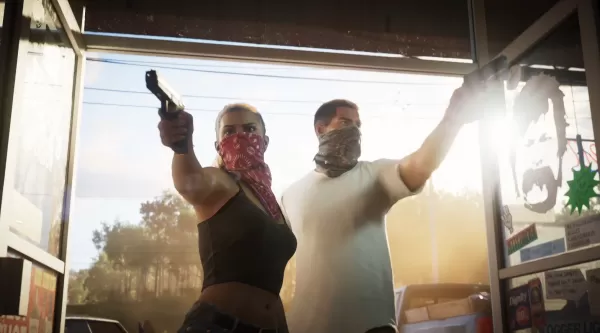
At present, the full impact of the May 2026 launch on other studios’ schedules is uncertain. Several blockbusters—including Fable, Gears of War: E-Day, the next Battlefield, and the Mass Effect-inspired Exodus—remain undated. Some developers are surely adjusting internal timelines, though the public may not notice. Rockstar’s date announcement will likely give other companies more confidence to reveal their own launch plans—though they may want to wait a while longer.
It’s quite possible this isn’t GTA 6’s final release date. Both GTA 5 and Red Dead Redemption 2 were each delayed twice: first to the following year’s second quarter, then to its third quarter. GTA 6 is now on a similar path—shifted from Fall 2025 to May 2026. A subsequent delay to October or November 2026 seems a plausible forecast.
An autumn launch becomes even more probable when considering the potential for Microsoft and Sony to offer special console bundles featuring the game—a tactic that could drive holiday sales. For instance, Sony sold 6.4 million PlayStation 4 units between October and December 2014, more than doubling the figure from the prior six months. While Christmas played a role, another major factor was at play: Grand Theft Auto 5 launched on PS4 during that period.
Rockstar has just one opportunity to deliver—what’s an extra six months after 13 years?
Perhaps more surprising is that Nintendo could be among those most impacted by this delay. Recently, Take-Two CEO Strauss Zelnick promised full support for the Switch 2, fueling speculation about a possible GTA 6 release on the platform. The surprise launch of Grand Theft Auto: The Trilogy – Definitive Edition on Nintendo Switch set a precedent for mature titles on a family-friendly console. Though many assumed Switch hardware couldn’t handle a game like GTA, last year modders shared footage of an in-development GTA 5 port running on Switch using leaked source code. While it’s doubtful Nintendo factored GTA 6 into the Switch 2’s first-year projections, the strong relationship between Take-Two and Nintendo is undeniable. Despite its distinctive market position, Nintendo remains a dominant force in the console landscape. The original Switch hosted era-defining games like The Elder Scrolls V: Skyrim, Red Dead Redemption, Metal Gear Solid, and Crysis. With Cyberpunk 2077 confirmed for the Switch 2 at launch—including the Phantom Liberty expansion, previously exclusive to current-gen systems—we shouldn’t dismiss the possibility of “miracle” ports.
One thing is certain: an enormous amount is riding on Grand Theft Auto 6. Key figures across the industry—from studio executives to lead analysts—believe this generation-defining release can reinvigorate stagnant growth. Global anticipation is at a peak for a game over a decade in the making. The pressure on Rockstar is immense: not only must GTA 6 help restore the industry to pre-pandemic expansion, it must also set a new standard for interactive entertainment. Rockstar gets only one shot—what’s another half-year after 13 years?
Latest Articles
Mutants: Genesis Hits iOS, Android, Steam After Early Access
Clash Royale players finally get to witness the highly anticipated evolution of the Inferno Dragon. After nearly a decade without an upgrade, this fiery Legendary card receives a powerful transformation. The developers at Supercell teamed up with Fin
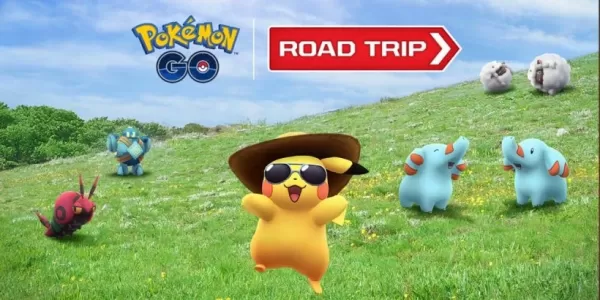
Pokemon GO Road Trip 2025 Details, Summer Pikachu Available
Experience Pokémon GO Road Trip Truck stops in the gameFind Wooloo, Phanpy, and Alolan Geodude in the wildSummer-style Pikachu makes a special appearanceIf today's new details don't get you excited for the Pokemon GO Road Trip 2025, nothing will. Thi
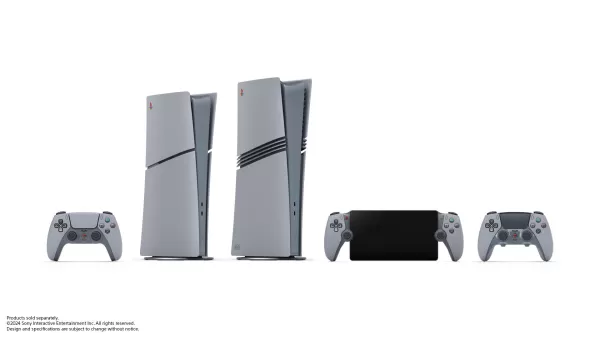
PlayStation Stars Shuts Down After 3 Years
Sony has announced the discontinuation of its PlayStation Stars loyalty program less than three years after its introduction.The rewards initiative stopped accepting new members today, with exiting participants unable to rejoin. Canceling membership
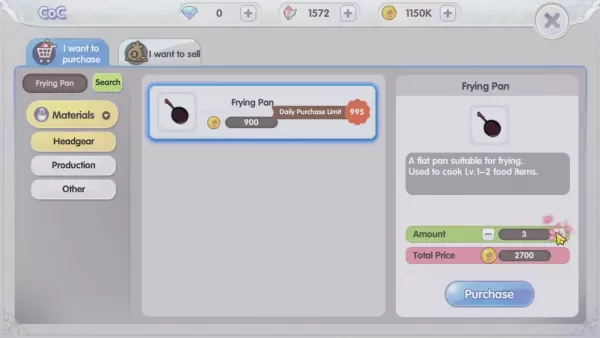
Mastering Cooking in Ragnarok X: Next Generation
Cooking in Ragnarok X: Next Generation is a dynamic system that enhances combat, resource gathering, and character progression. Preparing dishes grants temporary boosts, improving dungeon survivabilit
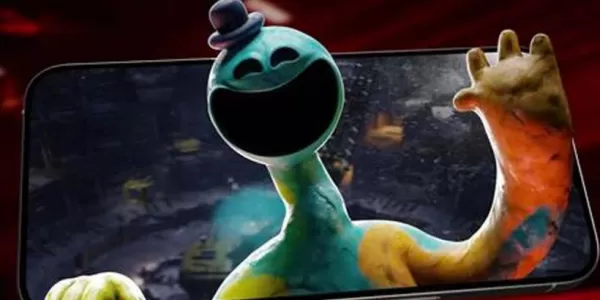
Poppy Playtime Chapter 4 Launches with Introductory Sale
Uncover new characters and a deeper backstoryNavigate the depths of the Playtime Co. factoryLimited-time introductory discount availableMob Entertainment has officially released Poppy Playtime Chapter 4, allowing you to dive into the next chilling ch
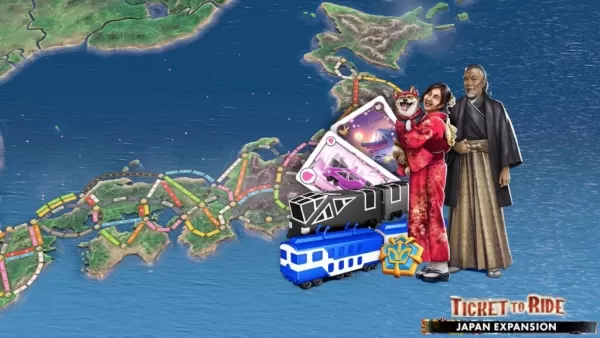
Japan Expansion for Ticket to Ride: Build the Bullet Train Network!
Ticket to Ride now lets you embark on a virtual train journey across Japan with its latest expansion. Marmalade Game Studio and Asmodee Entertainment have launched the Japan Expansion for their digital adaptation of the classic board game.
Help Build
Latest Games
Traffic Tour Classic
Racing丨102.3 MB

Demolition Derby Car Racing
Racing丨35.1 MB
Slingshot Crash
Racing丨220.2 MB

Savanna Race
Racing丨24.8 MB
Bridge Car Race
Racing丨36.0 MB

Top Jockey
Racing丨251.6 MB
Hill Climb Racing
Racing丨116.2 MB

Zombie Derby 2
Racing丨66.3 MB








Top News
MORE +

01
01-07
BREAKING: Flight Simulator 2024 Login Woes Ground Players
Flight Simulator 2024 Launch Plagued by Technical Difficulties
The highly anticipated launch of Flight Simulator 2024 has been significantly hampered by widespread technical problems, leaving many players grounded before they could even take to the virtual skies. This article details the reported d
02
01-06
CDPR acknowledged weak gameplay in The Witcher 3
The Witcher 3, while critically acclaimed, wasn't without its flaws. Many fans felt the combat system fell short.
In a recent interview, Witcher 4's game director, Sebastian Kalemba, acknowledged weaknesses in the previous game's gameplay, specifically highlighting the need for significant improvem
03
11-17
Hogwarts Legacy 2 is "One of the Biggest Priorities" for WB Games
Following the successful launch of Quidditch Champions this week, Warner Bros. Discovery has confirmed its plans for a sequel to last year's Harry Potter-based action RPG hit Hogwarts Legacy—2023's best-selling game.Hogwarts Legacy Sequel Plans Confirmed by Warner Bros. DiscoveryExpected in
04
11-16
Airplane Chefs Brings The Ultimate Snack, Pringles, On Board!
Buckle up for some snacks as Nordcurrent has just dropped an exciting event for their cooking game. It’s the most unexpected collab of Airplane Chefs and Pringles. If you’ve been enjoying your virtual life as a flight attendant, things are about to get a lot tastier.The game developer behind p
05
11-16
Play Together to collaborate with Sanrio and introduce new My Melody and Kuromi content
Play Together is bringing back its Sanrio collab with the appearance of My Melody and KuromiYou can collect coins by completing their themed missions that can then be used to draw exclusive itemsAs a bonus there's also new summer-themed content and events, including a major bug huntPlay Together, th
Topics
More +