Marvel's 1980s: The Greatest Decade?
Author : Ethan
Mar 26,2025
The 1970s were a tumultuous time for Marvel Comics, marked by significant upheaval but also the introduction of iconic characters and storylines such as "The Night Gwen Stacy Died" and Doctor Strange's encounter with God. However, it was in the early 1980s that Marvel truly hit its stride, with legendary creators delivering landmark runs on their most beloved titles. This era saw the rise of Frank Miller's transformative work on Daredevil, John Byrne's acclaimed tenure on Fantastic Four, David Michelinie's contributions to Iron Man, and the peak of Chris Claremont's legendary X-Men run. Additionally, Roger Stern's Amazing Spider-Man and Walt Simonson's Thor were on the horizon, setting the stage for enduring legacies that continue to captivate fans to this day. These creators and their work are pivotal to understanding the lasting appeal of these characters.
When considering the entirety of the Marvel Universe's history, the 1980s stand out as a potential golden age for the company. In this installment, Part 7 of our series on essential Marvel issues, we delve deep into this transformative period.
More Essential Marvel
- 1961-1963: The Birth of a Universe
- 1964-1965: The Sentinels Are Born and Cap Dethaws
- 1966-1969: How Galactus Changed Marvel Forever
- 1970-1973: The Night Gwen Stacy Died
- 1974-1976: The Punisher Begins His War on Crime
- 1977-1979: Star Wars Saves Marvel From Bankruptcy
- The Dark Phoenix Saga and Other All-Time X-Men Stories
Chris Claremont's influential run on X-Men, which began in 1975, reached its zenith in the early 1980s with three of its most celebrated arcs. The first, the Dark Phoenix Saga (X-Men #129-137), is arguably the most iconic X-Men story ever told. This epic tale, co-plotted and pencilled by John Byrne, follows Jean Grey's transformation into the Dark Phoenix, a cosmic entity corrupted by the Hellfire Club. The saga not only introduced key characters like Kitty Pryde (Shadowcat), Emma Frost, and Dazzler but also delivered one of the most emotionally charged moments in X-Men history with Jean Grey's sacrifice. Despite numerous adaptations, including films like X-Men: The Last Stand and Dark Phoenix, many fans believe the animated series, such as X-Men: The Animated Series and Wolverine & the X-Men, captured the essence of the story more faithfully.
Following closely, the Days of Future Past storyline (X-Men #141-142) introduced a dystopian future dominated by Sentinels, first created by Stan Lee and Jack Kirby in 1965. This two-issue arc, centered around Kitty Pryde's time-travel mission to prevent Senator Robert Kelly's assassination, has become a cornerstone of X-Men lore, inspiring the 2014 film and the season arc of Wolverine & the X-Men.
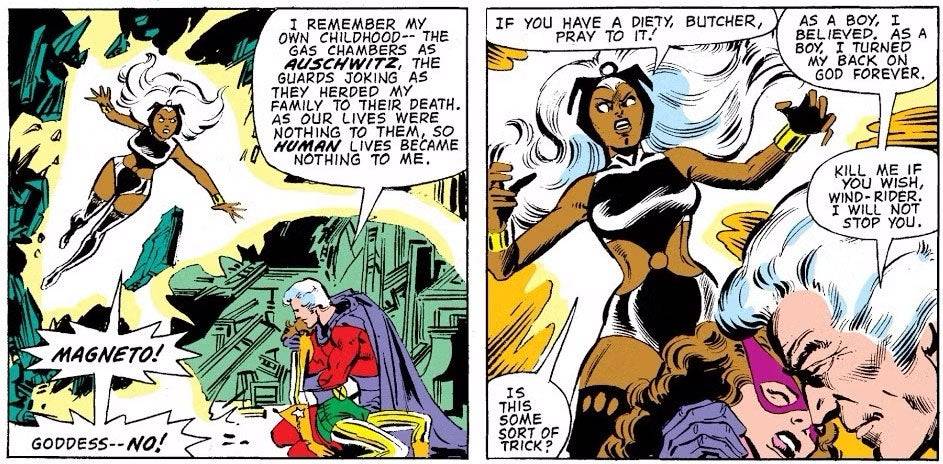
Completing the trilogy of essential X-Men stories from this period, X-Men #150 features a pivotal battle with Magneto that nearly results in Kitty Pryde's death. This issue reveals Magneto's Holocaust survivor backstory, a revelation that profoundly shaped his character's future development into a more complex figure.
The First Appearances of Rogue, She-Hulk, and the New Mutants
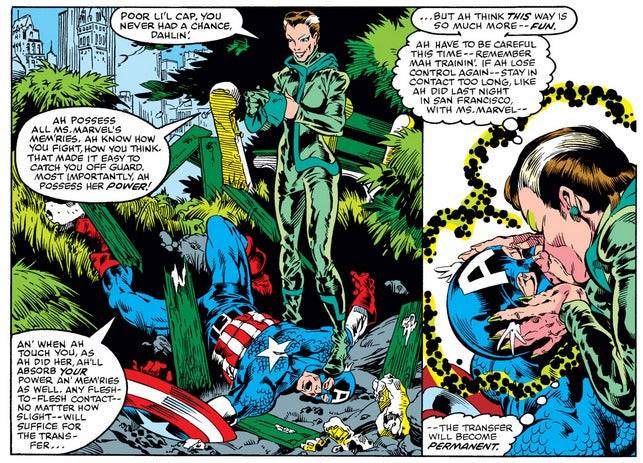
The 1980s also saw the introduction of several major characters, particularly notable female heroes. Rogue, a fan-favorite X-Men member, debuted as a villain in Avengers Annual #10, part of Mystique's Brotherhood of Evil Mutants. Her initial act of draining Carol Danvers' (Ms. Marvel) powers set the stage for significant developments in both characters' arcs. This issue also addressed Carol's traumatic experience with Marcus Immortus, marking a critical, albeit controversial, moment in Marvel's history.
She-Hulk, co-created by Stan Lee, made her debut in Savage She-Hulk #1. Jennifer Walters, Bruce Banner's cousin, gained her powers through an emergency blood transfusion. While her initial series was not well-received, She-Hulk's character flourished upon joining the Avengers and Fantastic Four. Tatiana Maslany later brought the character to life in the MCU's She-Hulk series.
The New Mutants, Marvel's first X-Men spin-off, were introduced in Marvel Graphic Novel #4 before getting their own series. This team of teenage mutants, including Cannonball, Sunspot, Karma, Wolfsbane, and Dani Moonstar (Mirage), along with the later addition of Illyana Rasputina (Magik), laid the groundwork for many future stories. The 2020 New Mutants film featured this lineup, with Anya Taylor-Joy portraying Magik.
Iconic Storylines for Daredevil, Iron Man, and Captain America
Daredevil #168 marked the beginning of Frank Miller's groundbreaking writer-artist run, introducing Elektra and redefining the character's mythology. Over the next two years, Miller crafted a gritty, noir-inspired saga that included the rise of Kingpin as Matt Murdock's nemesis, the introduction of Stick, Daredevil's first clash with the Punisher, and the tragic death of Elektra at the hands of Bullseye in issue #181. This run, spanning Daredevil #168-191, inspired both the 2003 film and the 2015 Netflix series, with the latter set to continue in the MCU's Daredevil: Born Again.
Iron Man's Doomquest storyline (Iron Man #149-150) by David Michelinie and Bob Layton saw Tony Stark facing Doctor Doom in a solo battle that transported them to the time of King Arthur. This arc not only solidified Doom as a key member of Iron Man's rogues gallery but also set the stage for future collaborations between Doom and Morgan le Fay.
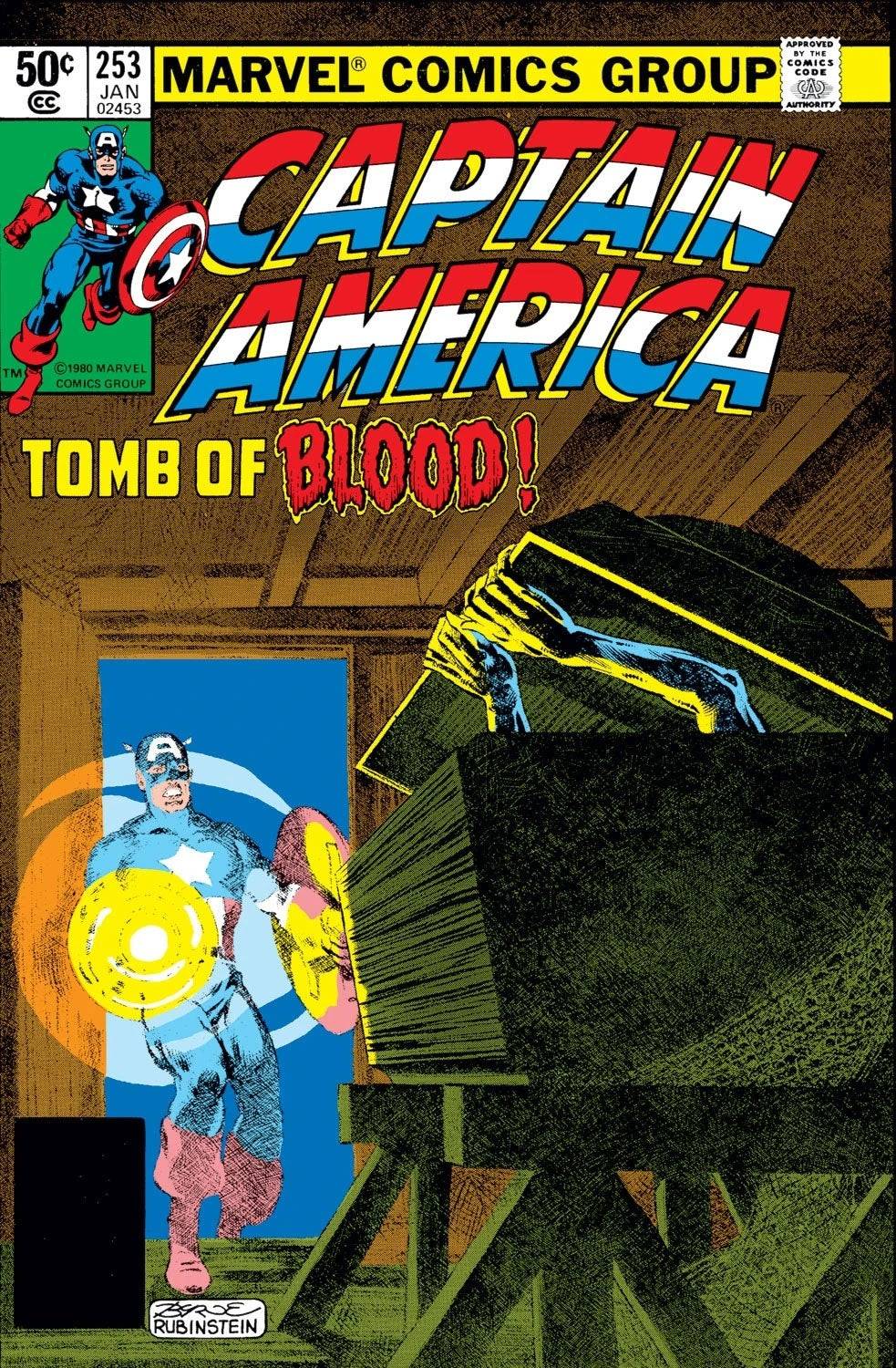
Captain America's confrontation with Baron Blood in Captain America #253-254, crafted by Roger Stern and John Byrne, offered a darker narrative than usual for the character. This story, involving Cap's battle with the Nazi vampire and his ties to the Invaders, showcased stellar artwork and a gripping conclusion.
Moon Knight Becomes a Hero and Marvel Helps Create the G.I. Joe Mythology
Moon Knight's transition from antagonist to hero was solidified in Moon Knight #1. Initially introduced in Werewolf by Night #32, the character, created by Doug Moench and Don Perlin, found his footing in this series, which detailed his backstory and introduced his alternate identities, Steven Grant and Jake Lockley.
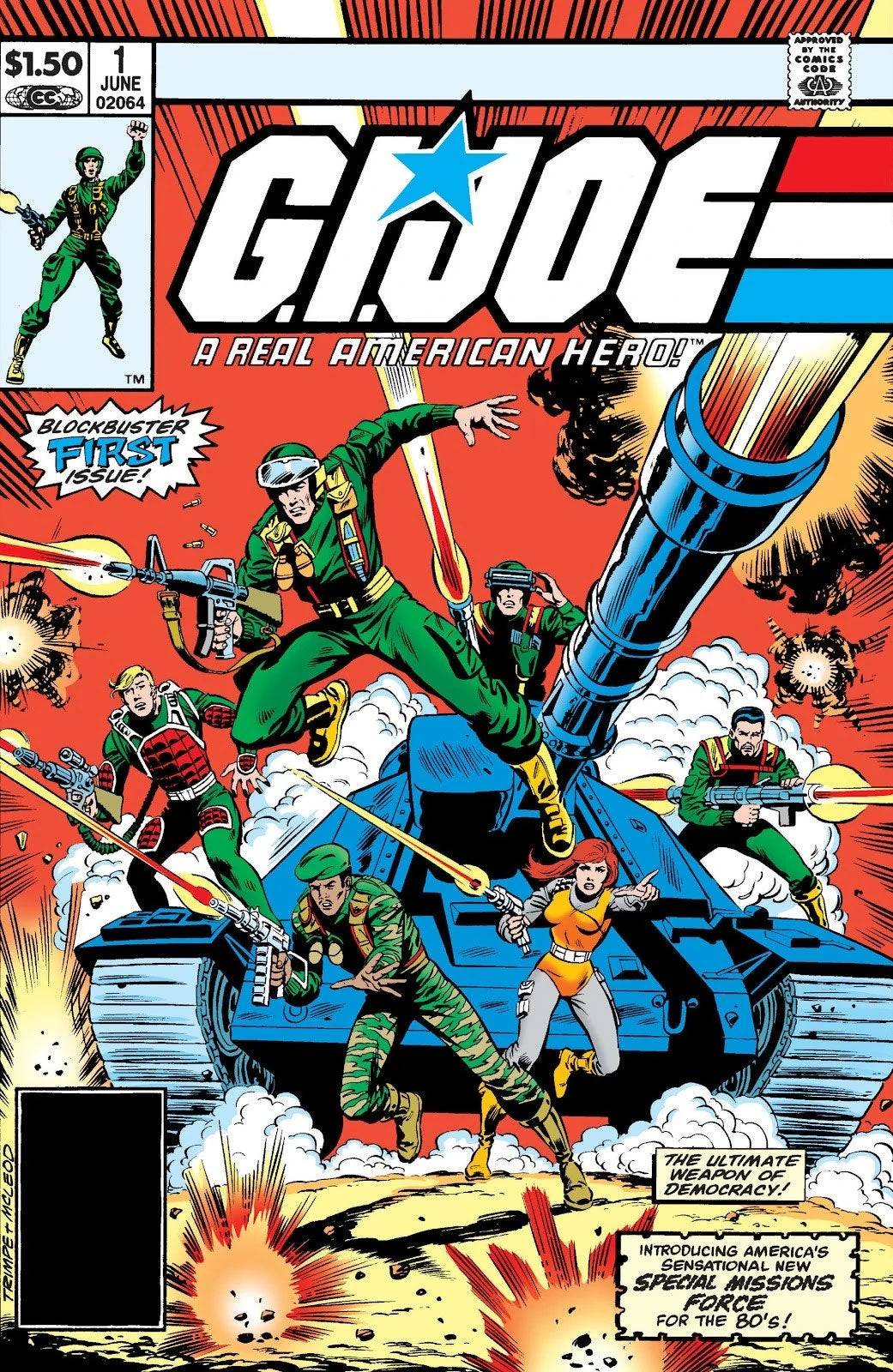
Although not owned by Marvel, the G.I. Joe franchise owes much of its character development to the company. Starting in 1982, Marvel's tie-in comic, spearheaded by editor Archie Goodwin and writer Larry Hama, introduced key figures like Scarlett, Snake Eyes, Storm Shadow, Lady Jaye, and the Baroness. Hama's storytelling not only made G.I. Joe one of Marvel's most popular titles but also resonated strongly with female readers due to its equitable portrayal of female characters.
Latest Articles
Summoners War set to host collaboration with the iconic fantasy book series The Lord of the Rings
Summoners War: Sky Arena has teamed up with none other than The Lord of the Rings.
Set to launch later this month, the collaboration brings iconic characters from the Fellowship and beyond into the game.
The Lord of the Rings needs no introduction—it
Another Eden expands its Chrono Cross collaboration content with Glenn and new story
Another Eden is introducing fresh content to its existing Chrono Cross collaboration materialThe release includes a beloved character named Glenn from The Cursed DragoonA new character and upcoming events are also being added to honor Japan Cat DayAl

The $13 FrSara Portable Neck Fan Is an Inexpensive Solution to Beating the Summer Heat
Summer has arrived, and neck fans are seeing a surge in popularity. These portable fans offer a simple, effective, and affordable way to stay cool and comfortable. Amazon is currently offering 50% off the FrSara Rechargeable Portable Neck Fan with th
Hand-Drawn Photography Adventure Game TOEM Opens Pre-Registration on Mobile
BAFTA-winning title TOEM: A Photo Adventure arrives on mobile devices worldwide.
Developed by Swedish indie studio Something We Made, pre-registration for TOEM is now available on Android. The official release date is set for October 22nd.
Fun fact:
Mutants: Genesis Hits iOS, Android, Steam After Early Access
Clash Royale players finally get to witness the highly anticipated evolution of the Inferno Dragon. After nearly a decade without an upgrade, this fiery Legendary card receives a powerful transformation. The developers at Supercell teamed up with Fin
Pokemon GO Road Trip 2025 Details, Summer Pikachu Available
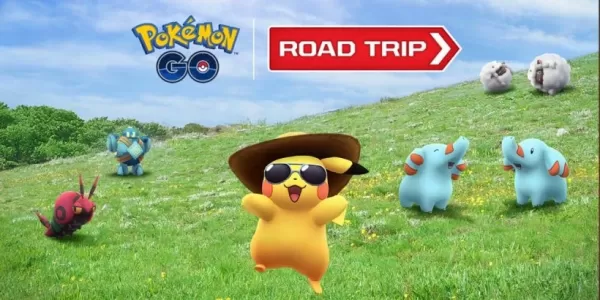
Experience Pokémon GO Road Trip Truck stops in the gameFind Wooloo, Phanpy, and Alolan Geodude in the wildSummer-style Pikachu makes a special appearanceIf today's new details don't get you excited for the Pokemon GO Road Trip 2025, nothing will. Thi
Latest Games
Real World Cricket Games
Sports丨49.2 MB
Merge Master Tanks: Tank wars
Casual丨108.9 MB
Let's Bowl 2 : Bowling Game
Sports丨82.3 MB

Soccer Legend
Sports丨150.4 MB

Real World Cricket T10 Games
Sports丨63.9 MB
Rail Nation
Strategy丨1.3 GB
Travian Kingdoms
Strategy丨109.7 MB






Top News
MORE +
01
01-06
CDPR acknowledged weak gameplay in The Witcher 3
The Witcher 3, while critically acclaimed, wasn't without its flaws. Many fans felt the combat system fell short.
In a recent interview, Witcher 4's game director, Sebastian Kalemba, acknowledged weaknesses in the previous game's gameplay, specifically highlighting the need for significant improvem
02
01-07
BREAKING: Flight Simulator 2024 Login Woes Ground Players
Flight Simulator 2024 Launch Plagued by Technical Difficulties
The highly anticipated launch of Flight Simulator 2024 has been significantly hampered by widespread technical problems, leaving many players grounded before they could even take to the virtual skies. This article details the reported d
03
11-17
Hogwarts Legacy 2 is "One of the Biggest Priorities" for WB Games
Following the successful launch of Quidditch Champions this week, Warner Bros. Discovery has confirmed its plans for a sequel to last year's Harry Potter-based action RPG hit Hogwarts Legacy—2023's best-selling game.Hogwarts Legacy Sequel Plans Confirmed by Warner Bros. DiscoveryExpected in
04
11-16
Airplane Chefs Brings The Ultimate Snack, Pringles, On Board!
Buckle up for some snacks as Nordcurrent has just dropped an exciting event for their cooking game. It’s the most unexpected collab of Airplane Chefs and Pringles. If you’ve been enjoying your virtual life as a flight attendant, things are about to get a lot tastier.The game developer behind p
05
11-16
Play Together to collaborate with Sanrio and introduce new My Melody and Kuromi content
Play Together is bringing back its Sanrio collab with the appearance of My Melody and KuromiYou can collect coins by completing their themed missions that can then be used to draw exclusive itemsAs a bonus there's also new summer-themed content and events, including a major bug huntPlay Together, th
Topics
More +