Console War: Is It Over for Good?
Author : Eleanor
May 15,2025
The age-old debate between PlayStation and Xbox has been a cornerstone of the video game world for decades. Whether you've argued about it on Reddit, TikTok, or in heated discussions with friends, the rivalry between Sony and Microsoft has shaped much of the gaming landscape. However, as the industry undergoes significant transformations, the question remains: Is the 'console war' still relevant? With the rise of handheld gaming and younger generations building their own gaming rigs, the gaming battlefield has evolved dramatically. Has a clear victor emerged from this ever-changing arena? The answer might surprise you.
The video game industry has transformed into a financial powerhouse, with its global revenue soaring from $285 billion in 2019 to a staggering $475 billion in 2023. This figure surpasses the combined earnings of the global movie and music industries, which stood at $308 billion and $28.6 billion respectively in 2023. Projections indicate that by 2029, the industry could reach nearly $700 billion, a testament to its explosive growth from its humble beginnings with games like Pong.
This lucrative landscape has attracted Hollywood stars like Mads Mikkelsen, Keanu Reeves, Jon Bernthal, and Willem Dafoe, who have all featured in video games over the past five years. Their participation underscores the shifting perception of video games as a mainstream entertainment medium. Even giants like Disney are investing heavily, with a $1.5 billion stake in Epic Games as part of CEO Bob Iger's strategy to expand Disney's gaming footprint. Yet, amidst this rising tide, Microsoft's Xbox division appears to be facing challenges.
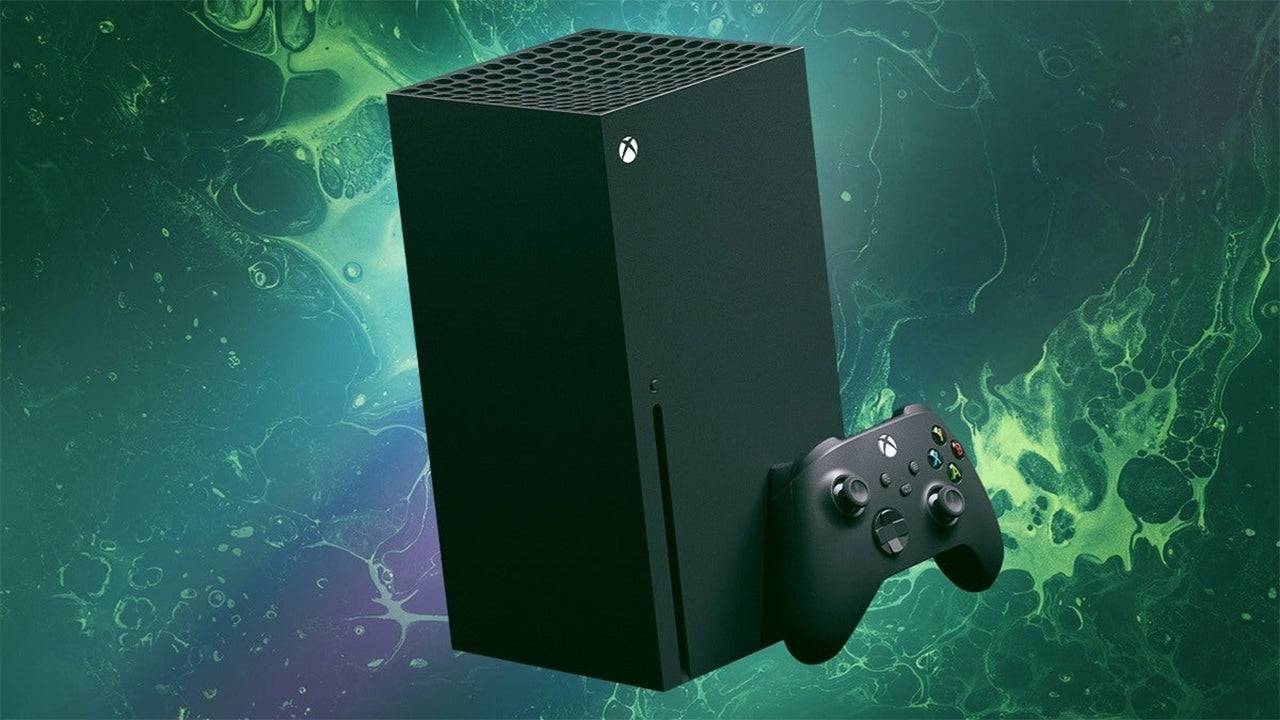
The Xbox Series X and S were designed to be a significant upgrade over the Xbox One, but they have not captured the market as anticipated. Sales of the Xbox One continue to outpace the Series X/S by nearly double. Mat Piscatella from Circana suggests that the current console generation may have reached its sales peak, which is concerning for Xbox. In 2024, the Xbox Series X/S sold fewer than 2.5 million units throughout the year, while the PlayStation 5 sold the same number in just the first quarter. Rumors of Xbox potentially closing its physical game distribution department and pulling out of the EMEA market further signal a retreat from traditional console warfare.
Microsoft's stance on the console war is telling. During the Activision-Blizzard acquisition, Microsoft admitted that it never believed it had a chance to win the console war. Faced with declining sales and a parent company acknowledging this reality, Microsoft is pivoting away from traditional console manufacturing. Xbox Game Pass has become a focal point, with internal documents revealing significant investments to bring major titles like Grand Theft Auto 5 and Star Wars Jedi: Survivor to the subscription service. Microsoft's 'This Is An Xbox' campaign redefines Xbox not just as a console, but as an accessible service complemented by hardware.
This shift suggests that Xbox's future might not be tied to traditional consoles. Rumors of an Xbox handheld and Microsoft's plans for a mobile game store to compete with Apple and Google underscore a broader strategy to embrace mobile gaming. Xbox chief Phil Spencer has acknowledged the dominance of mobile gaming, positioning Xbox as a brand that players can access anytime, anywhere.

Microsoft's pivot is driven by the overwhelming popularity of mobile gaming. In 2024, out of the estimated 3.3 billion gamers worldwide, over 1.93 billion play on mobile devices. Mobile gaming now dominates the market, especially among Gen Z and Gen Alpha, with a valuation of $92.5 billion out of the industry's total $184.3 billion. Console gaming, on the other hand, accounts for only $50.3 billion, a figure that has dropped 4% since 2023. The trend towards mobile gaming is not new; by 2013, mobile games like Puzzle & Dragons and Candy Crush Saga were out-earning traditional console hits like GTA 5.
While mobile gaming surges ahead, PC gaming also sees growth, with a yearly increase of 59 million new players since 2014, reaching 1.86 billion in 2024. Despite this rise, the gap between console and PC gaming markets has widened from $2.3 billion in 2016 to $9 billion in 2024, indicating a complex landscape for Xbox, which has also made Windows PCs a significant platform.

On the other side of the console war, PlayStation is enjoying success. Sony reported 65 million PS5 units sold, significantly outpacing the 29.7 million combined sales of Xbox Series X/S. For every Xbox sold, five PS5s are purchased. Sony's Game and Network Services saw a 12.3% profit increase, driven by strong sales of first-party titles like Astro Bot and Ghost of Tsushima Director's Cut. Projections suggest Sony could sell 106.9 million PS5s by 2029, while Microsoft expects to sell only 56-59 million Xbox Series X/S units by 2027. With Xbox titles potentially coming to PlayStation and other platforms, Sony appears to hold the upper hand in the console market.
However, the PS5's success is not without its challenges. Half of PlayStation users still play on PS4s, and the PS5 has only 15 genuine exclusive titles, not counting remasters. The $700 PS5 Pro received mixed reviews, with many feeling the upgrade came too early in the console's life cycle. The PS5's value proposition might improve with the upcoming release of Grand Theft Auto 6, which could showcase the console's full potential.
AnswerSee ResultsIs the console war truly over? For Microsoft, it seems the battle was never winnable. Sony's PS5 is successful but lacks the groundbreaking exclusives to justify its price fully. The real victor appears to be those who opted out of the console war altogether. Mobile gaming's rise, with companies like Tencent eyeing acquisitions and Take-Two Interactive reporting massive mobile user bases, signals a new era. The next five years will likely focus less on hardware power and more on expanding cloud gaming capabilities. The console war may be over, but the mobile gaming war, and the many smaller battles it spawns, is just beginning.
Latest Articles
Japan Expansion for Ticket to Ride: Build the Bullet Train Network!
Ticket to Ride now lets you embark on a virtual train journey across Japan with its latest expansion. Marmalade Game Studio and Asmodee Entertainment have launched the Japan Expansion for their digital adaptation of the classic board game.
Help Build
Raven2, Dark Fantasy MMORPG, Launches on Android
Netmarble has launched Raven2, its gritty dark fantasy MMORPG, on Android. The global release covers over 150 countries, including North America, Southeast Asia & Oceania, and Europe. The game also offers support for 16 languages.A wild adventure awa
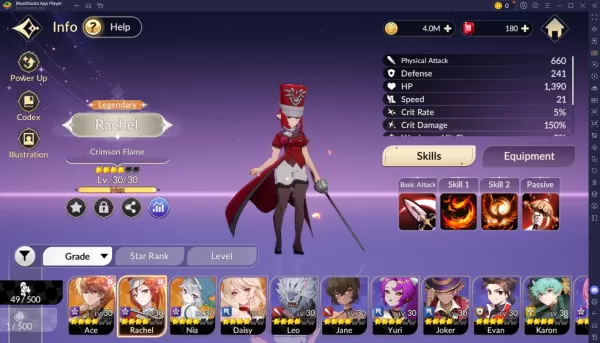
Seven Knights: Boost Combat Power with Hero Training
Seven Knights Re:BIRTH, the direct sequel to the beloved turn-based RPG Seven Knights, has just launched worldwide and is already winning praise for its vibrant animations, strategic combat, and deep resource-gathering systems. At its heart, the game
Walmart's GeForce Week Sale Sees the First Ever Discounts on Nvidia RTX 50 Series Graphics Cards
Walmart has launched an exclusive "GeForce Week" sale, marking the first time ever that select GeForce RTX 50 series graphics cards are priced below MSRP. For months, these new Nvidia GPUs were sold at steep premiums due to high demand, limited stock
Konami Livestream: Metal Gear Solid Delta, Silent Hill f Details Revealed This Week
Play I'm particularly hopeful that Konami’s mention of "and more" will include No Code’s Silent Hill Townfall. It’s been years since we’ve received meaningful updates, and I’m eager to learn more. I’m also still waiting for news on future remakes or
Black Ops 7 Rating Hints at Premium Content Continuation
Call of Duty fans think they've found evidence suggesting that Call of Duty: Black Ops 7 will let players transfer their cosmetic skins from Black Ops 6.The ESRB rating has confirmed Black Ops 7 will be rated M for Mature 17+ and release on PC, PS5,
Latest Games

Color a Day
Board丨40.98MB

Streamer Rush
Simulation丨142.21MB
Golf Solitaire
Card丨17.96MB

The Better Deal
Casual丨262.60M
Cooking Express Cooking Games
Arcade丨107.18MB

Hắc Ảnh Vệ Thần - Gamota
Role Playing丨145.30M

Snow Cone Maker
Educational丨24.17MB










Top News
MORE +

01
01-07
BREAKING: Flight Simulator 2024 Login Woes Ground Players
Flight Simulator 2024 Launch Plagued by Technical Difficulties
The highly anticipated launch of Flight Simulator 2024 has been significantly hampered by widespread technical problems, leaving many players grounded before they could even take to the virtual skies. This article details the reported d
02
01-06
CDPR acknowledged weak gameplay in The Witcher 3
The Witcher 3, while critically acclaimed, wasn't without its flaws. Many fans felt the combat system fell short.
In a recent interview, Witcher 4's game director, Sebastian Kalemba, acknowledged weaknesses in the previous game's gameplay, specifically highlighting the need for significant improvem
03
11-17
Hogwarts Legacy 2 is "One of the Biggest Priorities" for WB Games
Following the successful launch of Quidditch Champions this week, Warner Bros. Discovery has confirmed its plans for a sequel to last year's Harry Potter-based action RPG hit Hogwarts Legacy—2023's best-selling game.Hogwarts Legacy Sequel Plans Confirmed by Warner Bros. DiscoveryExpected in
04
11-16
Airplane Chefs Brings The Ultimate Snack, Pringles, On Board!
Buckle up for some snacks as Nordcurrent has just dropped an exciting event for their cooking game. It’s the most unexpected collab of Airplane Chefs and Pringles. If you’ve been enjoying your virtual life as a flight attendant, things are about to get a lot tastier.The game developer behind p
05
11-16
Play Together to collaborate with Sanrio and introduce new My Melody and Kuromi content
Play Together is bringing back its Sanrio collab with the appearance of My Melody and KuromiYou can collect coins by completing their themed missions that can then be used to draw exclusive itemsAs a bonus there's also new summer-themed content and events, including a major bug huntPlay Together, th
Topics
More +