"Monster Hunter Weapons: A Historical Overview"
Author : Lucas
Apr 08,2025
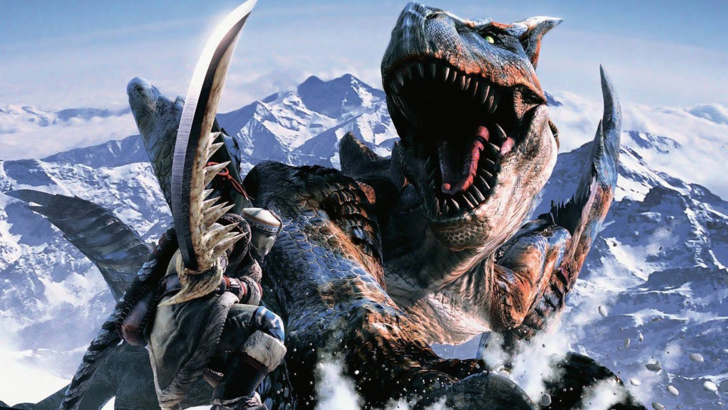
Monster Hunter is renowned for its diverse weapon types and engaging gameplay, but did you know that some weapons from older games haven't made it to the newer releases? Dive into the rich history of Monster Hunter weapons and discover more.
← Return to Monster Hunter Wilds' main article
History of Weapon Types in Monster Hunter
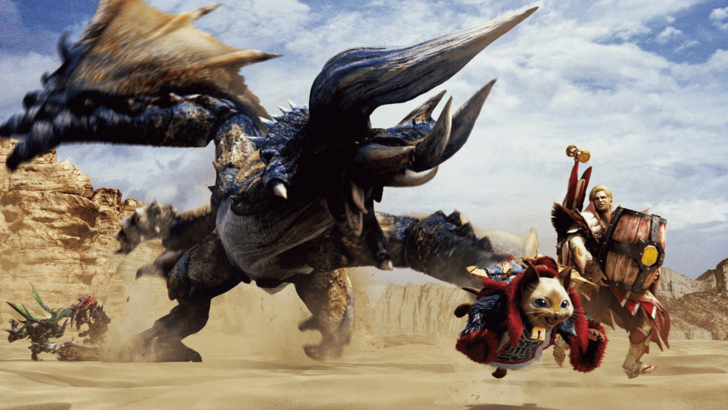
Monster Hunter has been captivating gamers for over two decades since its debut in 2004. One of its standout features is the wide variety of weapon types available, each with unique strengths, weaknesses, movesets, and mechanics. Monster Hunter Wilds will include fourteen different weapon types, each requiring players to master their intricacies.
The evolution of these weapons is remarkable. For instance, the Great Sword from its initial version to the latest is vastly different. Moreover, there are weapons from older games that were never released in the West. Let's explore the history of Monster Hunter, focusing on the evolution of these crucial tools: the weapons.
First Generation
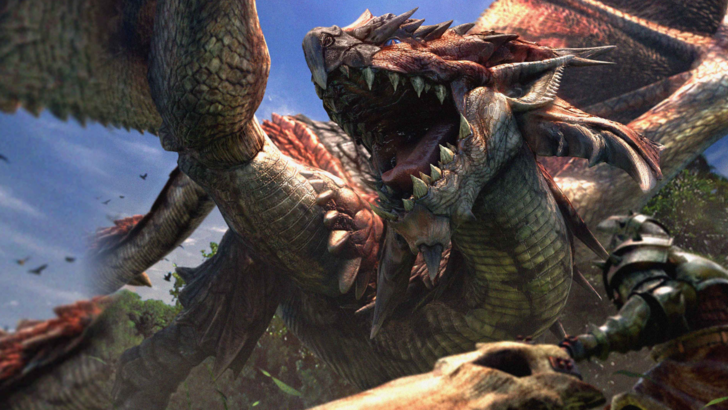
The first generation introduced weapons that have become iconic within the series. These original weapons have evolved significantly over time, adapting new movesets, mechanics, and enhancements.
Great Sword
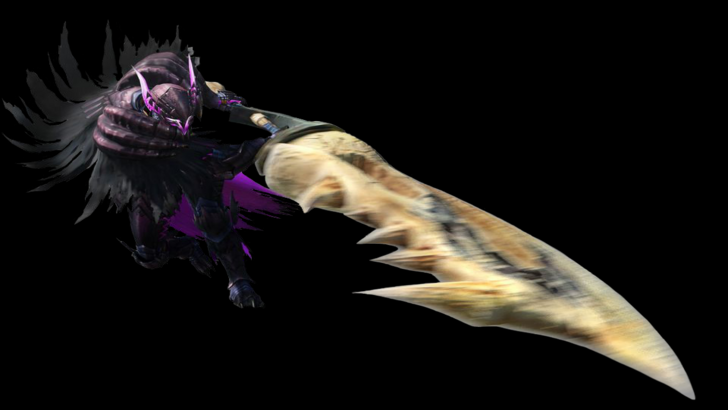
The Great Sword, introduced in 2004, is perhaps the most iconic weapon in Monster Hunter. Known for its high damage output, it requires strategic timing due to its slow movement. In the original game, the weapon's design focused on hit-and-run tactics, with a unique feature where the middle of the blade dealt more damage than the tip or hilt.
Monster Hunter 2 introduced the Charged Slash, a move that became a staple for the weapon. Subsequent games expanded on this by adding more finishers and improving the flow of combos. In Monster Hunter World, the shoulder tackle attack allowed for quicker access to charged attacks, enhancing its versatility.
The Great Sword is accessible to beginners but offers a high skill ceiling, rewarding players who can master its timing and maximize the True Charged Slash in smaller openings.
Sword and Shield
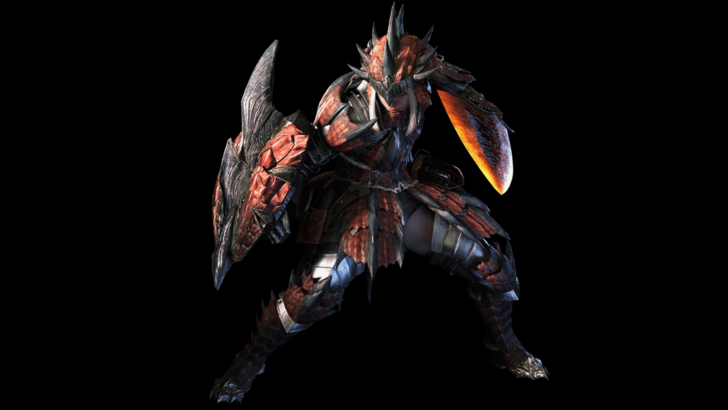
The Sword and Shield is the epitome of versatility, offering balanced damage, quick combos, mobility, and the ability to block. Initially considered a beginner-friendly weapon, it has grown more complex with each iteration.
In its first version, the focus was on quick slashes and mobility. Monster Hunter 2 added the ability to use items without sheathing the weapon. Later games introduced shield bash combos, backstep and jumping attacks, and the Perfect Rush combo in Monster Hunter World and Monster Hunter Rise.
Despite its low damage per hit, the Sword and Shield excels as a jack-of-all-trades, offering an infinite combo, built-in evasiveness, and strong finishers, making it a surprisingly deep weapon.
Hammer
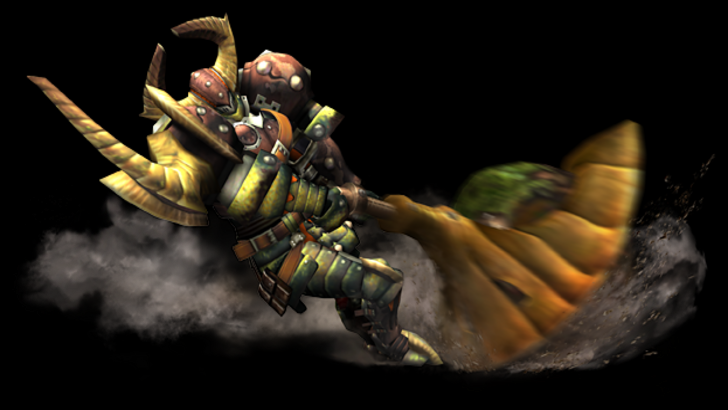
The Hammer, a blunt damage weapon, specializes in breaking parts and knocking out monsters. Its identity as the king of KOs was solidified after Monster Hunter 2.
Similar to the Great Sword, the Hammer's playstyle involves hit-and-run tactics, but it offers higher mobility and a unique charge mechanic that allows movement during charging. The weapon's moveset has remained mostly consistent, with significant changes in Monster Hunter World and Rise, introducing the Big Bang and Spinning Bludgeon attacks.
The Hammer's effectiveness hinges on targeting the monster's head to maximize stun potential, making it a rewarding weapon for those who master its use.
Lance
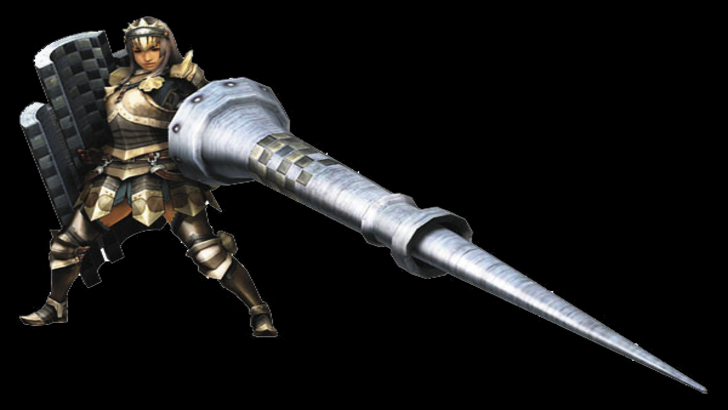
The Lance embodies the principle that a good offense is a great defense. It offers long reach and a large shield for blocking, making it the king of defense. Its playstyle focuses on poking from a distance while maintaining a strong guard.
The Lance's main attacks include forward and upward thrusts, which can be chained up to three times. Its design evolved with the introduction of a Counter mechanic, reinforcing its outboxer identity. The weapon turns hunters into tanks, offering high damage output despite its limited mobility.
Light Bowgun
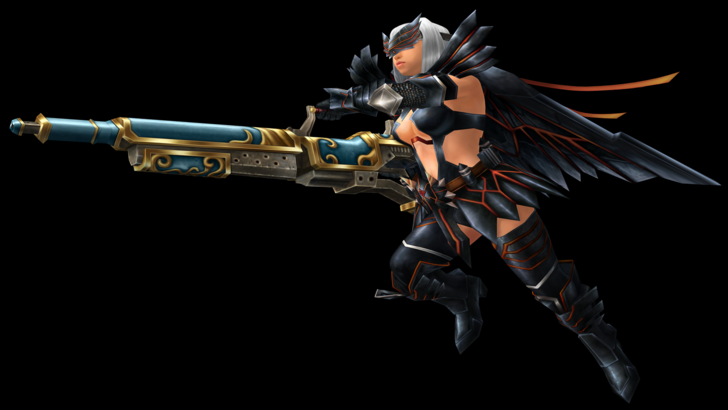
The Light Bowgun, a ranged weapon from the first generation, excels in mobility and faster reload speeds. Its smaller size allows for easier handling and theoretically safer gameplay.
While it sacrifices firepower for mobility, the Light Bowgun can be customized with attachments like long barrels and scopes. It specializes in Rapid Fire, allowing it to outshine other ranged weapons despite its ammunition limitations.
Monster Hunter 4 introduced the Critical Distance mechanic, adding depth to ranged gameplay. Monster Hunter World added the Wyvernblast, enhancing its offensive capabilities and mobility.
Heavy Bowgun
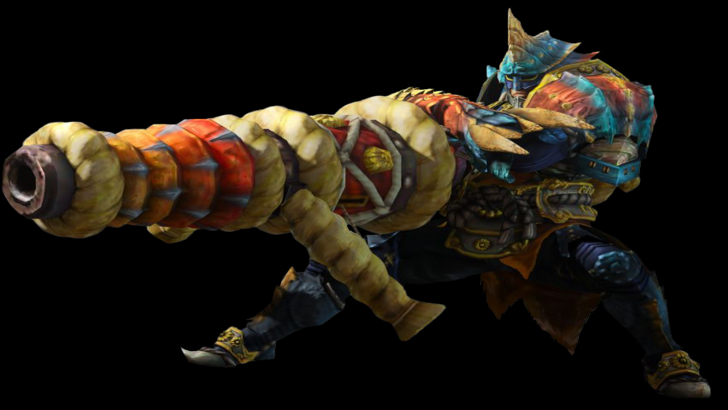
The Heavy Bowgun, introduced in the first generation, offers high damage and versatility with its ability to use various special ammunitions. However, its size and weight limit mobility.
Unlike the Light Bowgun, the Heavy Bowgun focuses on flexibility, allowing hunters to carry more ammunition types. Monster Hunter 3 introduced Siege Mode, and Monster Hunter World added special ammo types like Wyvernheart and Wyvernsnipe.
Both bowguns require preparation, as ammunition must be crafted during hunts. The Heavy Bowgun remains a powerhouse for those who can manage its slower pace and limited mobility.
Dual Blades
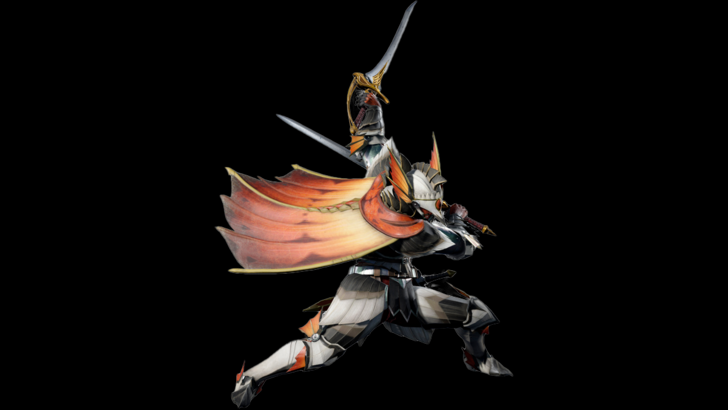
The Dual Blades, known for their speed and ability to inflict status ailments and elemental damage, were introduced in the Western release of the first game. They emphasize speed and fluid combos, outranking the Sword and Shield in pure offense.
The weapon's core mechanic is Demon Mode, which increases damage and offers additional attacks at the cost of stamina. Monster Hunter Portable 3rd and 3 Ultimate introduced the Demon Gauge and Archdemon Mode, allowing access to new attacks without stamina drain.
The Dual Blades' Demon Dash enhances mobility, and later games added perfect dodge mechanics, further refining its aggressive playstyle.
Second Generation
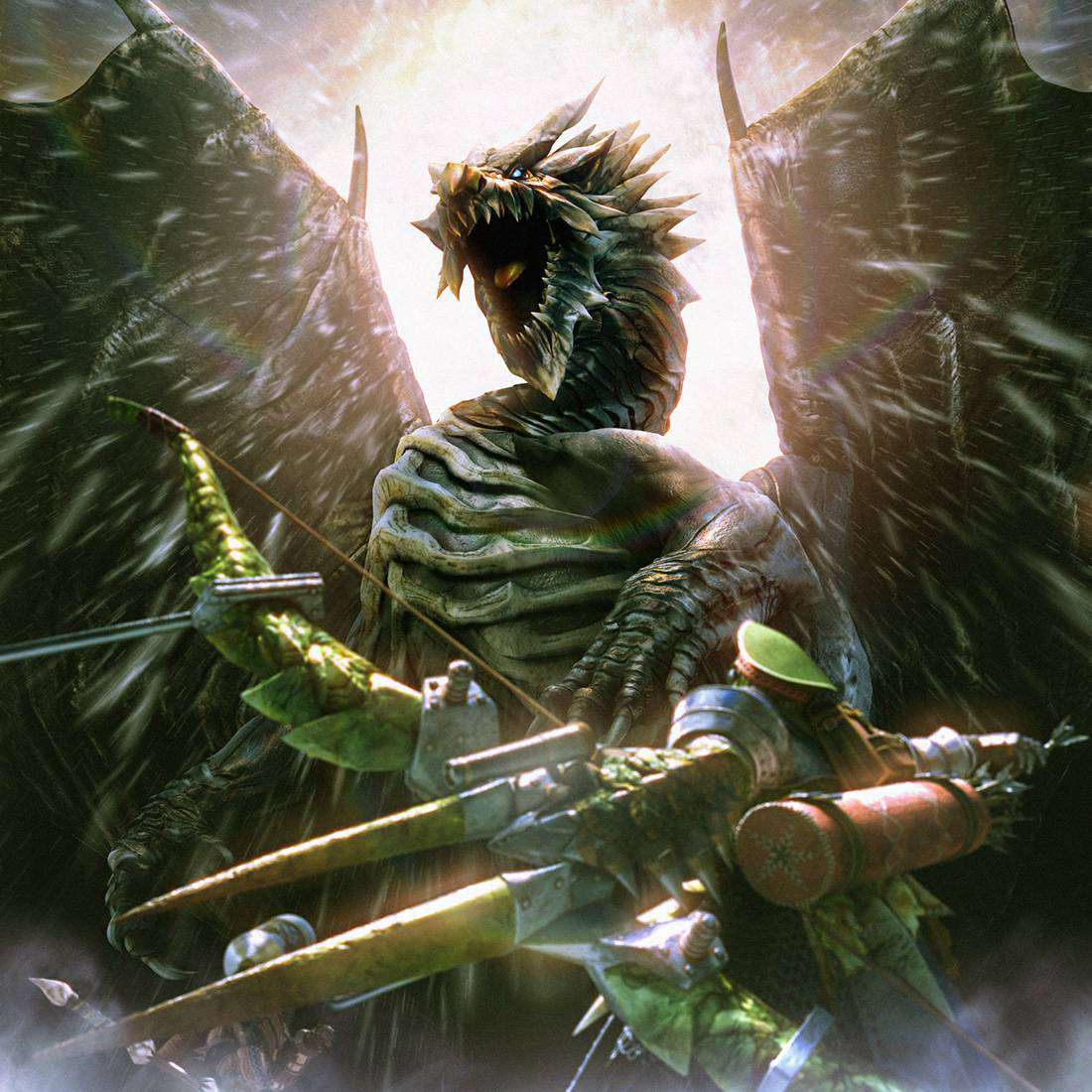
The second generation introduced new weapons that built upon the originals, offering unique movesets and mechanics.
Long Sword
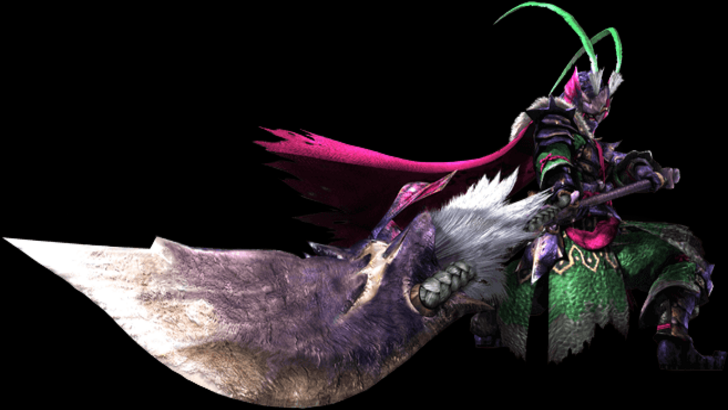
The Long Sword, introduced in Monster Hunter 2, is known for its fluid combos and high mobility. It lacks the ability to block but compensates with the Spirit Gauge mechanic, which fills by landing attacks and allows access to the powerful Spirit Combo.
Monster Hunter 3 introduced new levels to the Spirit Gauge, culminating in the Spirit Roundslash finisher. Monster Hunter World added the Spirit Thrust Helm Breaker and the Foresight Slash parry, enhancing its combo flow. Iceborne introduced the Iai Stance, allowing for quicker Spirit Gauge maxing and additional parry options.
The Long Sword's evolution has transformed it into a dynamic weapon, focusing on counters and seamless combo transitions.
Hunting Horn
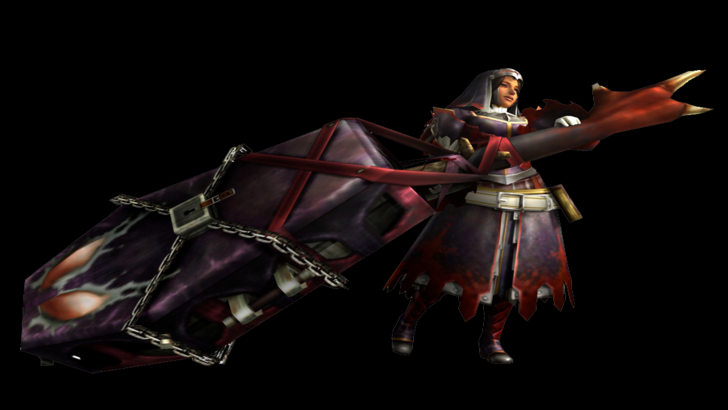
The Hunting Horn, introduced in Monster Hunter 2, is a support weapon that deals impact damage and uses the Recital mechanic to play songs that provide beneficial effects.
Initially, songs had to be played during Recital, but Monster Hunter 3 Ultimate allowed notes to be played while attacking. Monster Hunter World introduced song queuing, and Iceborne added Echo Notes, enhancing the weapon's fluidity and effectiveness.
Monster Hunter Rise overhauled the weapon, simplifying its mechanics by reducing the song list and automating buffs, making it more accessible but less intricate.
Gunlance
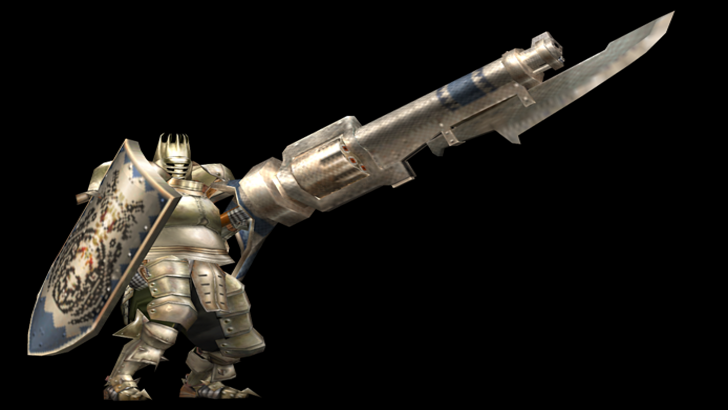
The Gunlance, introduced in the second generation, combines elements of the Lance and Bowgun, offering explosive rounds alongside piercing attacks. Its gameplay revolves around using Shelling Abilities, with unlimited ammunition that regenerates upon reloading.
Monster Hunter 3 introduced a quick reload mechanic and the Full Burst attack, enhancing its aggressive playstyle. Monster Hunter X added the Heat Gauge, requiring hunters to balance Shelling use to maximize damage. Monster Hunter World introduced the Wyrmstake Shot finisher, further refining its unique mechanics.
The Gunlance's balance of offense and defense, along with its unique reloading mechanics, sets it apart from other melee weapons.
Bow
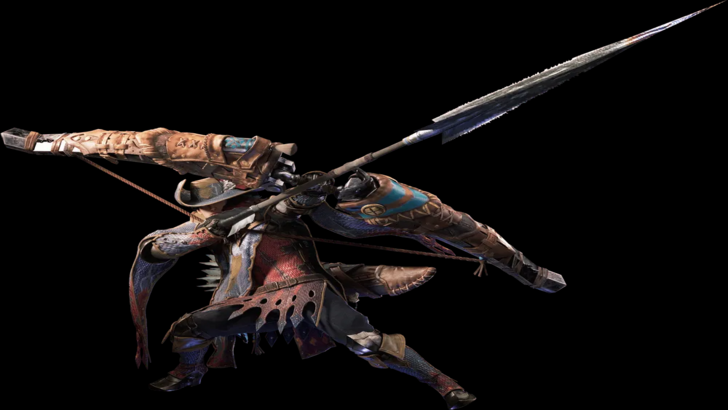
The Bow, introduced in Monster Hunter 2, is the most agile ranged weapon, focusing on close-to-mid-range combat and using Coatings for enhanced effects. Its mobility and fluid combos are its key strengths.
While older games introduced Shot Types, Monster Hunter World streamlined its moveset, making it more combo-heavy and universal. Monster Hunter Rise reintroduced Shot Types, tying them to charge levels.
The Bow's aggressive playstyle and unique finishers distinguish it from other ranged weapons, offering a dynamic and engaging experience.
Third and Fourth Generation
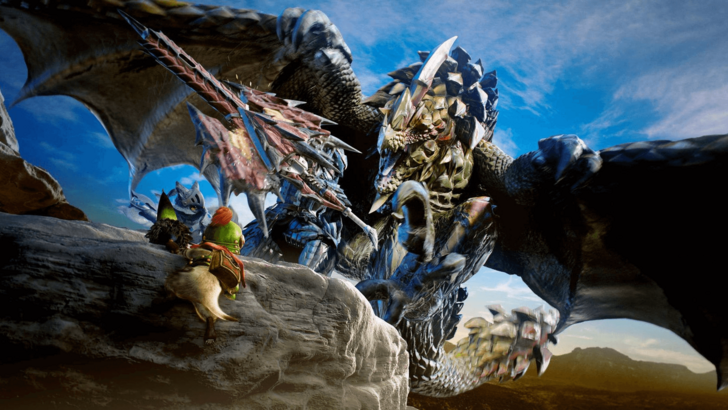
The third and fourth generations introduced weapons with unique mechanics, such as morphing and buff collection.
Switch Axe
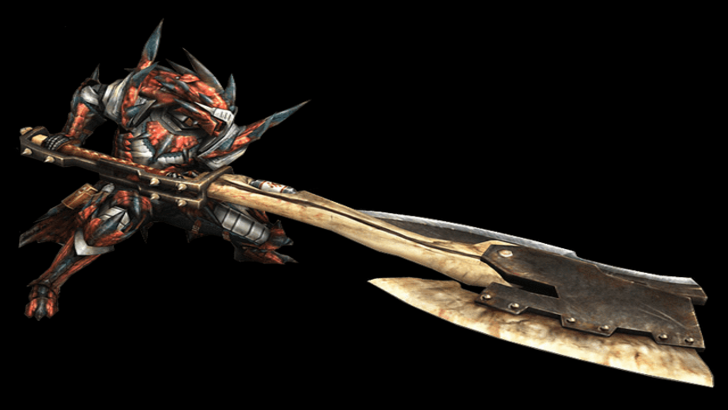
The Switch Axe, introduced in Monster Hunter 3, offers two modes: Axe Mode for mobility and reach, and Sword Mode for higher damage and Elemental Discharge finishers. Initially, players had to complete a quest to unlock it, but it became available from the start in later versions.
Monster Hunter World introduced the Amped state, empowering Sword Mode with phials. Monster Hunter Rise extended this to both forms, encouraging seamless transitions during combat.
The Switch Axe's form-swapping mechanics add a unique layer of strategy and excitement to the gameplay.
Insect Glaive
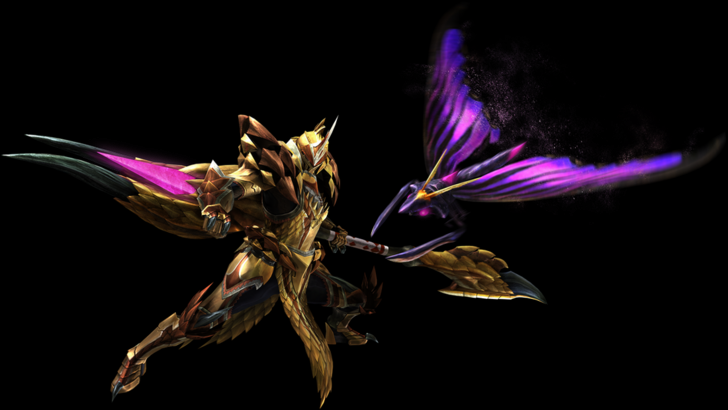
The Insect Glaive, introduced in Monster Hunter 4, is known for its aerial supremacy and the use of a Kinsect to collect essences for buffs. These essences, red, white, and orange, enhance attack, mobility, and defense, respectively.
The weapon's core gameplay involves quickly collecting these essences to enter its strongest state. Monster Hunter World: Iceborne added the Descending Thrust finisher, enhancing its aerial capabilities. Monster Hunter Rise simplified the upgrade system and introduced more Kinsect types.
The Insect Glaive's unique mechanics and aerial prowess make it a standout weapon in the series.
Charge Blade
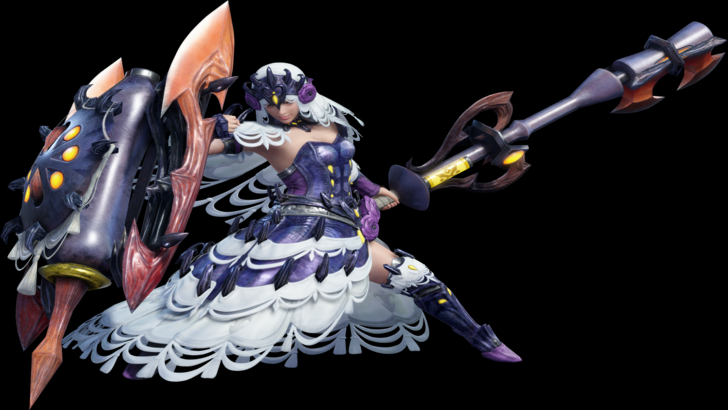
The Charge Blade, introduced in Monster Hunter 4, is a versatile weapon with Sword and Axe modes. Sword Mode charges phials, while Axe Mode unleashes them with the Amped Elemental Discharge. Known for its complexity, it rewards mastery with powerful finishers.
The weapon's mechanics revolve around Guard Points, which allow for phial charging while blocking. Transitioning between modes and understanding monster behavior are crucial for effective use.
The Charge Blade's depth and versatility make it one of the most rewarding weapons to master in the series.
Will There Be More?
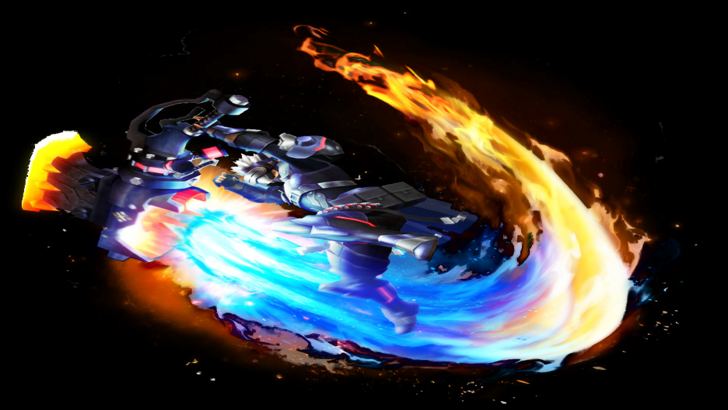
While Monster Hunter Wilds will feature the fourteen weapons mentioned, there are more from previous games that haven't been included in Western releases. Given the series' longevity, future games may introduce new weapons or bring back existing ones from older titles. As a fan, I'm excited to see how the series will continue to evolve, even if I find myself returning to the Sword and Shield time and again.
You may also like...
Latest Articles

The $13 FrSara Portable Neck Fan Is an Inexpensive Solution to Beating the Summer Heat
Summer has arrived, and neck fans are seeing a surge in popularity. These portable fans offer a simple, effective, and affordable way to stay cool and comfortable. Amazon is currently offering 50% off the FrSara Rechargeable Portable Neck Fan with th
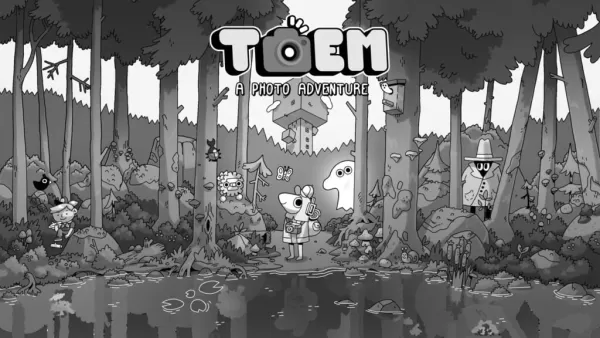
Hand-Drawn Photography Adventure Game TOEM Opens Pre-Registration on Mobile
BAFTA-winning title TOEM: A Photo Adventure arrives on mobile devices worldwide.
Developed by Swedish indie studio Something We Made, pre-registration for TOEM is now available on Android. The official release date is set for October 22nd.
Fun fact:
Mutants: Genesis Hits iOS, Android, Steam After Early Access
Clash Royale players finally get to witness the highly anticipated evolution of the Inferno Dragon. After nearly a decade without an upgrade, this fiery Legendary card receives a powerful transformation. The developers at Supercell teamed up with Fin

Pokemon GO Road Trip 2025 Details, Summer Pikachu Available
Experience Pokémon GO Road Trip Truck stops in the gameFind Wooloo, Phanpy, and Alolan Geodude in the wildSummer-style Pikachu makes a special appearanceIf today's new details don't get you excited for the Pokemon GO Road Trip 2025, nothing will. Thi
PlayStation Stars Shuts Down After 3 Years
Sony has announced the discontinuation of its PlayStation Stars loyalty program less than three years after its introduction.The rewards initiative stopped accepting new members today, with exiting participants unable to rejoin. Canceling membership

Mastering Cooking in Ragnarok X: Next Generation
Cooking in Ragnarok X: Next Generation is a dynamic system that enhances combat, resource gathering, and character progression. Preparing dishes grants temporary boosts, improving dungeon survivabilit
Latest Games
Exploding Kittens NETFLIX
Card丨495.4 MB
Batak Master
Card丨12.9 MB
Star Realms
Card丨94.2 MB
ChinChón Zingplay Juego Online
Card丨172.1 MB
Gin Rummy Super - Card Game
Card丨106.4 MB

Aftermagic
Card丨135.5 MB

Shanghai Chinese Chess Mahjong
Casino丨12.0 MB

Keno 20 Card
Casino丨43.2 MB









Top News
MORE +

01
01-06
CDPR acknowledged weak gameplay in The Witcher 3
The Witcher 3, while critically acclaimed, wasn't without its flaws. Many fans felt the combat system fell short.
In a recent interview, Witcher 4's game director, Sebastian Kalemba, acknowledged weaknesses in the previous game's gameplay, specifically highlighting the need for significant improvem
02
01-07
BREAKING: Flight Simulator 2024 Login Woes Ground Players
Flight Simulator 2024 Launch Plagued by Technical Difficulties
The highly anticipated launch of Flight Simulator 2024 has been significantly hampered by widespread technical problems, leaving many players grounded before they could even take to the virtual skies. This article details the reported d
03
11-17
Hogwarts Legacy 2 is "One of the Biggest Priorities" for WB Games
Following the successful launch of Quidditch Champions this week, Warner Bros. Discovery has confirmed its plans for a sequel to last year's Harry Potter-based action RPG hit Hogwarts Legacy—2023's best-selling game.Hogwarts Legacy Sequel Plans Confirmed by Warner Bros. DiscoveryExpected in
04
11-16
Airplane Chefs Brings The Ultimate Snack, Pringles, On Board!
Buckle up for some snacks as Nordcurrent has just dropped an exciting event for their cooking game. It’s the most unexpected collab of Airplane Chefs and Pringles. If you’ve been enjoying your virtual life as a flight attendant, things are about to get a lot tastier.The game developer behind p
05
11-16
Play Together to collaborate with Sanrio and introduce new My Melody and Kuromi content
Play Together is bringing back its Sanrio collab with the appearance of My Melody and KuromiYou can collect coins by completing their themed missions that can then be used to draw exclusive itemsAs a bonus there's also new summer-themed content and events, including a major bug huntPlay Together, th
Topics
More +