Don't Wait For Fable, Play Fable 2 Instead
Author : Lucas
Mar 15,2025
Buried within this week's Xbox Podcast was exciting, albeit bittersweet, news about Playground Games' Fable. A rare glimpse of gameplay was revealed, but unfortunately, accompanied by a delay. Initially slated for release this year, Fable is now set for 2026.
While delays are rarely welcome, they often signal a commitment to quality. Hopefully, this extra time allows Fable's richly detailed world to fully flourish. In the meantime, there's no better way to spend the wait than revisiting the Fable games, particularly Fable 2—a series high point and a truly unique RPG.
By today's standards, Fable 2 is remarkably unusual. Even compared to its 2008 contemporaries (Fallout 3 and early BioWare 3D titles), its vision stands apart. While boasting a traditional campaign structure with a linear main story and optional side quests, its RPG systems are refreshingly streamlined. Forget complex stat blocks; Fable 2's accessibility is remarkable.Only six main skills govern health, strength, and speed. Weapon damage is the sole stat to consider, with no equivalent for armor or accessories. Combat, while frequent, is surprisingly straightforward, enhanced by creative spellcasting (like the delightful Chaos spell). Even death is inconsequential, resulting in only a minor XP penalty.
Fable 2 is the perfect RPG for RPG newcomers. In 2008, Oblivion's vast world could feel overwhelming. Fable 2's Albion, however, offered manageable, easily navigable maps. Players freely traverse these areas, aided by a loyal canine companion, uncovering hidden treasures, caves, and challenging Demon Doors. This creates a sense of scale exceeding the game's actual size. Albion's geography is restrictive, guiding players along linear paths. It's not a world designed for getting lost in the traditional sense.
Albion pales in comparison to the expansive worlds of BioWare's Infinity Engine games and Morrowind. However, judging it against modern or contemporary expectations is unfair. Fable 2 prioritizes a vibrant, bustling world over sheer size. Consider it akin to The Sims—a remarkable societal simulation.
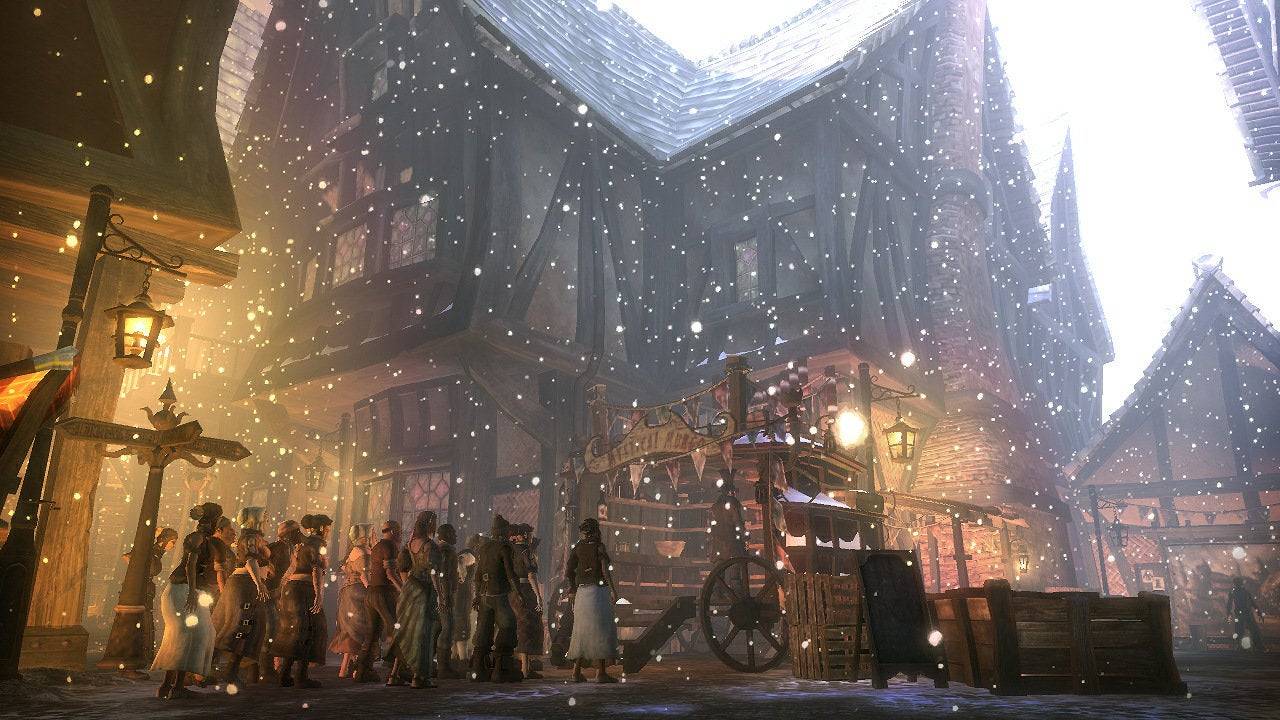
While the player is a hero destined for grand adventures, Fable 2 shines when integrating into its society. Properties (houses and shops) are purchasable, and jobs (woodcutting, blacksmithing) provide income. Players can become landlords or furnish their homes. Romance is also possible, leading to marriage and even parenthood. The individual elements feel artificial, yet the overall effect creates a remarkably authentic sense of life.
A well-executed fart might elicit laughter in a pub. Few RPGs have replicated this. Even Baldur's Gate 3 lacks Fable 2's organic romances and property market. However, Red Dead Redemption 2 offers a similar, albeit more refined, approach. Rockstar's game features incredibly responsive NPCs who react authentically. A system reminiscent of Fable 2's gestures allows for varied interactions. Meaningful interactions, such as saving someone from a snakebite, can have lasting consequences. If Playground's Fable wishes to stay true to its roots, Red Dead Redemption 2 should serve as its modern touchstone, rather than current tabletop-inspired RPGs.
Other crucial elements need preserving: Fable's British humor, witty satire of the class system, and a memorable cast of characters (already evident with Richard Ayoade and Matt King in trailers). Most importantly, Lionhead's approach to good and evil must remain.
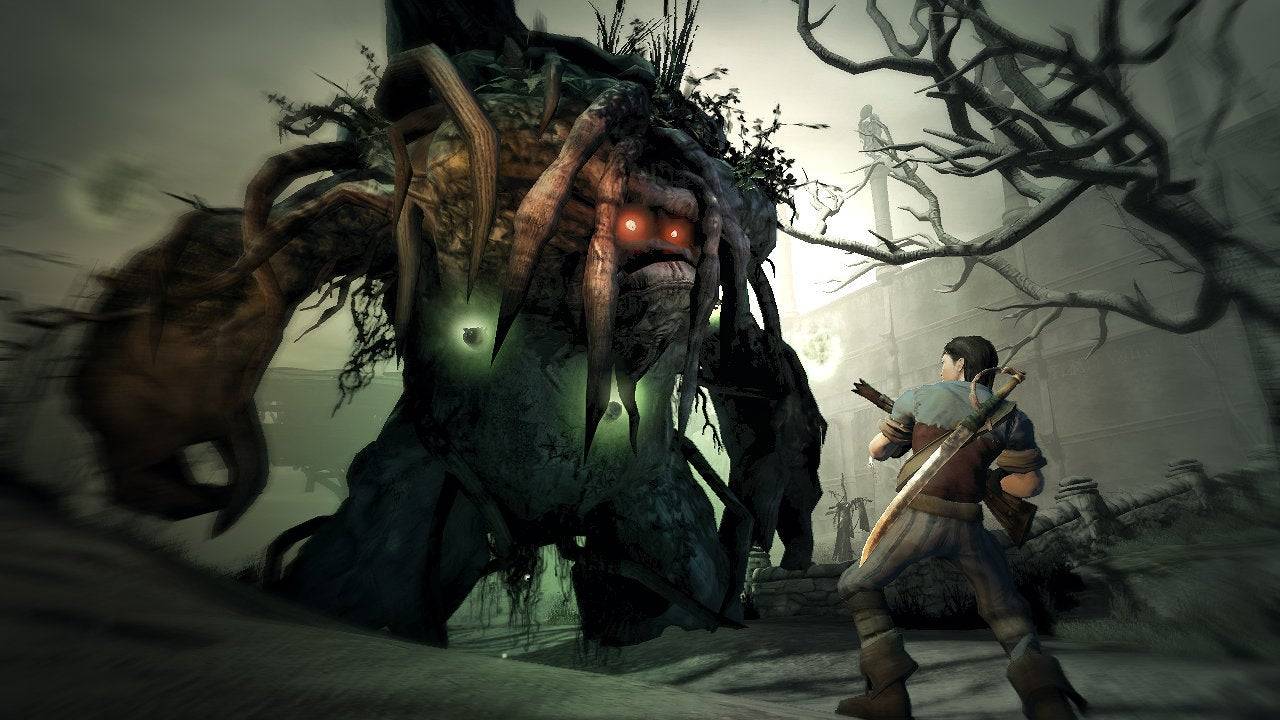
Modern RPGs prioritize player expression through nuanced choices. Moral dilemmas are complex, unlike the simple choice between saving or harming children. Fable thrives on this binary, allowing players to become the most heroic hero or the vilest villain. The first game showed this with devil horns for evil choices, but Fable 2 perfected it. The branching quests and reactive world shape reputation and alignment. Moral choices in RPGs often feel underwhelming due to focus on the middle ground, making true evil feel unsatisfying. Fable 2 embraces the extremes, allowing players to go full Sith.
Playground Games' success in capturing this aspect remains uncertain. The recent gameplay footage showed a more detailed world than previous entries, with less restriction and a beautifully rendered forest. A brief city shot, dense and full of life, hints at a Sims-like societal simulation. The prospect of interacting with its citizens is exciting.However, all this is a year away. In the meantime, revisiting Fable 2 is highly recommended. It's crucial that Playground Games retains Fable's unique oddities. We don't need a Witcher, Baldur's Gate, or Dragon Age clone. We need Fable to be Fable, in all its glory.
Latest Articles
Goblin Valley: Cozy Home Game Opens Pre-Registration
Build and expand your thriving goblin farm villageInteract with quirky goblins, each with unique personalitiesMonitor and fulfill your goblin residents' needsUnimob Global has recently launched pre-registrations for Idle Goblin Valley: Chill Farm, of

Heartopia is kicking off its first closed beta test next month
The initial CBT runs from November 4th through the 18thEngage in hobbies such as fishing, birdwatching, and cookingAdopt pets, customize your home interior, and design unique outfitsHeartopia, XD Games’ highly anticipated life simulation title announ
Summoners War set to host collaboration with the iconic fantasy book series The Lord of the Rings
Summoners War: Sky Arena has teamed up with none other than The Lord of the Rings.
Set to launch later this month, the collaboration brings iconic characters from the Fellowship and beyond into the game.
The Lord of the Rings needs no introduction—it
Another Eden expands its Chrono Cross collaboration content with Glenn and new story
Another Eden is introducing fresh content to its existing Chrono Cross collaboration materialThe release includes a beloved character named Glenn from The Cursed DragoonA new character and upcoming events are also being added to honor Japan Cat DayAl

The $13 FrSara Portable Neck Fan Is an Inexpensive Solution to Beating the Summer Heat
Summer has arrived, and neck fans are seeing a surge in popularity. These portable fans offer a simple, effective, and affordable way to stay cool and comfortable. Amazon is currently offering 50% off the FrSara Rechargeable Portable Neck Fan with th
Hand-Drawn Photography Adventure Game TOEM Opens Pre-Registration on Mobile
BAFTA-winning title TOEM: A Photo Adventure arrives on mobile devices worldwide.
Developed by Swedish indie studio Something We Made, pre-registration for TOEM is now available on Android. The official release date is set for October 22nd.
Fun fact:
Latest Games

Piano Star
Music丨88.3 MB

XTrem Racing
Racing丨140.1 MB
Jeep Drive : Cherokee SRT8
Racing丨91.2 MB

Zombie Derby
Racing丨53.0 MB
2114 LADA Russian Streets Drag
Racing丨122.9 MB
Chiron Bugatti Supercar Extra
Racing丨96.6 MB
Lada 2110 Special Unit Race
Racing丨124.3 MB

المهجول: هجولة ودرفت
Racing丨468.3 MB








Top News
MORE +

01
01-06
CDPR acknowledged weak gameplay in The Witcher 3
The Witcher 3, while critically acclaimed, wasn't without its flaws. Many fans felt the combat system fell short.
In a recent interview, Witcher 4's game director, Sebastian Kalemba, acknowledged weaknesses in the previous game's gameplay, specifically highlighting the need for significant improvem
02
01-07
BREAKING: Flight Simulator 2024 Login Woes Ground Players
Flight Simulator 2024 Launch Plagued by Technical Difficulties
The highly anticipated launch of Flight Simulator 2024 has been significantly hampered by widespread technical problems, leaving many players grounded before they could even take to the virtual skies. This article details the reported d
03
11-17
Hogwarts Legacy 2 is "One of the Biggest Priorities" for WB Games
Following the successful launch of Quidditch Champions this week, Warner Bros. Discovery has confirmed its plans for a sequel to last year's Harry Potter-based action RPG hit Hogwarts Legacy—2023's best-selling game.Hogwarts Legacy Sequel Plans Confirmed by Warner Bros. DiscoveryExpected in
04
11-16
Airplane Chefs Brings The Ultimate Snack, Pringles, On Board!
Buckle up for some snacks as Nordcurrent has just dropped an exciting event for their cooking game. It’s the most unexpected collab of Airplane Chefs and Pringles. If you’ve been enjoying your virtual life as a flight attendant, things are about to get a lot tastier.The game developer behind p
05
11-16
Play Together to collaborate with Sanrio and introduce new My Melody and Kuromi content
Play Together is bringing back its Sanrio collab with the appearance of My Melody and KuromiYou can collect coins by completing their themed missions that can then be used to draw exclusive itemsAs a bonus there's also new summer-themed content and events, including a major bug huntPlay Together, th
Topics
More +