Reinvention Is Key to God of Wars’ Continued Success
Author : Allison
Mar 18,2025
The God of War series has been a PlayStation mainstay for four console generations. Kratos' vengeful journey, beginning in 2005, has defied expectations, thriving where other long-running franchises faltered. This longevity stems from a willingness to evolve. The pivotal 2018 reboot, transplanting Kratos from Ancient Greece to Norse mythology, dramatically altered the series' presentation and gameplay. However, even before this acclaimed shift, developer Sony Santa Monica subtly refined the series, ensuring its survival.
Future success hinges on reinvention. Director Cory Barlog hinted at potential Egyptian or Mayan settings, fueling speculation, particularly given Ancient Egypt's rich mythology. But a new setting is only the beginning; God of War must reinvent itself, building upon the strengths of the Greek trilogy while enhancing them, much as it did in transitioning to the Norse games.
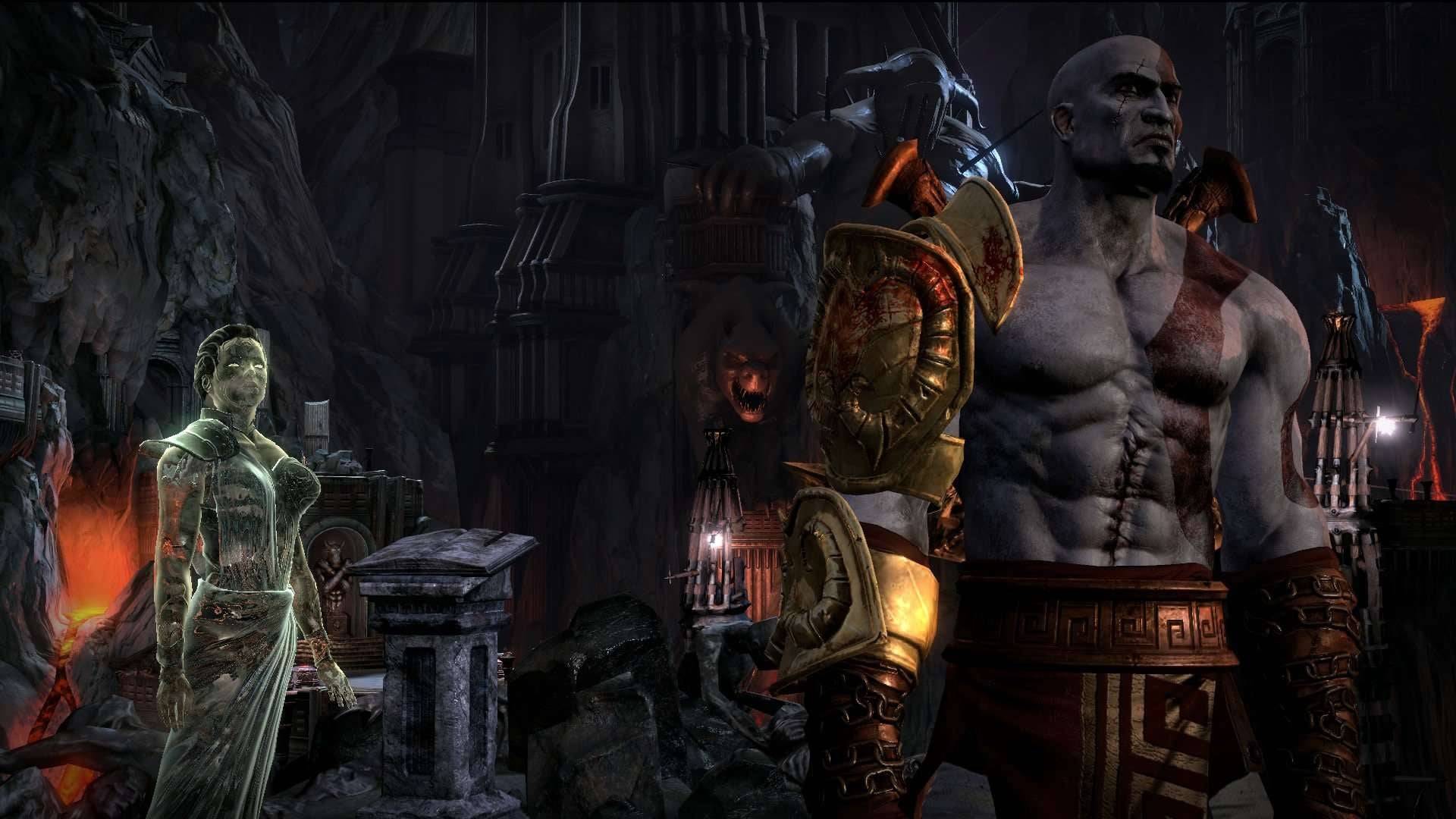
The Greek trilogy, spanning a decade, progressively refined its hack-and-slash combat. God of War 3, built for the PlayStation 3's enhanced power, featured a refined magic system complementing melee combat and introduced more challenging enemies. Improved camera angles showcased the game's graphical prowess.
The reboot, however, sacrificed some elements. The Greek trilogy's platforming and puzzles were largely removed in the Norse games due to the shift to a third-person, over-the-shoulder camera perspective. Puzzles persisted, but were redesigned for the new adventure-focused approach.
Valhalla, the God of War Ragnarök DLC, notably resurrected battle arenas, a feature from the original trilogy, adapted for the Norse setting. This mirrored the narrative, seeing Kratos confront his past in Valhalla, bringing his story full circle.
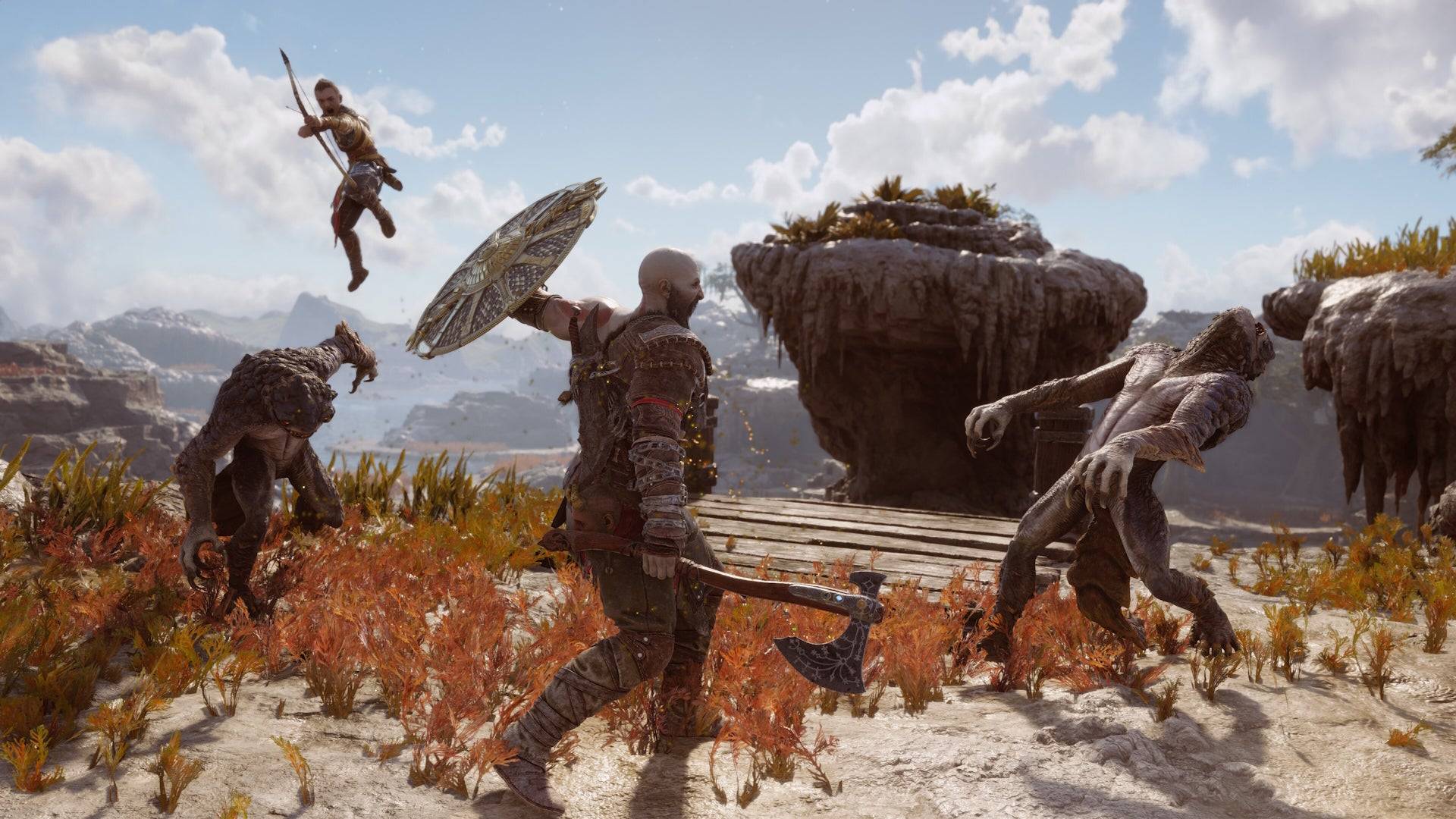
Beyond reinterpreted elements, the Norse games introduced innovations: the Leviathan Axe's throwing mechanics, a parry system enhanced by various shields, and Ragnarök's faster-paced magical spear combat. These tools facilitated exploration across the Nine Realms, each with unique challenges and aesthetics.
The most significant difference lies in storytelling. The Norse duology delves into Kratos' grief and his complex relationship with Atreus, a stark contrast to the original trilogy's more brutal narrative. This emotive approach significantly contributed to the Norse era's success.
God of War's evolution demonstrates a unique approach to franchising. The Norse games aren't sequels, but extensions of Kratos' journey. This philosophy should guide future installments.
However, reinvention isn't guaranteed success. Assassin's Creed, despite frequent changes, hasn't maintained consistent fan engagement across generations. Its shift to an open-world RPG format, while profitable, diluted its core lore and led to criticism regarding content bloat. Recent attempts to course-correct, with Assassin's Creed Mirage and Shadows of Liberty, aim to recapture the series' original appeal.
AnswerSee ResultsGod of War's success lies in its careful evolution. The Norse games, while radically different, retained Kratos' core appeal and the series' foundational combat. New additions, like enhanced Rage options, weapons, and expanded combat, built upon existing strengths without sacrificing identity. Future installments must continue this approach, deepening lore rather than discarding it.
Regardless of setting, future God of War games must maintain the series' winning formula. While the Norse games prioritized combat, future iterations will likely be judged on their storytelling, a key element of their success. Building upon Kratos' character development, while simultaneously introducing bold new elements, will be crucial for continued success.
Latest Articles
Goblin Valley: Cozy Home Game Opens Pre-Registration
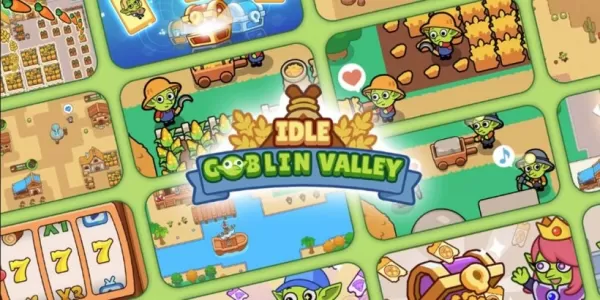
Build and expand your thriving goblin farm villageInteract with quirky goblins, each with unique personalitiesMonitor and fulfill your goblin residents' needsUnimob Global has recently launched pre-registrations for Idle Goblin Valley: Chill Farm, of
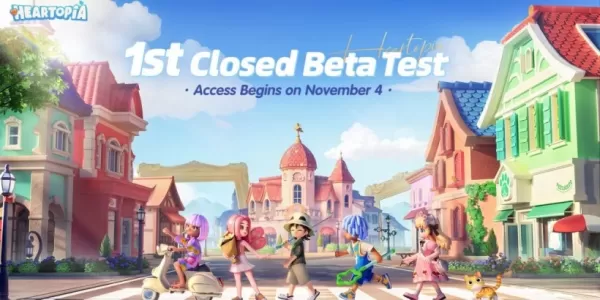
Heartopia is kicking off its first closed beta test next month
The initial CBT runs from November 4th through the 18thEngage in hobbies such as fishing, birdwatching, and cookingAdopt pets, customize your home interior, and design unique outfitsHeartopia, XD Games’ highly anticipated life simulation title announ
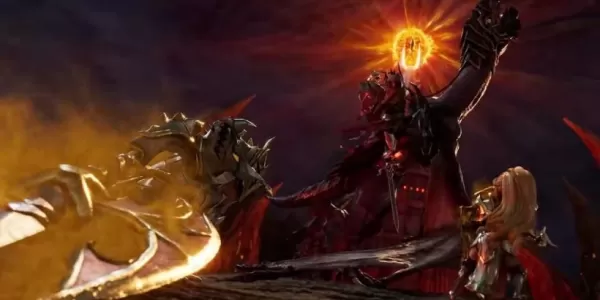
Summoners War set to host collaboration with the iconic fantasy book series The Lord of the Rings
Summoners War: Sky Arena has teamed up with none other than The Lord of the Rings.
Set to launch later this month, the collaboration brings iconic characters from the Fellowship and beyond into the game.
The Lord of the Rings needs no introduction—it
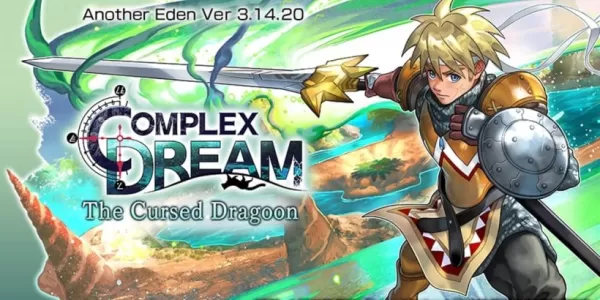
Another Eden expands its Chrono Cross collaboration content with Glenn and new story
Another Eden is introducing fresh content to its existing Chrono Cross collaboration materialThe release includes a beloved character named Glenn from The Cursed DragoonA new character and upcoming events are also being added to honor Japan Cat DayAl

The $13 FrSara Portable Neck Fan Is an Inexpensive Solution to Beating the Summer Heat
Summer has arrived, and neck fans are seeing a surge in popularity. These portable fans offer a simple, effective, and affordable way to stay cool and comfortable. Amazon is currently offering 50% off the FrSara Rechargeable Portable Neck Fan with th
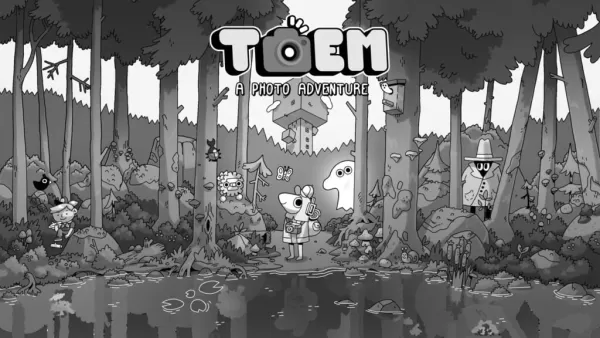
Hand-Drawn Photography Adventure Game TOEM Opens Pre-Registration on Mobile
BAFTA-winning title TOEM: A Photo Adventure arrives on mobile devices worldwide.
Developed by Swedish indie studio Something We Made, pre-registration for TOEM is now available on Android. The official release date is set for October 22nd.
Fun fact:
Latest Games

Arclight City
Role Playing丨8.2 MB

Temple of Endless Night
Role Playing丨10.8 MB
BattleMass
Role Playing丨113.2 MB

Pixel Odyssey
Role Playing丨47.2 MB
Blade of Chaos
Role Playing丨27.2 MB









Top News
MORE +

01
01-06
CDPR acknowledged weak gameplay in The Witcher 3
The Witcher 3, while critically acclaimed, wasn't without its flaws. Many fans felt the combat system fell short.
In a recent interview, Witcher 4's game director, Sebastian Kalemba, acknowledged weaknesses in the previous game's gameplay, specifically highlighting the need for significant improvem
02
01-07
BREAKING: Flight Simulator 2024 Login Woes Ground Players
Flight Simulator 2024 Launch Plagued by Technical Difficulties
The highly anticipated launch of Flight Simulator 2024 has been significantly hampered by widespread technical problems, leaving many players grounded before they could even take to the virtual skies. This article details the reported d
03
11-17
Hogwarts Legacy 2 is "One of the Biggest Priorities" for WB Games
Following the successful launch of Quidditch Champions this week, Warner Bros. Discovery has confirmed its plans for a sequel to last year's Harry Potter-based action RPG hit Hogwarts Legacy—2023's best-selling game.Hogwarts Legacy Sequel Plans Confirmed by Warner Bros. DiscoveryExpected in
04
11-16
Airplane Chefs Brings The Ultimate Snack, Pringles, On Board!
Buckle up for some snacks as Nordcurrent has just dropped an exciting event for their cooking game. It’s the most unexpected collab of Airplane Chefs and Pringles. If you’ve been enjoying your virtual life as a flight attendant, things are about to get a lot tastier.The game developer behind p
05
11-16
Play Together to collaborate with Sanrio and introduce new My Melody and Kuromi content
Play Together is bringing back its Sanrio collab with the appearance of My Melody and KuromiYou can collect coins by completing their themed missions that can then be used to draw exclusive itemsAs a bonus there's also new summer-themed content and events, including a major bug huntPlay Together, th
Topics
More +