Nintendo Tackles Piracy, Emulation
Author : Allison
Feb 25,2025
Nintendo's aggressive stance against emulation is well-documented. Recent examples include the $2.4 million settlement with Yuzu emulator developers (March 2024), the cessation of Ryujinx development following Nintendo's intervention (October 2024), and the legal advice preventing a full Steam release of the Dolphin emulator due to Nintendo's pressure (2023). The infamous case of Gary Bowser, who was ordered to pay $14.5 million for reselling devices that bypassed Nintendo Switch's anti-piracy measures, further highlights this commitment.
Now, a Nintendo patent attorney, Koji Nishiura, has shed light on the company's legal strategy. Speaking at Tokyo eSports Festa 2025, Nishiura clarified that while emulators aren't inherently illegal, their use can be. Specifically, emulators that copy game programs or disable console security measures may infringe on copyright laws, particularly under Japan's Unfair Competition Prevention Act (UCPA). This act, however, is primarily enforceable within Japan, limiting Nintendo's international legal reach.
The presentation used the Nintendo DS "R4" card as a prime example. This device allowed users to play pirated games, leading to a successful UCPA lawsuit against its manufacturers and resellers, effectively banning its sales in 2009. Nishiura also emphasized that third-party tools facilitating pirated software downloads within emulators, such as the 3DS "Freeshop" or the Switch "Tinfoil," also violate copyright laws.
Nintendo's lawsuit against Yuzu highlighted the scale of the problem, claiming one million pirated copies of The Legend of Zelda: Tears of the Kingdom and citing the emulator's Patreon revenue ($30,000 monthly) generated through features like early access to pirated games. This underscores the significant financial stakes involved in Nintendo's fight against emulation and piracy.
Latest Articles
My Little Pomodoro Boosts Focus, Hits Android
Most productivity timers demand your focus. Devfloor's new release, My Little Pomodoro: Focus, actually gives something in return. This charming Android app transforms concentration into a rewarding experience rather than a tedious obligation.Underst
Tekken 8 Director Slams Fan Over Anna Williams' New Look: 'Unconstructive and Pointless'
Play
Tekken 8 veteran Anna Williams is making her return to the roster, and while her redesigned look has been well received by the majority of fans, it has also sparked some debate—particularly over comparisons of her new outfit to Santa Claus.
When a fan asked Tekken game director and chief prod
Ready or Not Shares Update in Censorship and Review-Bomb Fight
VOID Interactive has responded to player criticism following updates to the PC version of its controversial shooter Ready or Not, implemented to secure its console release. The studio clarified there have been "misconceptions and misinformation" rega

Colors of Life: 365 New Mobile Puzzles Annually
Colors of Life is an Android game that offers a fresh take on coloring. As the name suggests, you fill in colors, combining classic color-by-number mechanics with pixel art style. Developed by Rursus, it’s free to play with optional extras available
Classic Fire Emblem Game Hits Nintendo Switch Online
Surprise! Fire Emblem: The Sacred Stones is now available in the Nintendo Switch Online game library.Originally hitting the Game Boy Advance in 2004, this title only reached Western audiences in 2005. It’s a standalone story following Renais' twin ro
Madoka Magica: Magia Exedra Scene 0 Part 1 Release Imminent
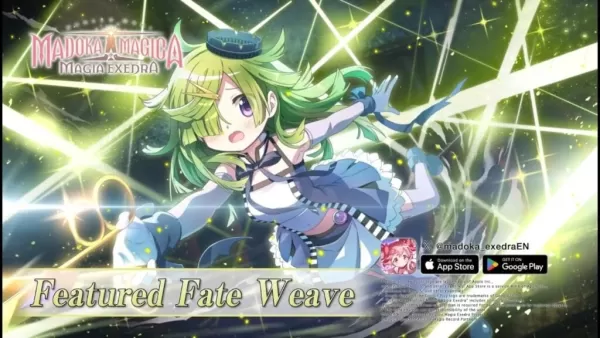
Puella Magi Madoka Magica Magia Exedra is set to launch a new update soon. Aniplex is introducing a limited-time event quest titled "Puella Magi Madoka Magica: Scene 0 Part I." This marks the beginning of a three-part story arc that will later integr
Latest Games


Project Pentjet
Music丨6.51MB

3D World - Puzzle game
Educational丨63.75MB

تخته نرد حرفه ای
Card丨3.20M
Militar Macizo
Action丨32.8 MB

Obama Run!
Action丨78.6 MB

Rake Monster
Action丨200.2 MB

Мафия России: Сибирская Братва
Adventure丨201.1 MB








Top News
MORE +

01
01-07
BREAKING: Flight Simulator 2024 Login Woes Ground Players
Flight Simulator 2024 Launch Plagued by Technical Difficulties
The highly anticipated launch of Flight Simulator 2024 has been significantly hampered by widespread technical problems, leaving many players grounded before they could even take to the virtual skies. This article details the reported d
02
01-06
CDPR acknowledged weak gameplay in The Witcher 3
The Witcher 3, while critically acclaimed, wasn't without its flaws. Many fans felt the combat system fell short.
In a recent interview, Witcher 4's game director, Sebastian Kalemba, acknowledged weaknesses in the previous game's gameplay, specifically highlighting the need for significant improvem
03
11-17
Hogwarts Legacy 2 is "One of the Biggest Priorities" for WB Games
Following the successful launch of Quidditch Champions this week, Warner Bros. Discovery has confirmed its plans for a sequel to last year's Harry Potter-based action RPG hit Hogwarts Legacy—2023's best-selling game.Hogwarts Legacy Sequel Plans Confirmed by Warner Bros. DiscoveryExpected in
04
11-16
Airplane Chefs Brings The Ultimate Snack, Pringles, On Board!
Buckle up for some snacks as Nordcurrent has just dropped an exciting event for their cooking game. It’s the most unexpected collab of Airplane Chefs and Pringles. If you’ve been enjoying your virtual life as a flight attendant, things are about to get a lot tastier.The game developer behind p
05
11-16
Play Together to collaborate with Sanrio and introduce new My Melody and Kuromi content
Play Together is bringing back its Sanrio collab with the appearance of My Melody and KuromiYou can collect coins by completing their themed missions that can then be used to draw exclusive itemsAs a bonus there's also new summer-themed content and events, including a major bug huntPlay Together, th
Topics
More +