ESA on Trump Tariffs: 'More Than Just Switch 2'
Author : David
Apr 15,2025
The past 48 hours have been a whirlwind for those following economic news, and even more so for Nintendo enthusiasts. On Wednesday, it was revealed that the Nintendo Switch 2 would be priced at a steep $450 in the United States. Analysts attribute this high cost to a combination of factors including anticipated tariffs, inflation, competition, and rising component costs.
The situation escalated dramatically last night when the Trump Administration announced sweeping 10% tariffs on nearly every country, with significantly higher tariffs targeted at nations like China, the EU, Japan, Vietnam, Canada, Mexico, and others. In a swift response, China announced a 34% reciprocal tariff on all U.S. goods this morning. In the wake of these developments, Nintendo decided to postpone pre-orders for the Nintendo Switch 2 in the U.S. to assess the impact of these tariffs on their console plans.
This unprecedented series of events has left everyone, from industry insiders to the general public, grappling to understand the implications. Just 30 minutes before Nintendo's announcement, I had the opportunity to discuss these developments with Aubrey Quinn, a spokesperson for the Entertainment Software Association (ESA), to gain insights into the broader impact on the gaming industry.
The ESA, like many others, is still assessing how these tariffs will play out. Quinn shared that while they anticipated some form of tariffs due to previous actions by the Trump administration and his campaign rhetoric, the specific impact and potential retaliatory measures from countries like China, along with further U.S. tariffs, remain uncertain.
However, the ESA is clear about one thing: these tariffs will negatively affect the video game industry. "We really are, at this point, just watching and trying not to have knee-jerk reactions, because we don't think that what President Trump announced this week is the end of the story," Quinn explained. "But what was announced this week and the tariffs as outlined, we do expect these tariffs will have a real and detrimental impact on the industry and the hundreds of millions of Americans who love to play games. Our goal is to work with the administration and other elected officials to find a solution that doesn't damage U.S. industries, U.S. business, but also American gamers and families."
Quinn elaborated that the impact would extend beyond just the cost of gaming systems. "It's hard to imagine a world where tariffs like these don't impact pricing," she said. Additionally, consumer spending would be affected, leading to decreased company revenues, which could impact jobs, research and development, and the future design of consoles. "The entire consumer ecosystem is connected," she emphasized.
In response to these challenges, the ESA has taken initial steps, though Quinn admits it's been tough to get started given the new composition of the Trump Administration. Despite the anticipation of tariffs, the ESA has had to build new relationships since many members of the administration were only recently appointed.
"The short answer is we know who the conversations need to be happening with, and we are working on making connections and ensuring they understand that we are eager to work with them to find solutions," Quinn concluded. "This is about public, private sector conversations happening, so we can understand and make sure that they see the impact and the risk of impact to business, to consumers, and really everything that's happening within the U.S. borders."
The ESA has already joined a coalition of trade associations to express concerns to U.S. Trade Representative Jamieson Greer and is seeking meetings with legislators and administration members. When asked if their efforts were being heard, Quinn confirmed that conversations are happening at various levels of government, including the White House and the Office of the United States Trade Representative (USTR).
For concerned consumers, Quinn suggested reaching out to their representatives through letters, calls, emails, or social media to voice their concerns. "The more members of government, elected officials, and their staff who hear that their constituents are concerned, the more likely we are to be heard and to potentially make an impact," she stated.
Nintendo's decision to hold pre-orders for the Nintendo Switch 2 came just minutes after our conversation ended. When I sought further comment from Quinn, she noted that the ESA does not comment on decisions by individual companies. However, she addressed the broader implications of the tariffs on the gaming industry, emphasizing that the impact would be felt across all gaming devices, not just the Switch 2.
"It's been interesting with media coverage around video games and tariffs because just unfortunate coincidental timing that the Switch [2 reveal] was the same day as President Trump's announcement," Quinn remarked. "There are so many devices we play video games on. There are other consoles, but as I was saying, VR headsets, our smartphones, people who love PC games, if we think it's just the Switch, then we aren't taking it seriously. This is going to have an impact. And even American-based companies, they're getting products that need to cross into American borders to make those consoles, to make those games. And so there's going to be a real impact regardless of company. This is company-agnostic, this is an entire industry. There's going to be an impact on the entire industry."
Latest Articles
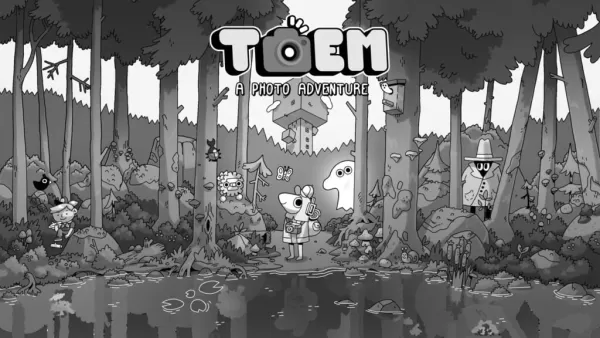
Hand-Drawn Photography Adventure Game TOEM Opens Pre-Registration on Mobile
BAFTA-winning title TOEM: A Photo Adventure arrives on mobile devices worldwide.
Developed by Swedish indie studio Something We Made, pre-registration for TOEM is now available on Android. The official release date is set for October 22nd.
Fun fact:
Mutants: Genesis Hits iOS, Android, Steam After Early Access
Clash Royale players finally get to witness the highly anticipated evolution of the Inferno Dragon. After nearly a decade without an upgrade, this fiery Legendary card receives a powerful transformation. The developers at Supercell teamed up with Fin
Pokemon GO Road Trip 2025 Details, Summer Pikachu Available
Experience Pokémon GO Road Trip Truck stops in the gameFind Wooloo, Phanpy, and Alolan Geodude in the wildSummer-style Pikachu makes a special appearanceIf today's new details don't get you excited for the Pokemon GO Road Trip 2025, nothing will. Thi
PlayStation Stars Shuts Down After 3 Years
Sony has announced the discontinuation of its PlayStation Stars loyalty program less than three years after its introduction.The rewards initiative stopped accepting new members today, with exiting participants unable to rejoin. Canceling membership
Mastering Cooking in Ragnarok X: Next Generation
Cooking in Ragnarok X: Next Generation is a dynamic system that enhances combat, resource gathering, and character progression. Preparing dishes grants temporary boosts, improving dungeon survivabilit
Poppy Playtime Chapter 4 Launches with Introductory Sale
Uncover new characters and a deeper backstoryNavigate the depths of the Playtime Co. factoryLimited-time introductory discount availableMob Entertainment has officially released Poppy Playtime Chapter 4, allowing you to dive into the next chilling ch
Latest Games

Playtime Adventure Multiplayer
Adventure丨214.1 MB

Shooting Master : Sniper Game
Arcade丨40.9 MB

Sushi Please
Arcade丨118.5 MB

Spy - Board Party Game
Board丨26.4 MB

Jam Bonanza
Board丨102.0 MB
CELLS - Tile Matching Games
Board丨189.5 MB



Street Art-Color by number
Board丨54.2 MB








Top News
MORE +

01
01-07
BREAKING: Flight Simulator 2024 Login Woes Ground Players
Flight Simulator 2024 Launch Plagued by Technical Difficulties
The highly anticipated launch of Flight Simulator 2024 has been significantly hampered by widespread technical problems, leaving many players grounded before they could even take to the virtual skies. This article details the reported d
02
01-06
CDPR acknowledged weak gameplay in The Witcher 3
The Witcher 3, while critically acclaimed, wasn't without its flaws. Many fans felt the combat system fell short.
In a recent interview, Witcher 4's game director, Sebastian Kalemba, acknowledged weaknesses in the previous game's gameplay, specifically highlighting the need for significant improvem
03
11-17
Hogwarts Legacy 2 is "One of the Biggest Priorities" for WB Games
Following the successful launch of Quidditch Champions this week, Warner Bros. Discovery has confirmed its plans for a sequel to last year's Harry Potter-based action RPG hit Hogwarts Legacy—2023's best-selling game.Hogwarts Legacy Sequel Plans Confirmed by Warner Bros. DiscoveryExpected in
04
11-16
Airplane Chefs Brings The Ultimate Snack, Pringles, On Board!
Buckle up for some snacks as Nordcurrent has just dropped an exciting event for their cooking game. It’s the most unexpected collab of Airplane Chefs and Pringles. If you’ve been enjoying your virtual life as a flight attendant, things are about to get a lot tastier.The game developer behind p
05
11-16
Play Together to collaborate with Sanrio and introduce new My Melody and Kuromi content
Play Together is bringing back its Sanrio collab with the appearance of My Melody and KuromiYou can collect coins by completing their themed missions that can then be used to draw exclusive itemsAs a bonus there's also new summer-themed content and events, including a major bug huntPlay Together, th
Topics
More +