Monster Hunter Wilds Interview: Meet Nu Udra, Apex of the Oilwell Basin – IGN First
Author : Audrey
Feb 25,2025
Exploring the Fiery Depths of Monster Hunter Wilds' Oilwell Basin: A Deep Dive into Design
Monster Hunter Wilds introduces the Oilwell Basin, a dynamic locale unlike any other in the franchise. This scorching landscape, brimming with geothermal energy, contrasts sharply with previous environments like the Windward Plains and Scarlet Forest. The area's unique ecosystem, shaped by the interplay of fire, oilsilt, and hardy creatures, is a testament to the developers' commitment to innovative world-building.
Yuya Tokuda, director of both Monster Hunter: World and Wilds, explains the Oilwell Basin's transformative nature: "During the Fallow, it's a mud and oil-filled expanse. The Firespring Inclemency burns away the oilsilt, and during the Plenty, the soot vanishes, revealing minerals, microorganisms, and ancient artifacts."
Kaname Fujioka, director of the original Monster Hunter and art director for Wilds, elaborates on the Basin's vertical design: "Unlike the horizontally expansive previous locales, the Oilwell Basin is vertically layered. The top stratum receives sunlight, the middle is oily, and the bottom is intensely hot, featuring lava and other extreme elements." This verticality influences the creatures inhabiting each layer, with lower levels mirroring deep-sea or underwater volcano ecosystems.
New Monsters, Unique Designs
The Oilwell Basin is home to several new monsters, each meticulously designed to reflect the environment's unique challenges.
-
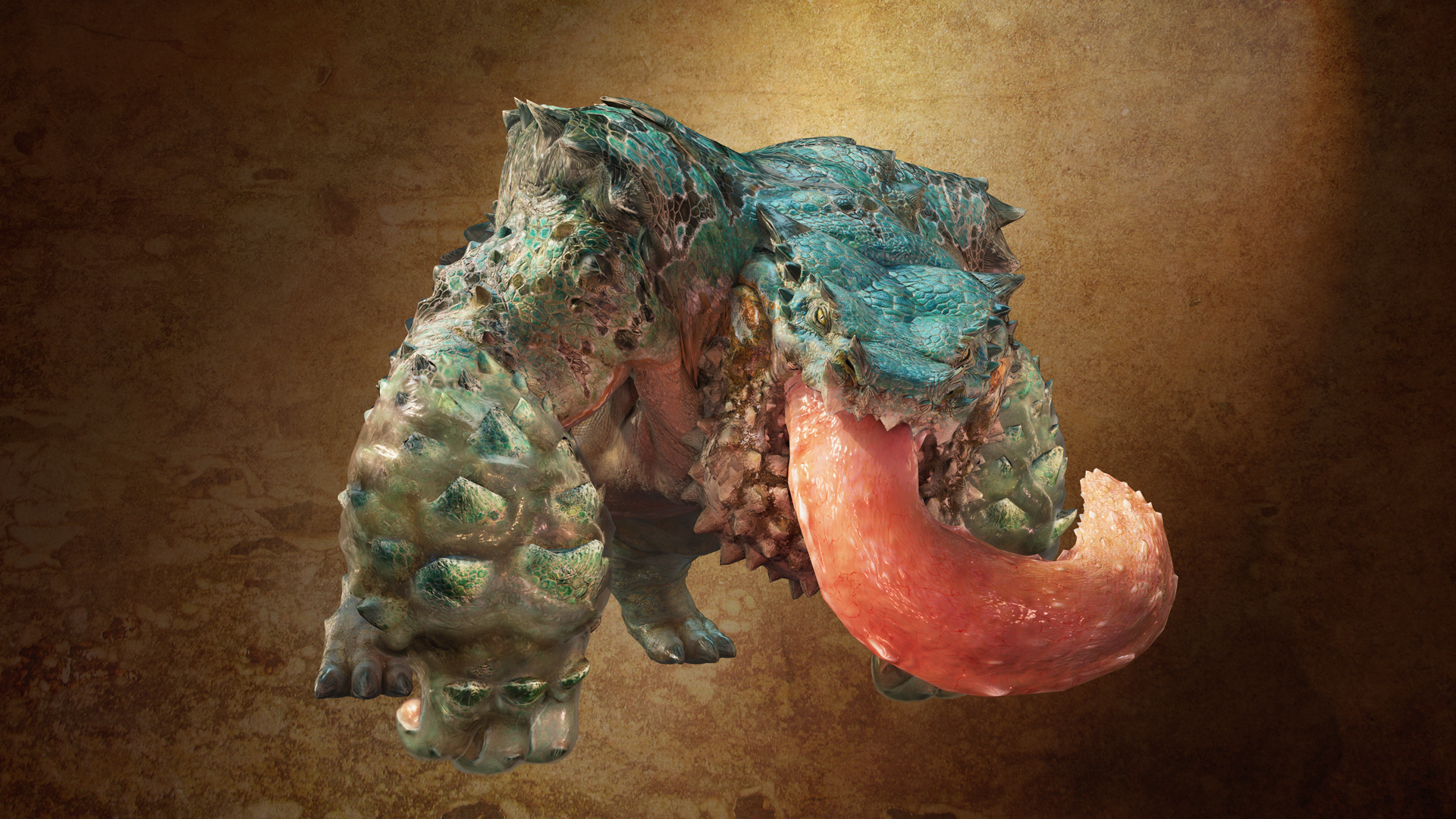
Rompopolo: This globular, toxic creature, inspired by the concept of a mad scientist, utilizes stored toxic gas to disrupt hunters. Its design incorporates a chemical purple hue and glowing red eyes, contrasting with the surprisingly cute Palico equipment crafted from its remains.
-
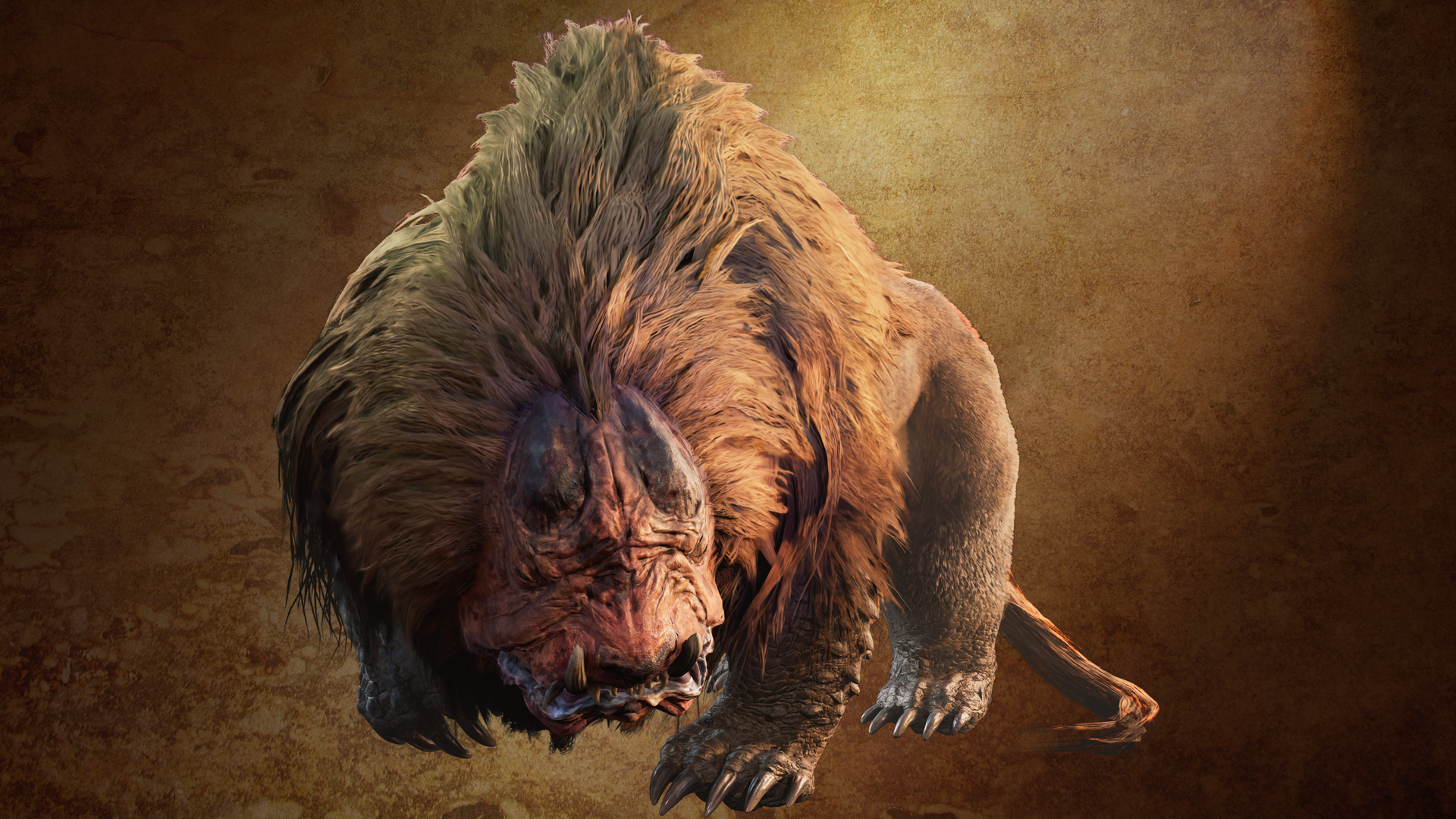
Ajarakan: A flaming gorilla-like monster, Ajarakan stands in stark contrast to the Congalala. Its towering silhouette and wrestling-inspired moves, combined with its fiery attacks, emphasize its raw power and straightforward combat style. The developers consciously designed Ajarakan to be easily understood in terms of strength, focusing on impactful, visually striking attacks.
-
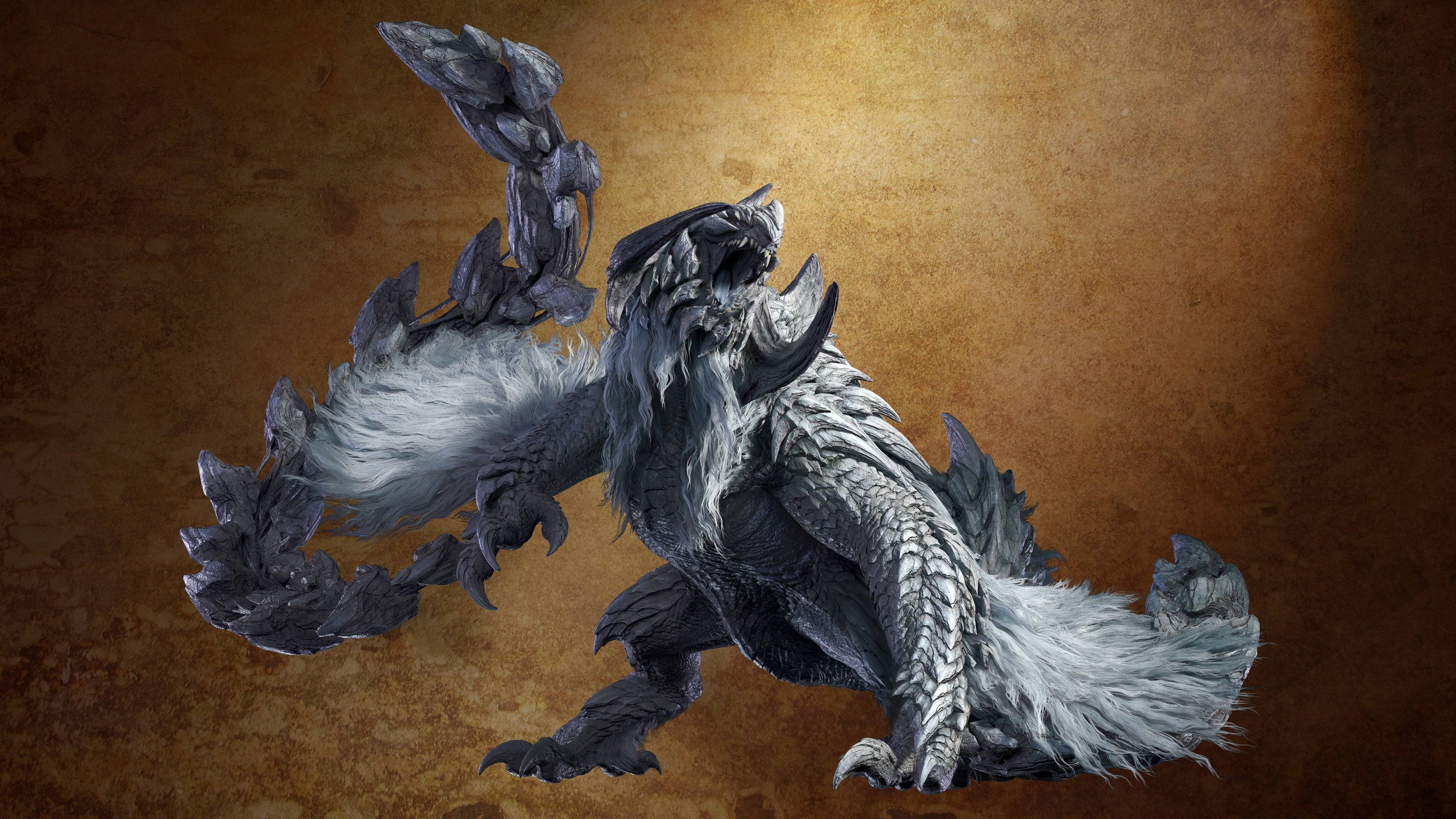
Nu Udra (The Black Flame): The apex predator of the Oilwell Basin, Nu Udra is a colossal, octopus-like creature covered in flammable oil. Its design, inspired by octopuses, incorporates demonic horns and a deliberately ambiguous facial structure. Its movements, inspired by monsters like Lagiacrus from Monster Hunter Tri, were a long-held ambition for Tokuda and Fujioka. The developers even tailored the battle music to evoke demonic imagery. Nu Udra's many tentacles, each capable of being severed, present a unique challenge, requiring hunters to adapt their strategies and exploit its vulnerabilities. Its sensory organs, located at the tips of its tentacles, use light to signal impending attacks, adding another layer of complexity to the fight.
The Return of a Classic: Gravios
The Oilwell Basin also marks the return of Gravios, last seen in Monster Hunter Generations Ultimate. Its hard, rocky carapace and emission of hot gas make it a fitting inhabitant of this fiery environment. The developers emphasized maintaining Gravios' signature hardness while also integrating it seamlessly into the game's progression, making it a challenging encounter for experienced hunters.
A Legacy of Innovation
The creation of the Oilwell Basin and its inhabitants showcases the Monster Hunter team's dedication to innovative monster design and environmental storytelling. The developers' willingness to push technological boundaries and realize long-held creative visions is evident in the intricate details and dynamic gameplay offered by this new locale. The Oilwell Basin promises a thrilling hunting experience, demanding strategic thinking and skillful execution from hunters of all levels.
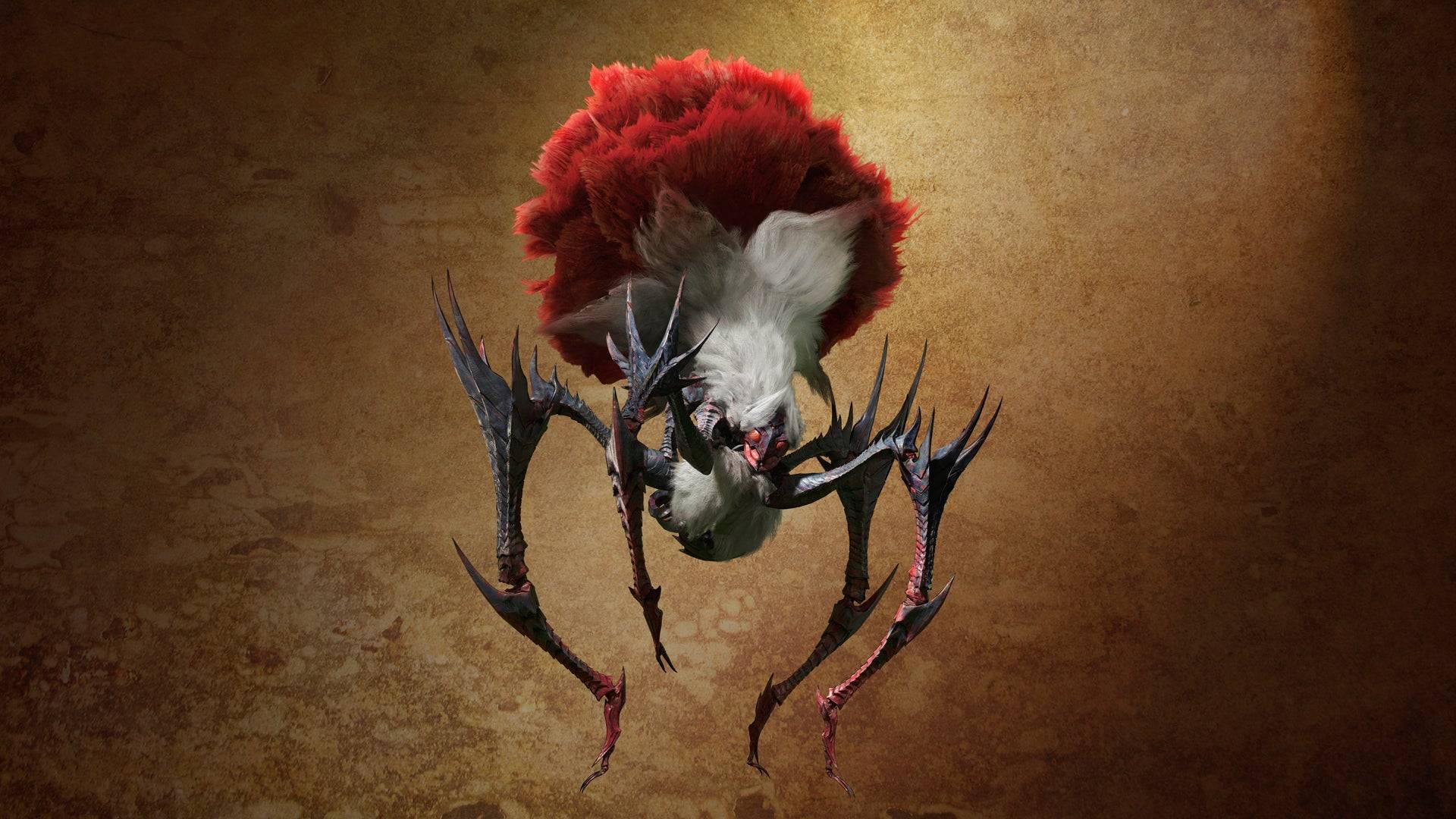
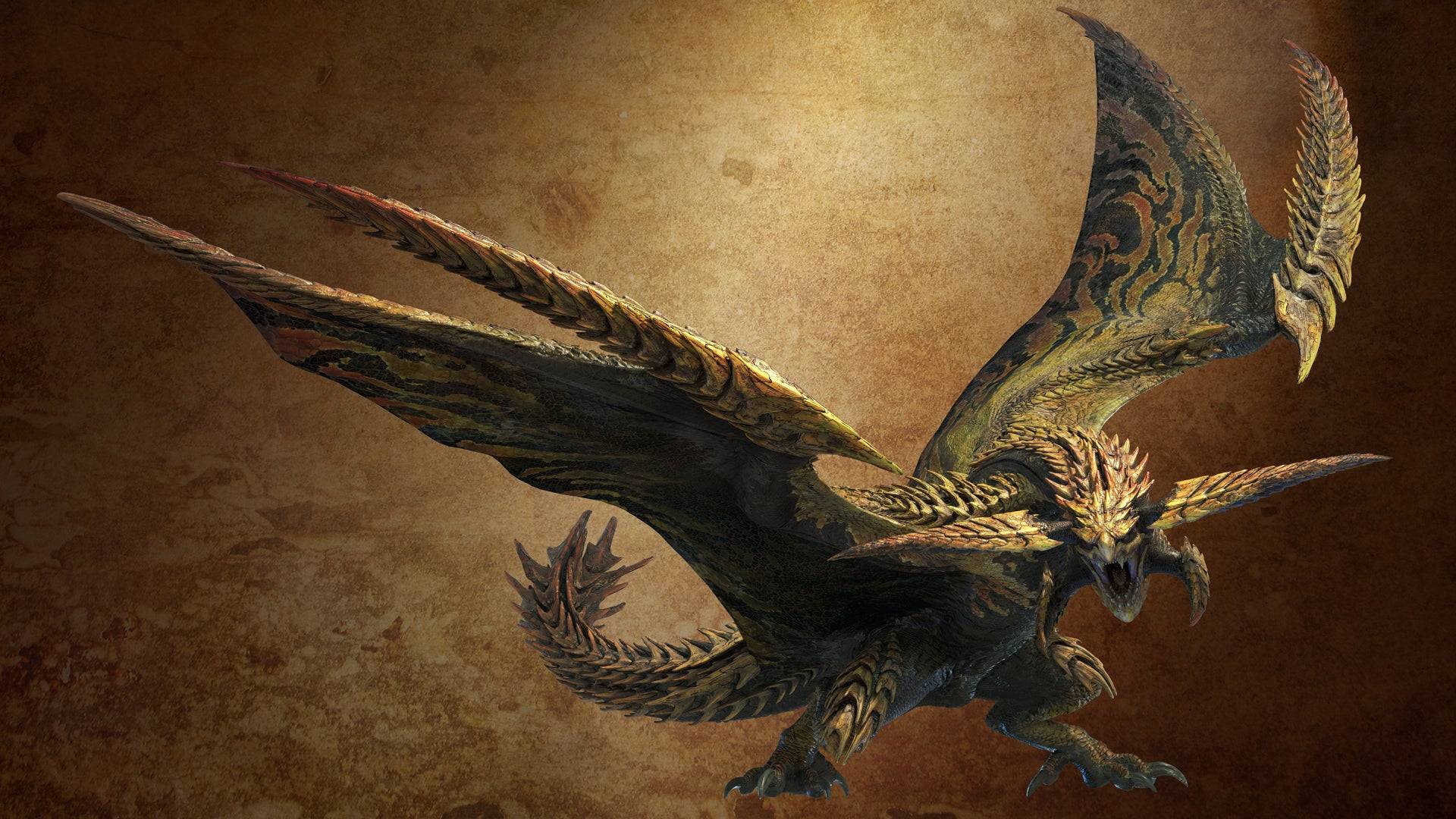
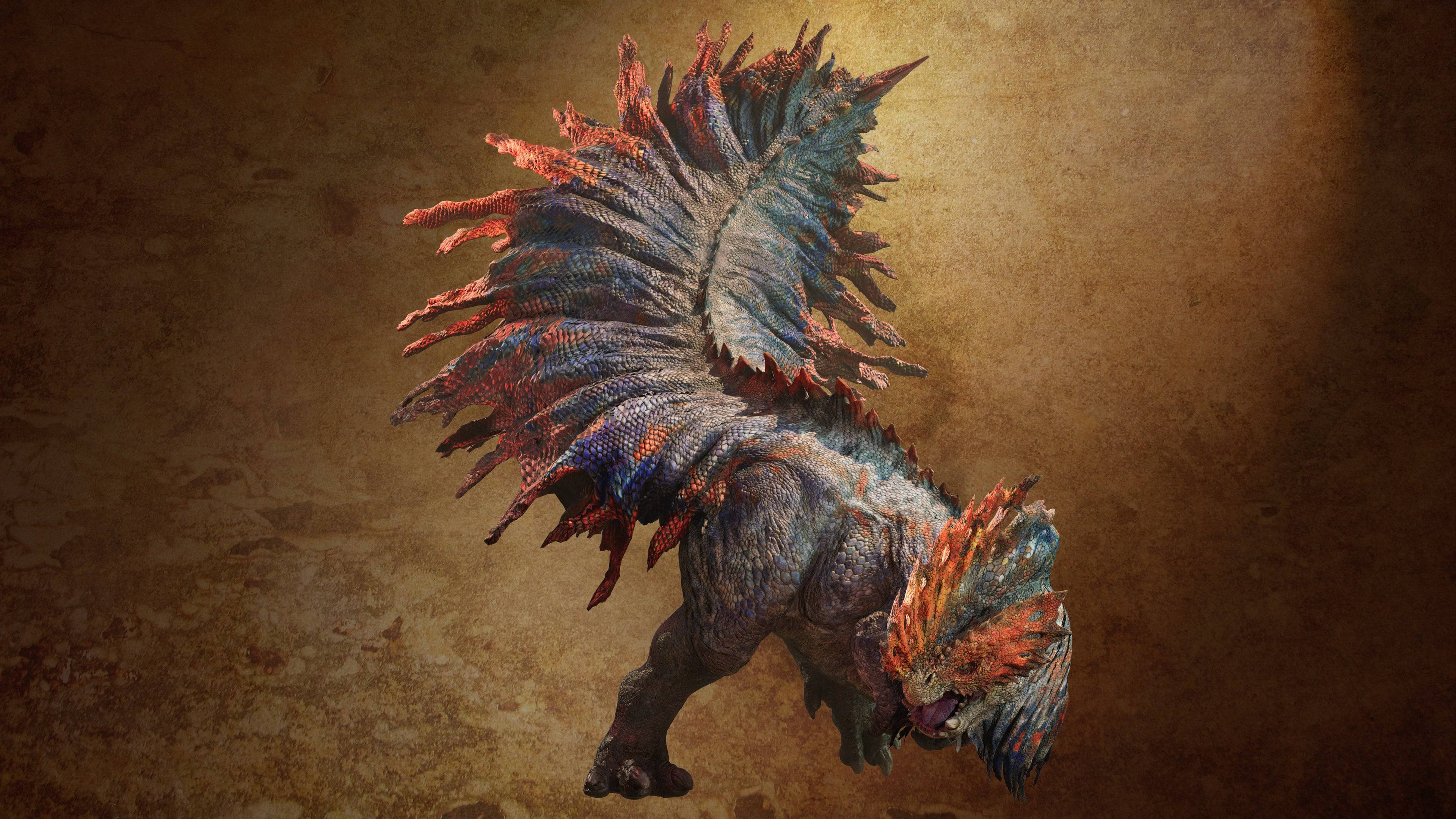
(Note: Image URLs remain unchanged.)
Latest Articles
My Little Pomodoro Boosts Focus, Hits Android
Most productivity timers demand your focus. Devfloor's new release, My Little Pomodoro: Focus, actually gives something in return. This charming Android app transforms concentration into a rewarding experience rather than a tedious obligation.Underst
Tekken 8 Director Slams Fan Over Anna Williams' New Look: 'Unconstructive and Pointless'
Play
Tekken 8 veteran Anna Williams is making her return to the roster, and while her redesigned look has been well received by the majority of fans, it has also sparked some debate—particularly over comparisons of her new outfit to Santa Claus.
When a fan asked Tekken game director and chief prod
Ready or Not Shares Update in Censorship and Review-Bomb Fight
VOID Interactive has responded to player criticism following updates to the PC version of its controversial shooter Ready or Not, implemented to secure its console release. The studio clarified there have been "misconceptions and misinformation" rega
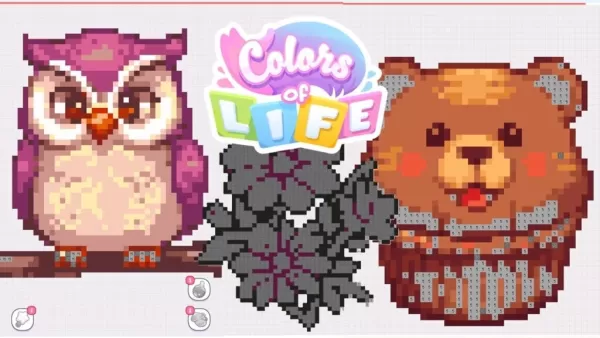
Colors of Life: 365 New Mobile Puzzles Annually
Colors of Life is an Android game that offers a fresh take on coloring. As the name suggests, you fill in colors, combining classic color-by-number mechanics with pixel art style. Developed by Rursus, it’s free to play with optional extras available
Classic Fire Emblem Game Hits Nintendo Switch Online
Surprise! Fire Emblem: The Sacred Stones is now available in the Nintendo Switch Online game library.Originally hitting the Game Boy Advance in 2004, this title only reached Western audiences in 2005. It’s a standalone story following Renais' twin ro
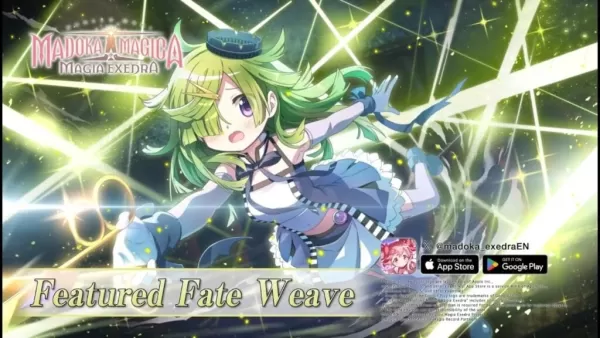
Madoka Magica: Magia Exedra Scene 0 Part 1 Release Imminent
Puella Magi Madoka Magica Magia Exedra is set to launch a new update soon. Aniplex is introducing a limited-time event quest titled "Puella Magi Madoka Magica: Scene 0 Part I." This marks the beginning of a three-part story arc that will later integr
Latest Games

Project Pentjet
Music丨6.51MB

3D World - Puzzle game
Educational丨63.75MB

تخته نرد حرفه ای
Card丨3.20M
Militar Macizo
Action丨32.8 MB

Obama Run!
Action丨78.6 MB

Rake Monster
Action丨200.2 MB

Мафия России: Сибирская Братва
Adventure丨201.1 MB







Top News
MORE +
01
01-07
BREAKING: Flight Simulator 2024 Login Woes Ground Players
Flight Simulator 2024 Launch Plagued by Technical Difficulties
The highly anticipated launch of Flight Simulator 2024 has been significantly hampered by widespread technical problems, leaving many players grounded before they could even take to the virtual skies. This article details the reported d
02
01-06
CDPR acknowledged weak gameplay in The Witcher 3
The Witcher 3, while critically acclaimed, wasn't without its flaws. Many fans felt the combat system fell short.
In a recent interview, Witcher 4's game director, Sebastian Kalemba, acknowledged weaknesses in the previous game's gameplay, specifically highlighting the need for significant improvem
03
11-17
Hogwarts Legacy 2 is "One of the Biggest Priorities" for WB Games
Following the successful launch of Quidditch Champions this week, Warner Bros. Discovery has confirmed its plans for a sequel to last year's Harry Potter-based action RPG hit Hogwarts Legacy—2023's best-selling game.Hogwarts Legacy Sequel Plans Confirmed by Warner Bros. DiscoveryExpected in
04
11-16
Airplane Chefs Brings The Ultimate Snack, Pringles, On Board!
Buckle up for some snacks as Nordcurrent has just dropped an exciting event for their cooking game. It’s the most unexpected collab of Airplane Chefs and Pringles. If you’ve been enjoying your virtual life as a flight attendant, things are about to get a lot tastier.The game developer behind p
05
11-16
Play Together to collaborate with Sanrio and introduce new My Melody and Kuromi content
Play Together is bringing back its Sanrio collab with the appearance of My Melody and KuromiYou can collect coins by completing their themed missions that can then be used to draw exclusive itemsAs a bonus there's also new summer-themed content and events, including a major bug huntPlay Together, th
Topics
More +