
How Frank Miller Returned to Daredevil for Born Again
Author : Nora
Mar 24,2025
The mid-1980s marked a golden era for Marvel Comics, not only creatively but also financially. Having overcome the economic challenges of the late '70s, largely due to the success of Star Wars, Marvel was poised to make a significant impact on the comic book industry. The launch of Secret Wars in 1984 was a game-changer, influencing the Marvel Universe and the wider comic industry in countless ways. This event set the stage for new paths that Marvel's heroes and villains would explore for years to come.
This period also saw the release of other iconic stories such as Frank Miller's Born Again arc in Daredevil, the return of Jean Grey in X-Factor, and Walt Simonson's Surtur Saga in Thor. In this article, we delve into these new directions and other significant stories from that time. Join us as we continue our exploration of Marvel's essential issues in Part 8 of our series.
More Essential Marvel
- 1961-1963: The Birth of a Universe
- 1964-1965: The Sentinels Are Born and Cap Dethaws
- 1966-1969: How Galactus Changed Marvel Forever
- 1970-1973: The Night Gwen Stacy Died
- 1974-1976: The Punisher Begins His War on Crime
- 1977-1979: Star Wars Saves Marvel From Bankruptcy
- 1980-1982: Did the Dark Phoenix Saga Usher in the Greatest Decade for Marvel?
Frank Miller's Born Again and Walt Simonson's Surtur Saga
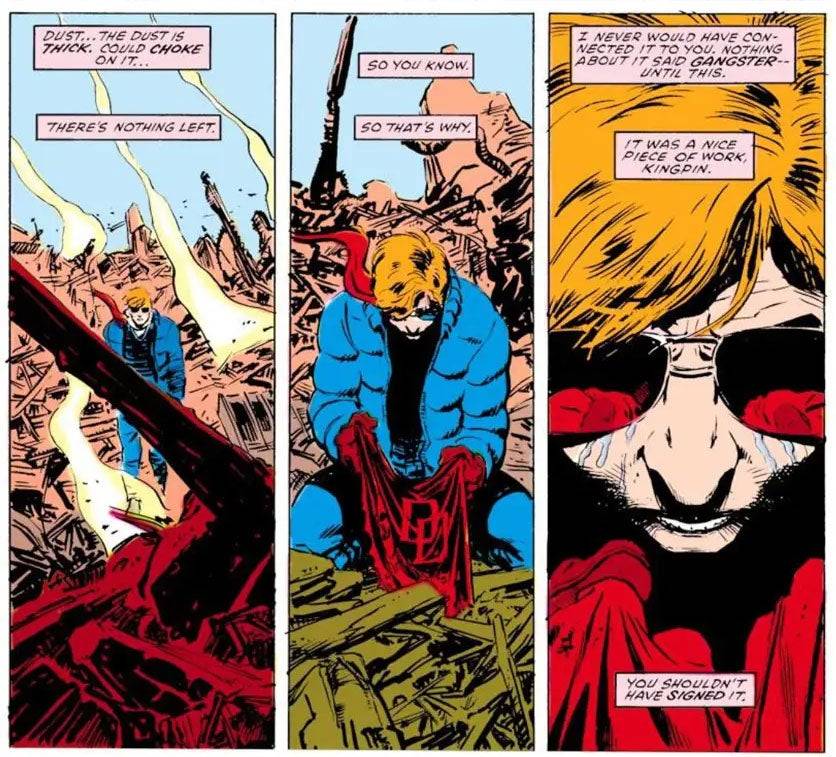
For some of the most celebrated storylines of this era, look no further than Born Again, Frank Miller's return to writing Daredevil. This arc, illustrated by David Mazzuchelli and spanning Daredevil #227-233, is often regarded as the definitive Daredevil story. The plot follows Karen Page, who, in a desperate state of addiction, sells Daredevil's secret identity for heroin. This information falls into the hands of the Kingpin, who uses it to systematically dismantle Matt Murdock's life. Stripped of everything, Matt hits rock bottom and is saved by his mother, a nun named Maggie. His gradual return as Daredevil and the Kingpin's descent into fanaticism create a narrative masterpiece. This story was adapted in Season 3 of Netflix's Daredevil and inspired the Disney+ revival series titled Daredevil: Born Again.
Another iconic saga from this period is Walt Simonson's Surtur Saga in Thor. Taking over as writer and artist from Thor #337 in 1983, Simonson introduced Beta Ray Bill, an alien worthy of lifting Mjolnir. His work revitalized Thor's comic, bringing it back to its mythic roots. The year-long Surtur Saga (Thor #340-353) features the fire demon Surtur's quest to bring about Ragnarok using the Twilight Sword. He sends Malekith the Accursed to battle Thor, setting the stage for an epic confrontation involving Thor, Loki, and Odin against Surtur. Elements of this saga were later incorporated into the films Thor: The Dark World and Thor: Ragnarok.
Secret Wars Changes Comics Forever
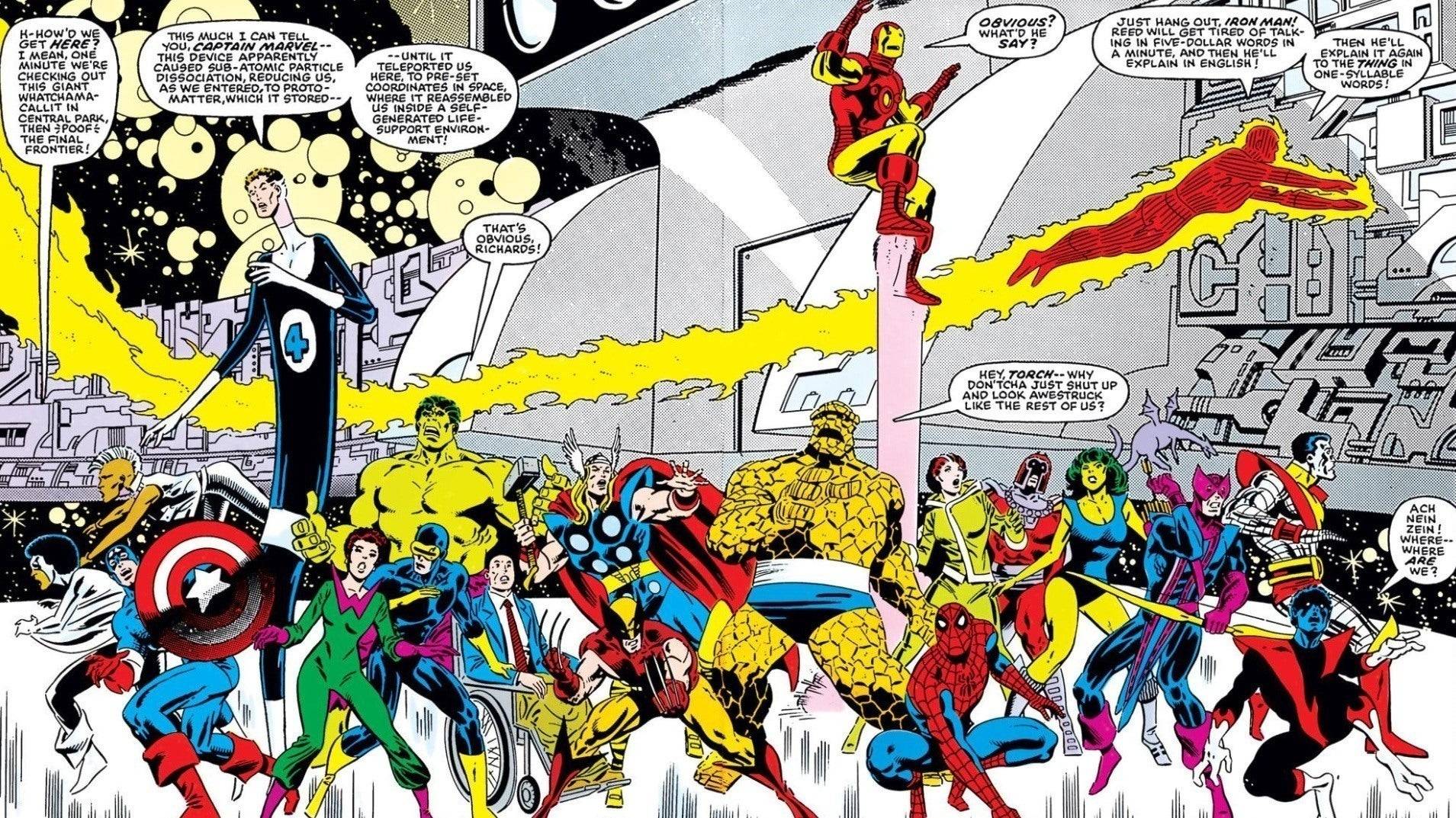
In Part 4 of our series, we discussed how the 1973 Avengers/Defenders War foreshadowed the event crossovers that would become a staple in Marvel and DC's publishing strategy. The shift fully materialized in 1984 with the release of Secret Wars, a 12-part miniseries crafted by then Editor-in-Chief Jim Shooter, with art by Mike Zeck and Bob Layton. Conceived as a marketing tie-in with Mattel for a toy line, Secret Wars features the cosmic entity the Beyonder transporting a diverse group of Marvel heroes and villains to Battleworld to determine the supremacy of good versus evil. The series, while popular for its extensive cast and universe-altering effects, is often critiqued for its focus on action over depth. Doctor Doom stands out as a well-written character, but many others seem out of place within their ongoing narratives. The subsequent success of Secret Wars led to Secret Wars II and influenced the industry's move towards event-driven storytelling, as evidenced by DC's concurrent release of Crisis on Infinite Earths.
Spider-Man’s Symbiote Suit and Other Iconic Spidey Stories
Following the foundational work of Stan Lee and Gerry Conway, Roger Stern revitalized Amazing Spider-Man starting with issue #224. His tenure, lasting over two years, introduced the Hobgoblin in Amazing #238, who became one of Spider-Man's most formidable adversaries. Stern's original Hobgoblin saga was cut short due to editorial issues, leaving the villain's identity a mystery until Stern returned to resolve it in the 1997 miniseries Spider-Man: Hobgoblin Lives.
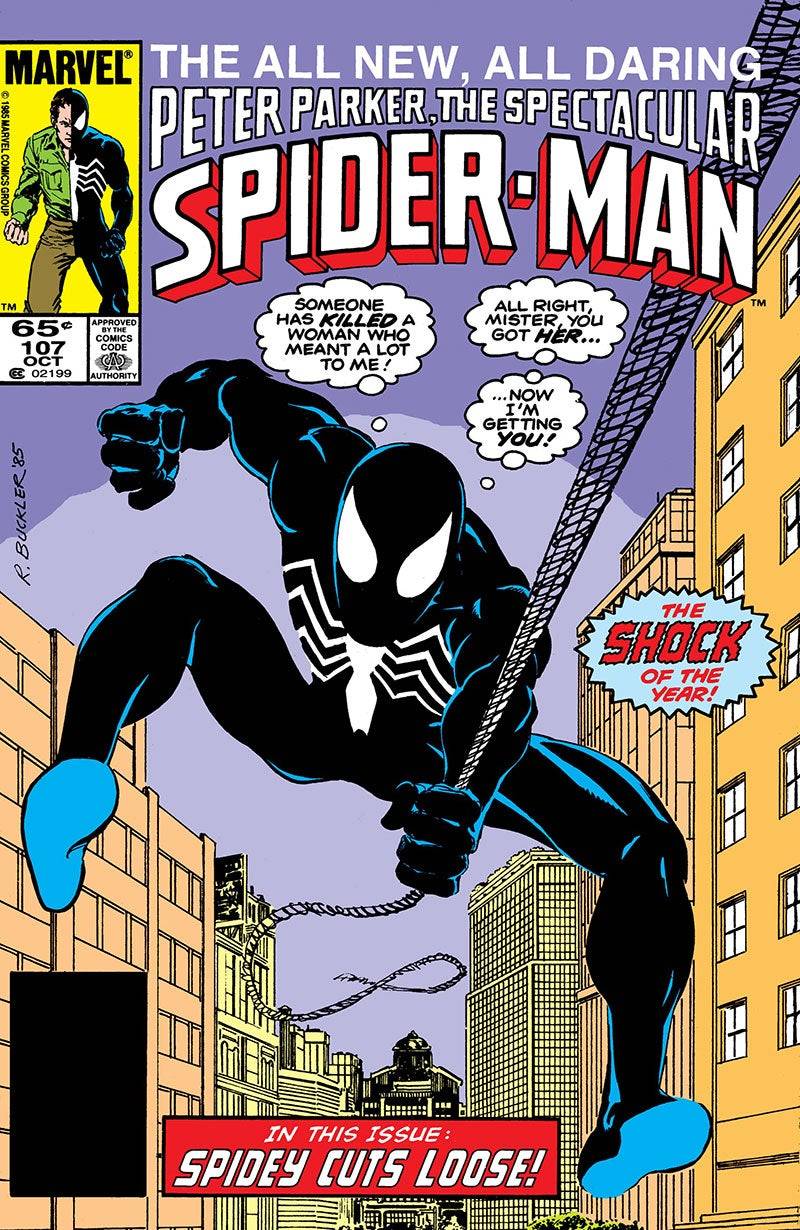
The introduction of Spider-Man's black symbiote costume in Amazing #252 marked another significant milestone. Originating from Secret Wars #8 on Battleworld, the symbiote's arrival sparked a long-lasting subplot that introduced one of Spider-Man's most iconic foes. The black costume has been adapted across various media, including Spider-Man 3, Spider-Man: The Animated Series, Spectacular Spider-Man, and Insomniac's Spider-Man 2. Another key story from this period is The Death of Jean DeWolff in Spectacular Spider-Man #107-110, penned by Peter David and illustrated by Rich Buckler. This dark tale follows Spider-Man's hunt for the Sin-Eater, who killed his ally Jean DeWolff, and his subsequent conflict with Daredevil.
Jean Grey Returns, the Rise of Apocalypse, and Other Mutant Landmarks
The mid-1980s also brought pivotal moments for the mutant community. Vision and the Scarlet Witch #4 confirmed Magneto as the father of Quicksilver and Scarlet Witch, a revelation that remained canon until 2015. X-Men #171 saw Rogue switch sides from the Brotherhood of Evil Mutants to the X-Men, cementing her status as a beloved heroine. Similarly, X-Men #200 marked Magneto's transformation from villain to leader of Xavier's School for the Gifted, a plotline adapted in X-Men '97.
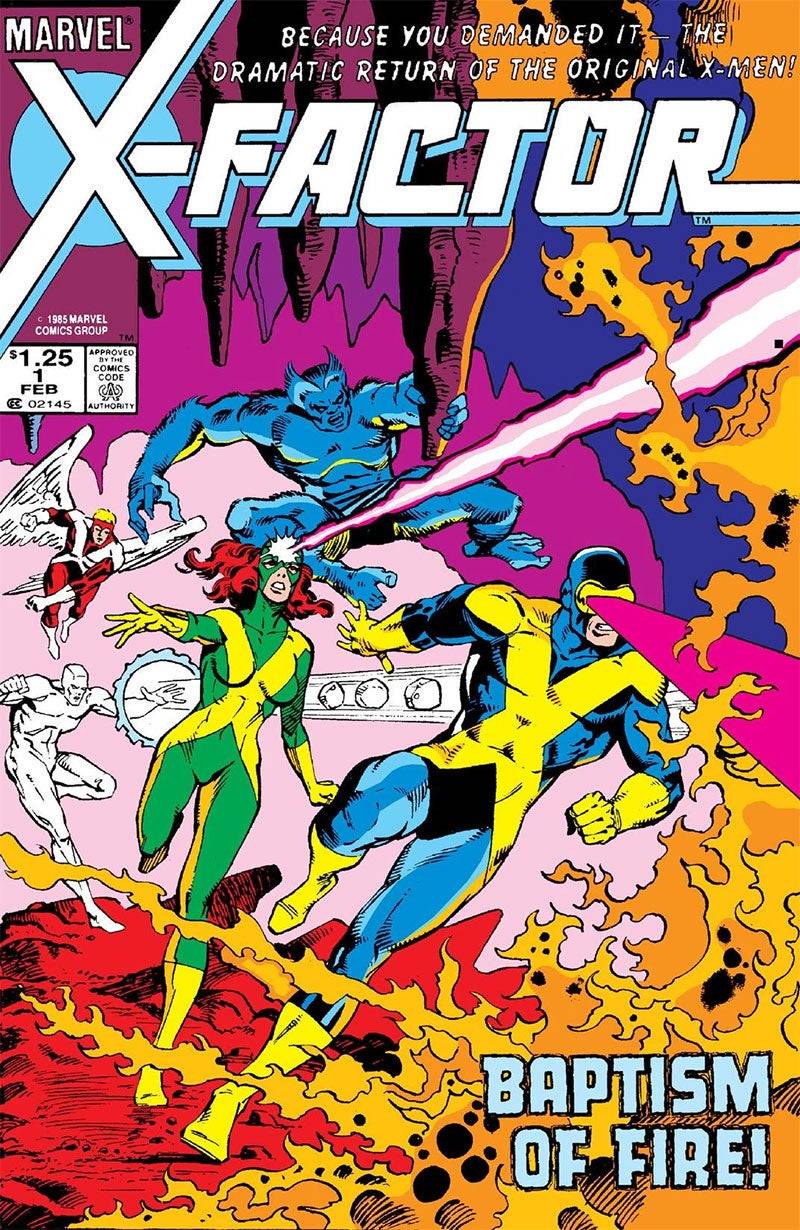
The most significant mutant developments of this era were Jean Grey's resurrection and the introduction of Apocalypse. After the Dark Phoenix Saga, Jean Grey returned in a two-part story across Avengers #263 and Fantastic Four #286. She reunited with the original X-Men to form X-Factor, where Apocalypse made his debut in issues #5-6. Created by Louise Simonson and Jackson Guice, Apocalypse became a central figure in X-Men lore, appearing in various media, including the 2016 film X-Men: Apocalypse.
Latest Articles
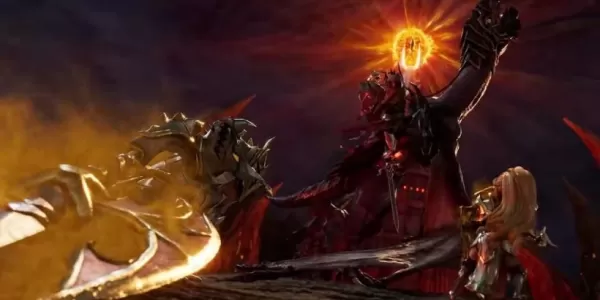
Summoners War set to host collaboration with the iconic fantasy book series The Lord of the Rings
Summoners War: Sky Arena has teamed up with none other than The Lord of the Rings.
Set to launch later this month, the collaboration brings iconic characters from the Fellowship and beyond into the game.
The Lord of the Rings needs no introduction—it
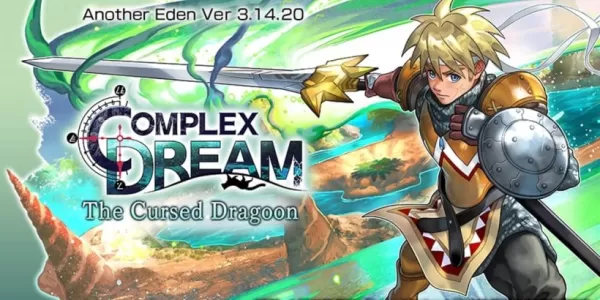
Another Eden expands its Chrono Cross collaboration content with Glenn and new story
Another Eden is introducing fresh content to its existing Chrono Cross collaboration materialThe release includes a beloved character named Glenn from The Cursed DragoonA new character and upcoming events are also being added to honor Japan Cat DayAl

The $13 FrSara Portable Neck Fan Is an Inexpensive Solution to Beating the Summer Heat
Summer has arrived, and neck fans are seeing a surge in popularity. These portable fans offer a simple, effective, and affordable way to stay cool and comfortable. Amazon is currently offering 50% off the FrSara Rechargeable Portable Neck Fan with th
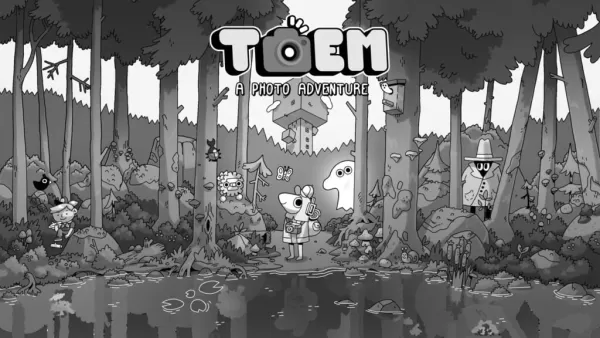
Hand-Drawn Photography Adventure Game TOEM Opens Pre-Registration on Mobile
BAFTA-winning title TOEM: A Photo Adventure arrives on mobile devices worldwide.
Developed by Swedish indie studio Something We Made, pre-registration for TOEM is now available on Android. The official release date is set for October 22nd.
Fun fact:
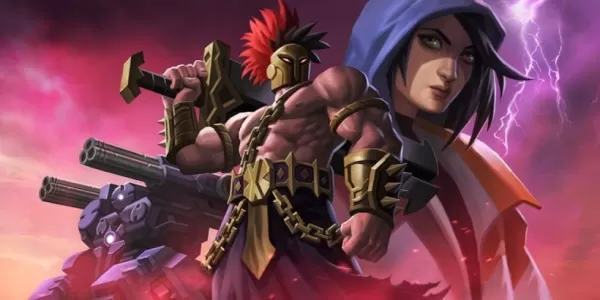
Mutants: Genesis Hits iOS, Android, Steam After Early Access
Clash Royale players finally get to witness the highly anticipated evolution of the Inferno Dragon. After nearly a decade without an upgrade, this fiery Legendary card receives a powerful transformation. The developers at Supercell teamed up with Fin
Pokemon GO Road Trip 2025 Details, Summer Pikachu Available
Experience Pokémon GO Road Trip Truck stops in the gameFind Wooloo, Phanpy, and Alolan Geodude in the wildSummer-style Pikachu makes a special appearanceIf today's new details don't get you excited for the Pokemon GO Road Trip 2025, nothing will. Thi
Latest Games

Finger Kick Soccer 2024
Sports丨107.9 MB

Golf Blitz
Sports丨103.9 MB
Real World Cricket Games
Sports丨49.2 MB
Merge Master Tanks: Tank wars
Casual丨108.9 MB
Let's Bowl 2 : Bowling Game
Sports丨82.3 MB

Soccer Legend
Sports丨150.4 MB

Real World Cricket T10 Games
Sports丨63.9 MB









Top News
MORE +

01
01-06
CDPR acknowledged weak gameplay in The Witcher 3
The Witcher 3, while critically acclaimed, wasn't without its flaws. Many fans felt the combat system fell short.
In a recent interview, Witcher 4's game director, Sebastian Kalemba, acknowledged weaknesses in the previous game's gameplay, specifically highlighting the need for significant improvem
02
01-07
BREAKING: Flight Simulator 2024 Login Woes Ground Players
Flight Simulator 2024 Launch Plagued by Technical Difficulties
The highly anticipated launch of Flight Simulator 2024 has been significantly hampered by widespread technical problems, leaving many players grounded before they could even take to the virtual skies. This article details the reported d
03
11-17
Hogwarts Legacy 2 is "One of the Biggest Priorities" for WB Games
Following the successful launch of Quidditch Champions this week, Warner Bros. Discovery has confirmed its plans for a sequel to last year's Harry Potter-based action RPG hit Hogwarts Legacy—2023's best-selling game.Hogwarts Legacy Sequel Plans Confirmed by Warner Bros. DiscoveryExpected in
04
11-16
Airplane Chefs Brings The Ultimate Snack, Pringles, On Board!
Buckle up for some snacks as Nordcurrent has just dropped an exciting event for their cooking game. It’s the most unexpected collab of Airplane Chefs and Pringles. If you’ve been enjoying your virtual life as a flight attendant, things are about to get a lot tastier.The game developer behind p
05
11-16
Play Together to collaborate with Sanrio and introduce new My Melody and Kuromi content
Play Together is bringing back its Sanrio collab with the appearance of My Melody and KuromiYou can collect coins by completing their themed missions that can then be used to draw exclusive itemsAs a bonus there's also new summer-themed content and events, including a major bug huntPlay Together, th
Topics
More +