Steam Deck Ditches Annual Upgrades and Aims for \"Generational Leap\" Release
Author : Max
Mar 14,2025
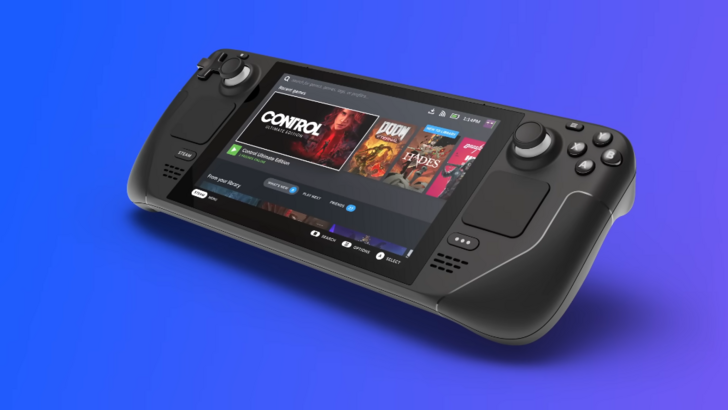
Unlike smartphones with their annual upgrade cycles, Valve has confirmed the Steam Deck won't see yearly releases. This decision, explained by designers Lawrence Yang and Yazan Aldehayyat, prioritizes substantial improvements over incremental changes.
Valve's Approach to Steam Deck Updates
"Not Fair to Customers," Say Steam Deck Designers

Valve rejects the annual hardware release trend prevalent among competitors. Yang stated they won't release yearly updates, deeming such frequent, minor improvements unfair to consumers. The focus is on significant, "generational leap" upgrades that justify the wait and investment, without compromising battery life.
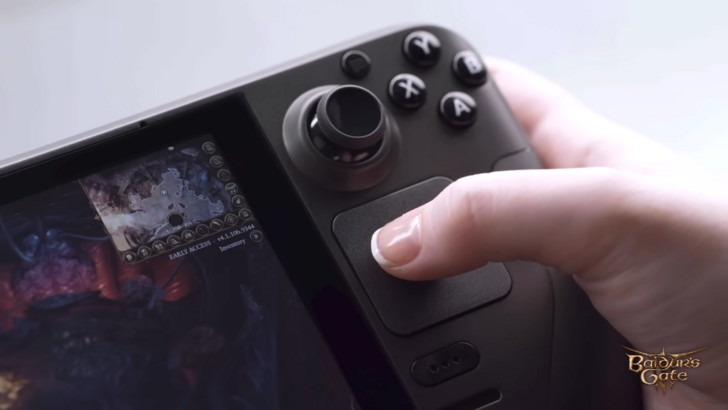
Aldehayyat highlighted Valve's dedication to solving user problems related to playing PC games on the go. While acknowledging room for improvement, they celebrate the Steam Deck's progress and welcome competition, viewing it as beneficial for gamers. They particularly highlighted the innovative touchpads, suggesting other handhelds could benefit from similar features.
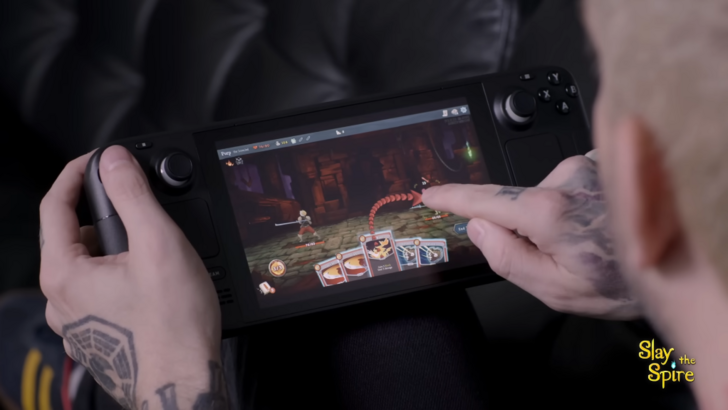
Discussing the OLED Steam Deck, Aldehayyat cited variable refresh rate (VRR) as a highly desired, yet unrealized, feature. Yang clarified the OLED model was a refinement, not a second-generation device. Future models will prioritize battery life improvements, acknowledging current technological limitations.
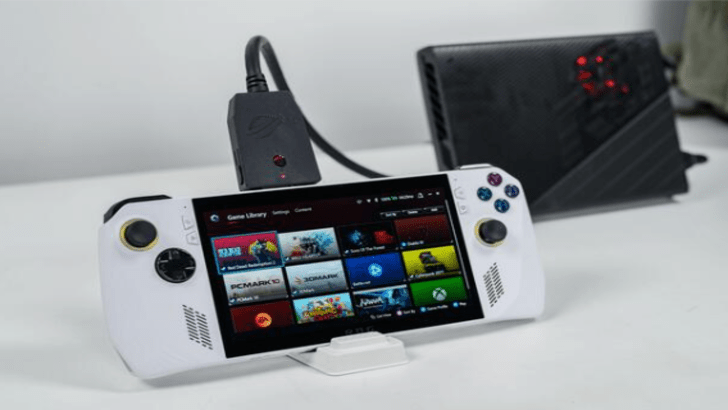
Despite the lack of frequent hardware updates, Valve isn't concerned about falling behind competitors like the Asus ROG Ally and Ayaneo devices. They view the market as a collaborative space, welcoming innovation and diverse design choices. Aldehayyat expressed excitement about the industry's progress in enhancing the mobile PC gaming experience.
Steam Deck Officially Launches in Australia This November
The global rollout of the Steam Deck has influenced Valve's strategy. Its official launch in Australia this November 2024 (announced at PAX Australia) highlights the complexities of international distribution. Yang cited logistical challenges, including financial due diligence, warehousing, shipping, and returns, as reasons for the delayed launch.
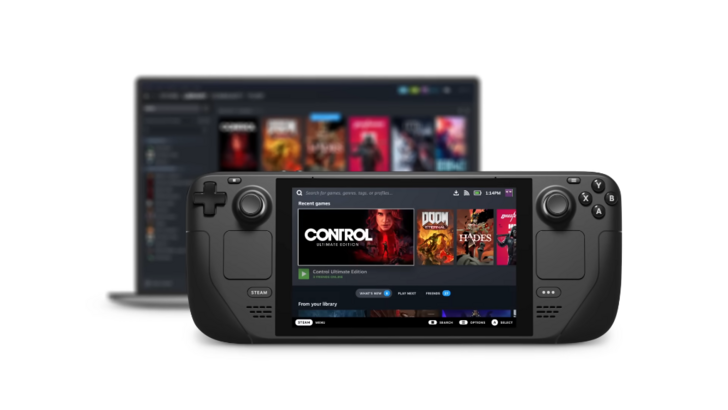
Currently, the Steam Deck isn't officially sold in several countries, including Mexico, Brazil, and parts of Southeast Asia. While unofficial access exists, users in these regions lack official support, warranties, and easy access to accessories. Conversely, the Steam Deck is readily available in the US, Canada, much of Europe, and parts of Asia.
Latest Articles
Goblin Valley: Cozy Home Game Opens Pre-Registration
Build and expand your thriving goblin farm villageInteract with quirky goblins, each with unique personalitiesMonitor and fulfill your goblin residents' needsUnimob Global has recently launched pre-registrations for Idle Goblin Valley: Chill Farm, of

Heartopia is kicking off its first closed beta test next month
The initial CBT runs from November 4th through the 18thEngage in hobbies such as fishing, birdwatching, and cookingAdopt pets, customize your home interior, and design unique outfitsHeartopia, XD Games’ highly anticipated life simulation title announ

Summoners War set to host collaboration with the iconic fantasy book series The Lord of the Rings
Summoners War: Sky Arena has teamed up with none other than The Lord of the Rings.
Set to launch later this month, the collaboration brings iconic characters from the Fellowship and beyond into the game.
The Lord of the Rings needs no introduction—it

Another Eden expands its Chrono Cross collaboration content with Glenn and new story
Another Eden is introducing fresh content to its existing Chrono Cross collaboration materialThe release includes a beloved character named Glenn from The Cursed DragoonA new character and upcoming events are also being added to honor Japan Cat DayAl

The $13 FrSara Portable Neck Fan Is an Inexpensive Solution to Beating the Summer Heat
Summer has arrived, and neck fans are seeing a surge in popularity. These portable fans offer a simple, effective, and affordable way to stay cool and comfortable. Amazon is currently offering 50% off the FrSara Rechargeable Portable Neck Fan with th

Hand-Drawn Photography Adventure Game TOEM Opens Pre-Registration on Mobile
BAFTA-winning title TOEM: A Photo Adventure arrives on mobile devices worldwide.
Developed by Swedish indie studio Something We Made, pre-registration for TOEM is now available on Android. The official release date is set for October 22nd.
Fun fact:
Latest Games

Squla
Educational丨60.6 MB

XXXTentacion Tiles Rush Hop
Music丨71.6 MB

Mis Primeras Notas Musicales
Music丨16.9 MB

Rhythm Patrol
Music丨151.7 MB

Piano Star
Music丨88.3 MB

XTrem Racing
Racing丨140.1 MB

Jeep Drive : Cherokee SRT8
Racing丨91.2 MB


Zombie Derby
Racing丨53.0 MB









Top News
MORE +

01
01-07
BREAKING: Flight Simulator 2024 Login Woes Ground Players
Flight Simulator 2024 Launch Plagued by Technical Difficulties
The highly anticipated launch of Flight Simulator 2024 has been significantly hampered by widespread technical problems, leaving many players grounded before they could even take to the virtual skies. This article details the reported d
02
01-06
CDPR acknowledged weak gameplay in The Witcher 3
The Witcher 3, while critically acclaimed, wasn't without its flaws. Many fans felt the combat system fell short.
In a recent interview, Witcher 4's game director, Sebastian Kalemba, acknowledged weaknesses in the previous game's gameplay, specifically highlighting the need for significant improvem
03
11-17
Hogwarts Legacy 2 is "One of the Biggest Priorities" for WB Games
Following the successful launch of Quidditch Champions this week, Warner Bros. Discovery has confirmed its plans for a sequel to last year's Harry Potter-based action RPG hit Hogwarts Legacy—2023's best-selling game.Hogwarts Legacy Sequel Plans Confirmed by Warner Bros. DiscoveryExpected in
04
11-16
Airplane Chefs Brings The Ultimate Snack, Pringles, On Board!
Buckle up for some snacks as Nordcurrent has just dropped an exciting event for their cooking game. It’s the most unexpected collab of Airplane Chefs and Pringles. If you’ve been enjoying your virtual life as a flight attendant, things are about to get a lot tastier.The game developer behind p
05
11-16
Play Together to collaborate with Sanrio and introduce new My Melody and Kuromi content
Play Together is bringing back its Sanrio collab with the appearance of My Melody and KuromiYou can collect coins by completing their themed missions that can then be used to draw exclusive itemsAs a bonus there's also new summer-themed content and events, including a major bug huntPlay Together, th
Topics
More +