
The most important resource in Minecraft: All about Wood
Author : Brooklyn
Feb 23,2025
Unlocking Minecraft's Wooden Wonders: A Comprehensive Guide to Wood Types and Uses
This guide explores Minecraft's twelve primary wood types, detailing their unique properties and diverse applications in gameplay.
Table of Contents
- Oak
- Birch
- Spruce
- Jungle
- Acacia
- Dark Oak
- Pale Oak
- Mangrove
- Warped
- Crimson
- Cherry
- Azalea
Oak
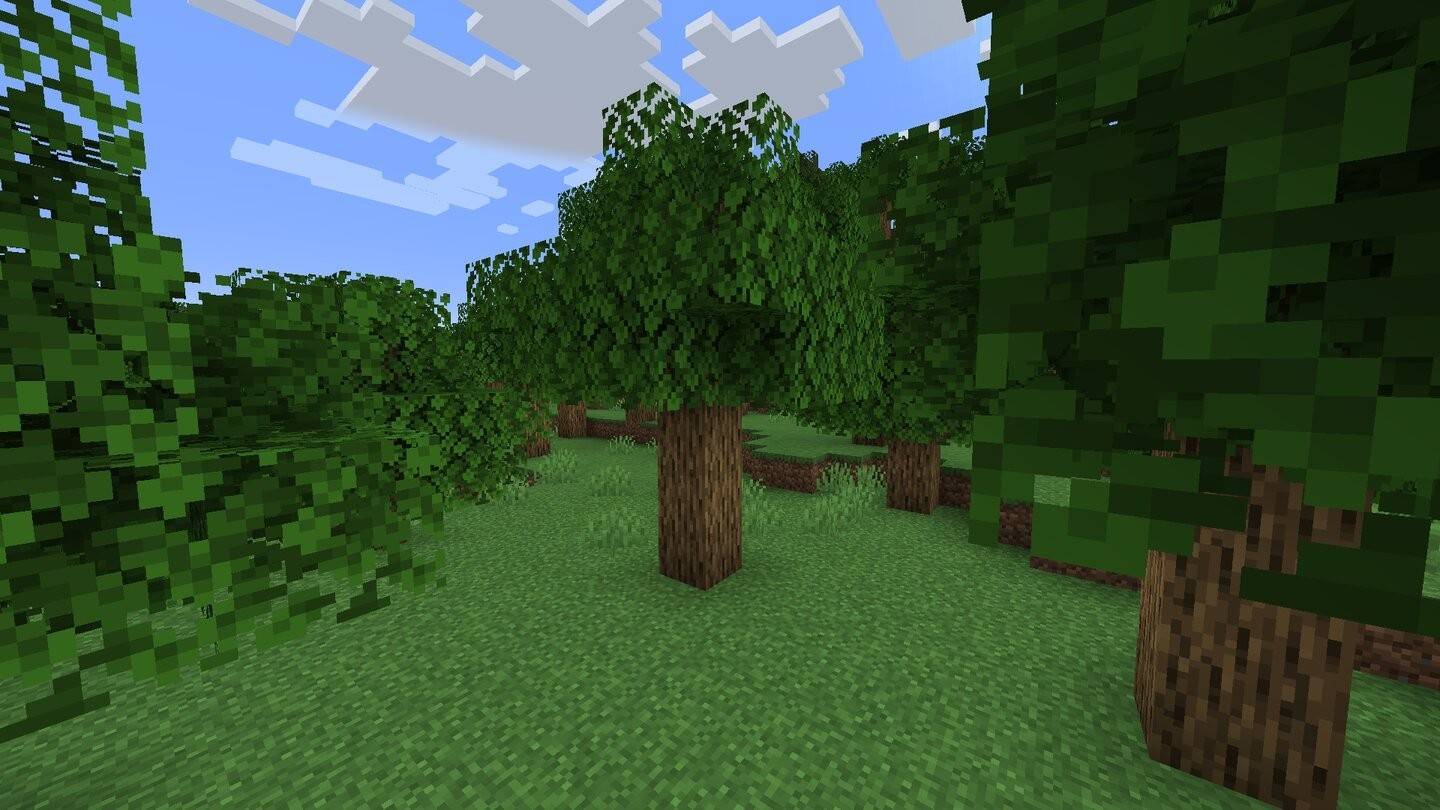 Image: ensigame.com
The ubiquitous oak, found in most biomes (excluding deserts and icy tundras), provides versatile wood for planks, sticks, fences, and ladders. Oak trees yield apples, a valuable early-game food source and golden apple ingredient. Its neutral tone suits various building styles, from rustic homes to cityscapes.
Birch
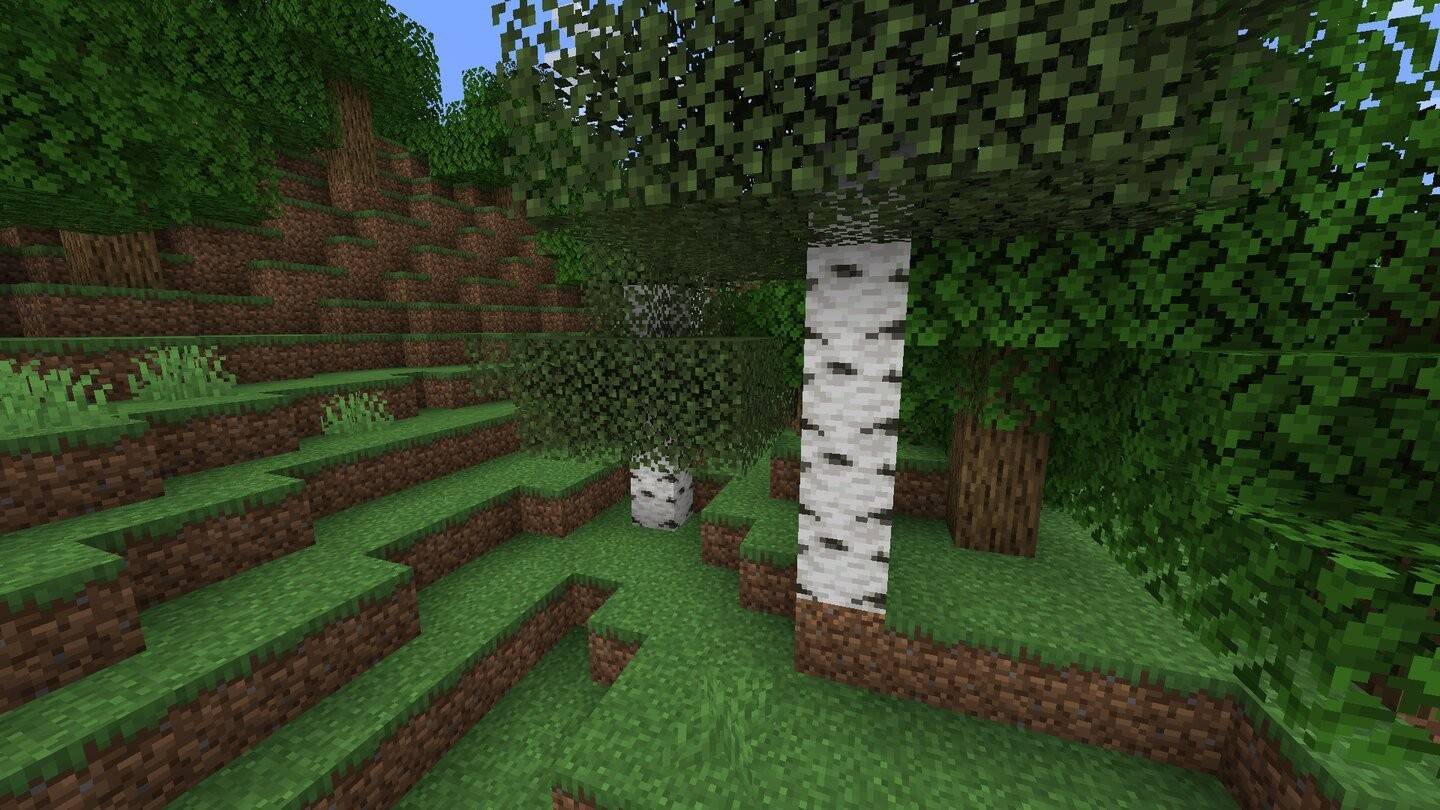 Image: ensigame.com
Birch, with its light, patterned wood, thrives in birch forests and mixed biomes. Its stylish aesthetic lends itself to modern or minimalist builds. The wood complements stone and glass, creating bright, airy interiors.
Spruce
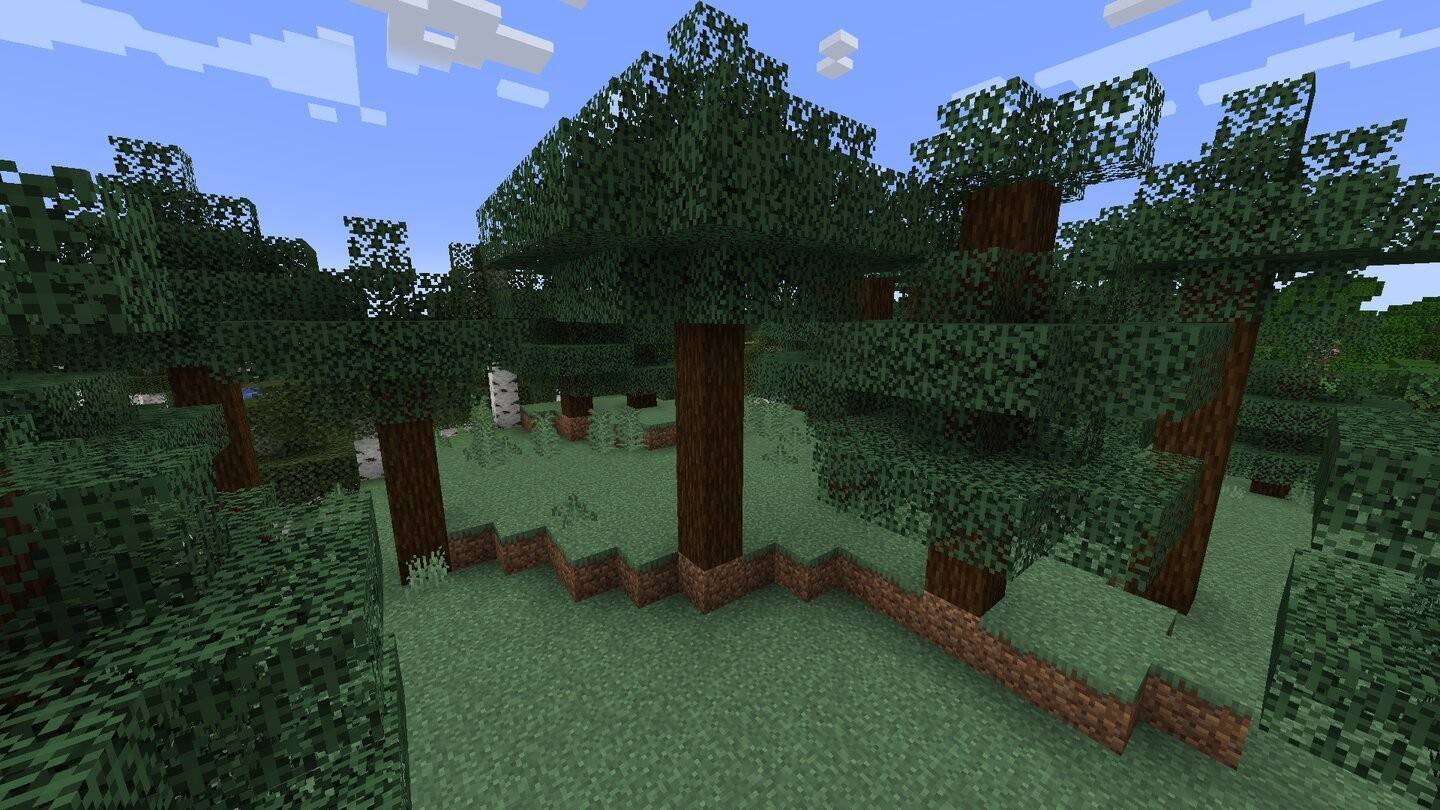 Image: ensigame.com
Dark spruce wood, harvested from taiga and snowy biomes, is ideal for gothic or grim structures. Its height presents a harvesting challenge but contributes a warm, robust feel to medieval castles, bridges, or country houses.
Jungle
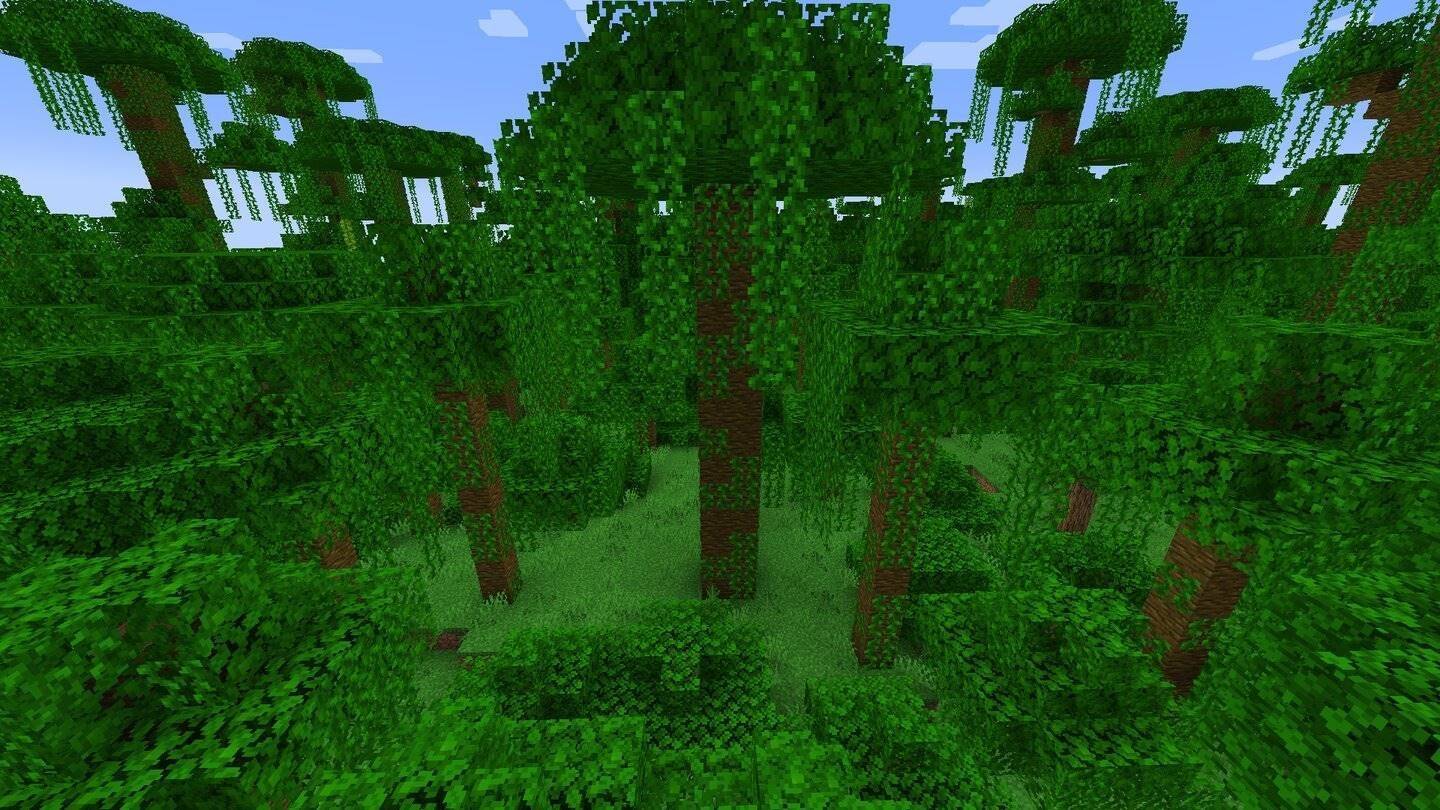 Image: ensigame.com
Jungle trees, towering giants found exclusively in jungles, offer brightly hued wood primarily used for decoration. Their cocoa bean yield makes them essential for cocoa farms. The exotic look is perfect for adventure-themed builds or pirate hideouts.
Acacia
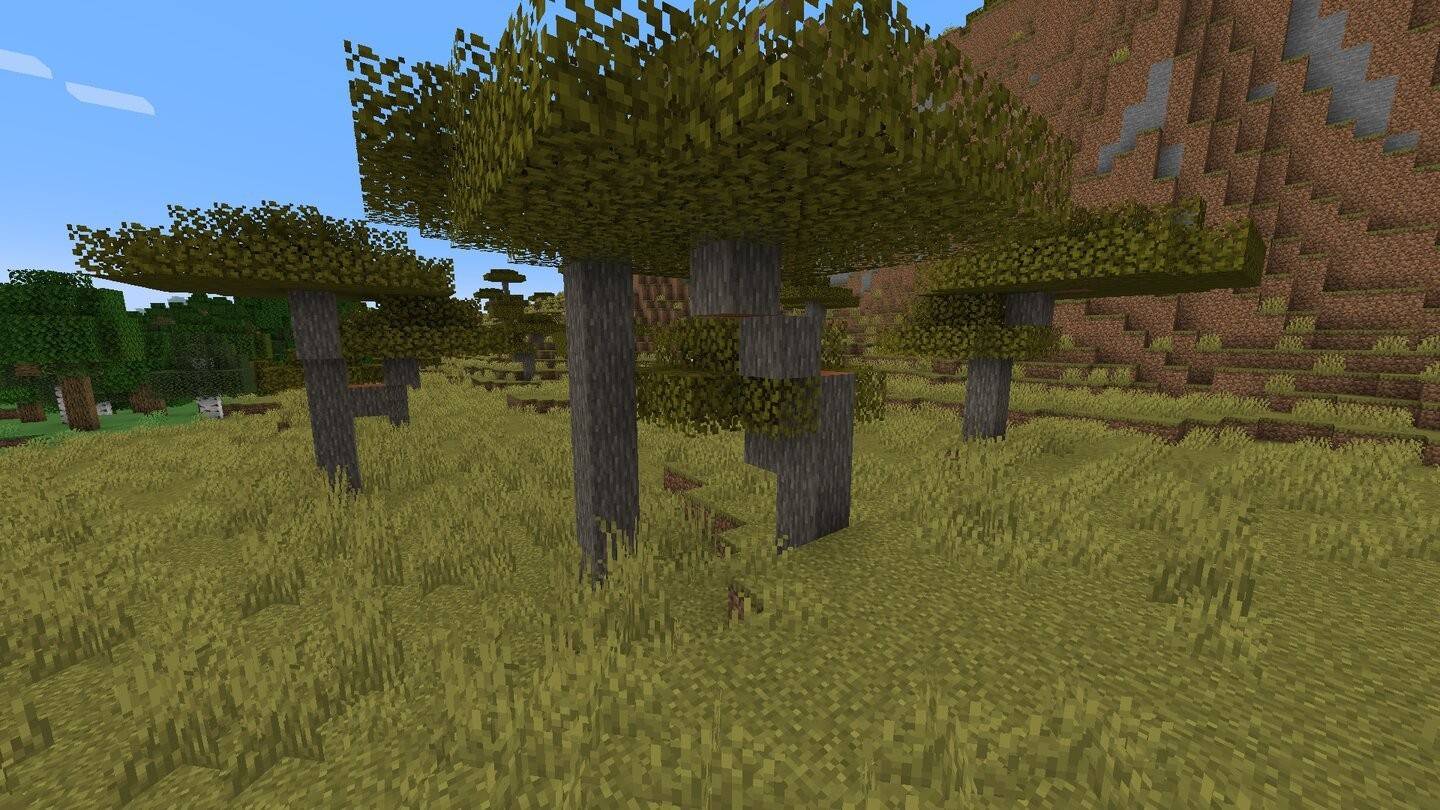 Image: ensigame.com
Acacia's reddish wood, found in savannas, stands out with its horizontally branching structure. Its unique appearance is well-suited for ethnic villages, desert bridges, or African-inspired constructions.
Dark Oak
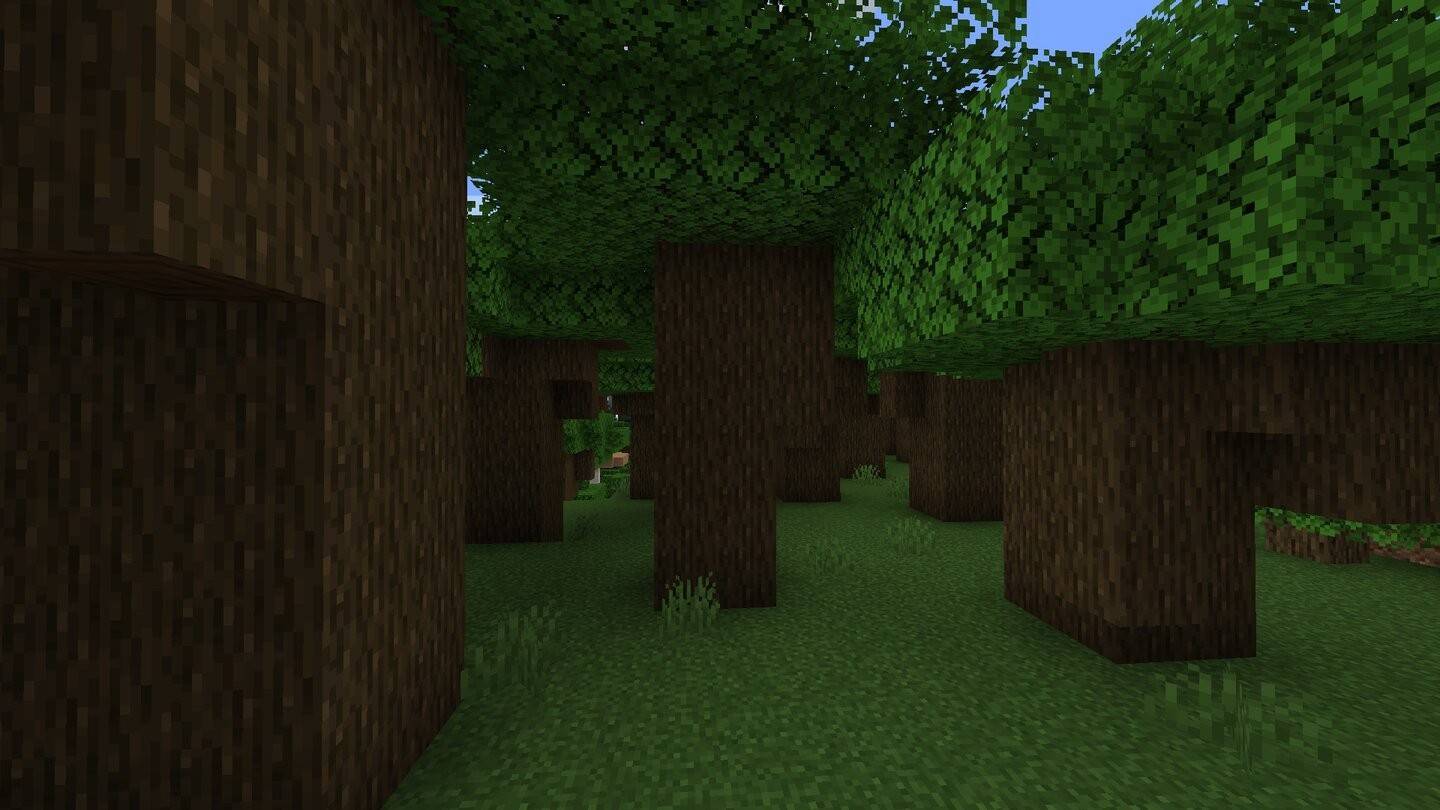 Image: ensigame.com
Dark oak, with its rich, chocolate-brown hue, is a popular choice for castles and medieval structures. Found only in Roofed Forests, it requires four saplings for planting. Its deep texture creates luxurious interiors and impressive doors.
Pale Oak
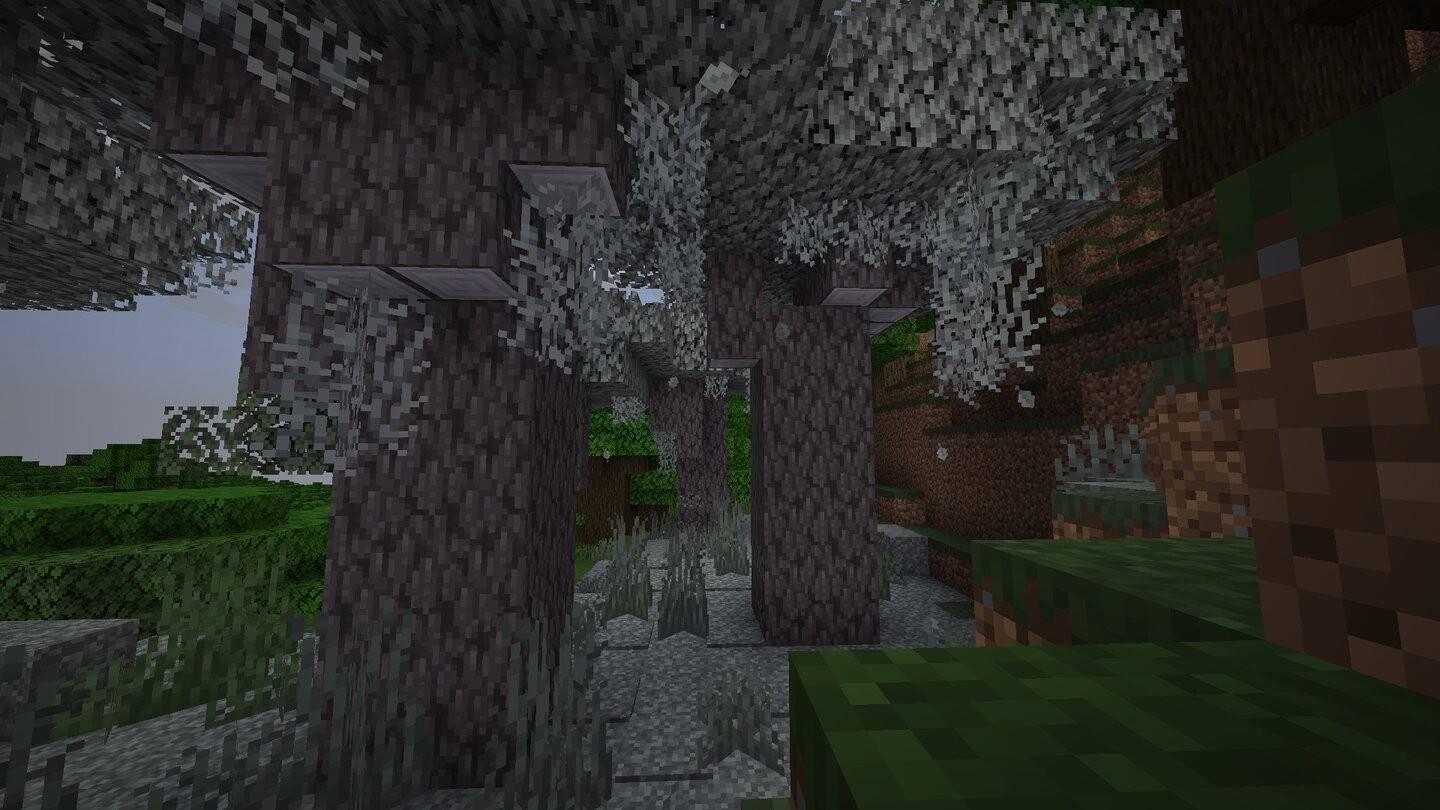 Image: ensigame.com
A rare find in Pale Gardens, pale oak shares dark oak's texture but boasts gray tones and hanging moss. Its trunk contains "skripcevina," summoning hostile "skripuns" at night. It pairs beautifully with dark oak, offering a striking color contrast.
Mangrove
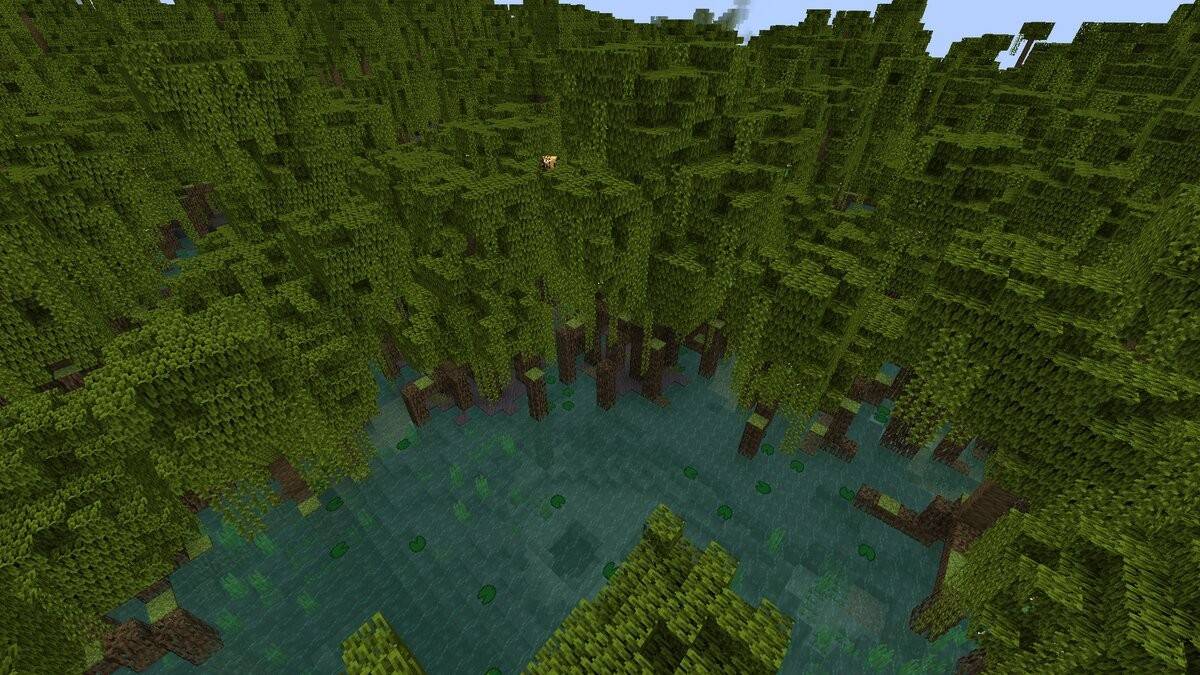 Image: youtube.com
A recent addition, mangrove wood, found in mangrove swamps, possesses a reddish-brown tint. Its roots serve as decorative building elements. It's perfect for piers, bridges, and swamp-themed structures, adding authenticity to builds.
Warped
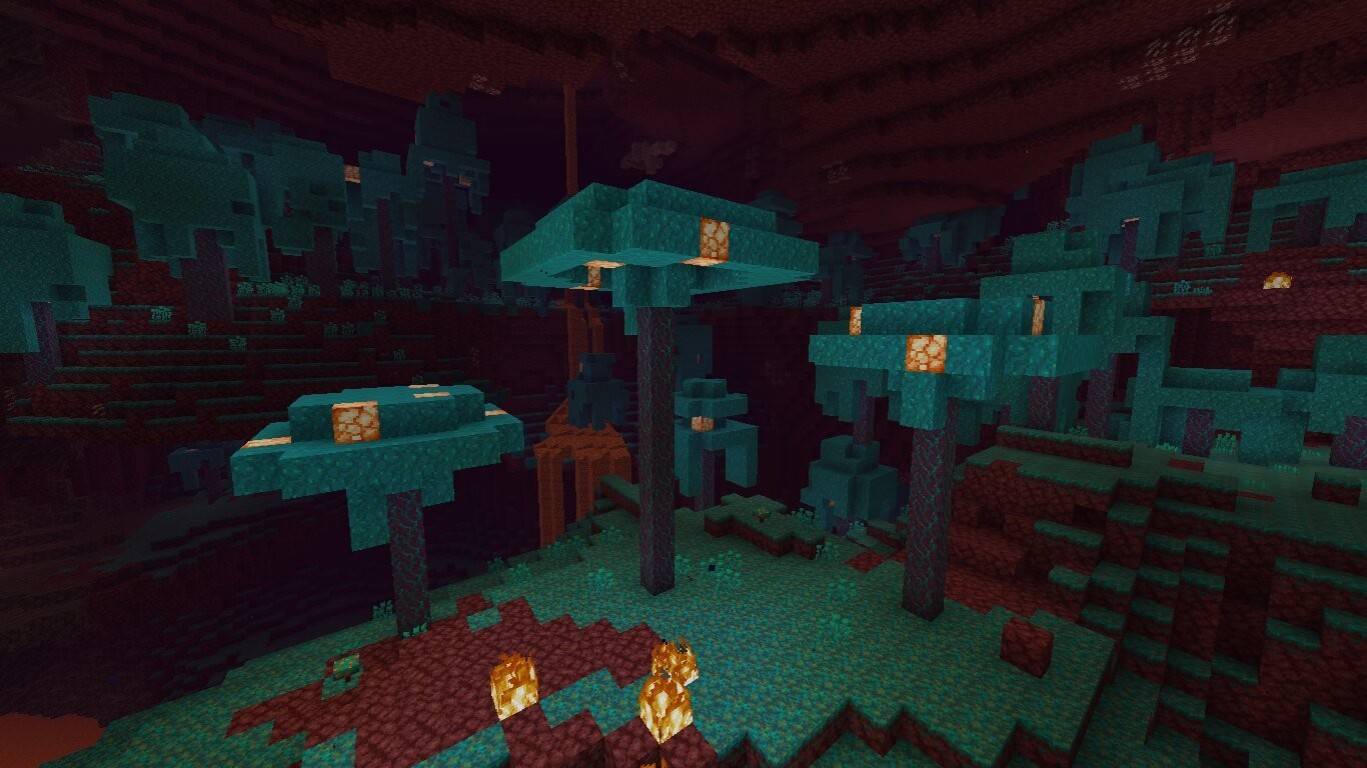 Image: feedback.minecraft.net
One of the Nether's two wood types, warped wood's turquoise color creates unique fantasy structures. Its bright texture is ideal for magic towers, mystical portals, or decorative gardens. Nether wood is non-flammable.
Crimson
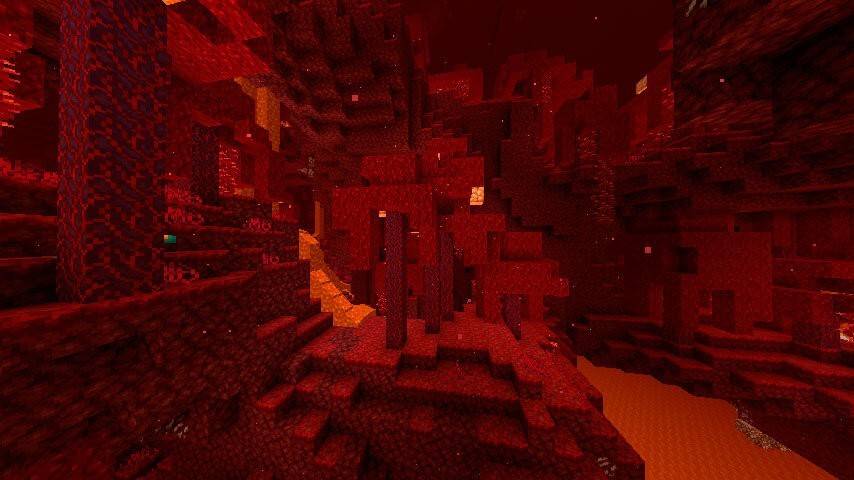 Image: pixelmon.site
The Nether's other wood type, crimson wood's red-purple shade is perfect for dark or demonic builds. Its non-flammability makes it suitable for hazardous environments. It's also popular for Nether-themed interiors.
Cherry
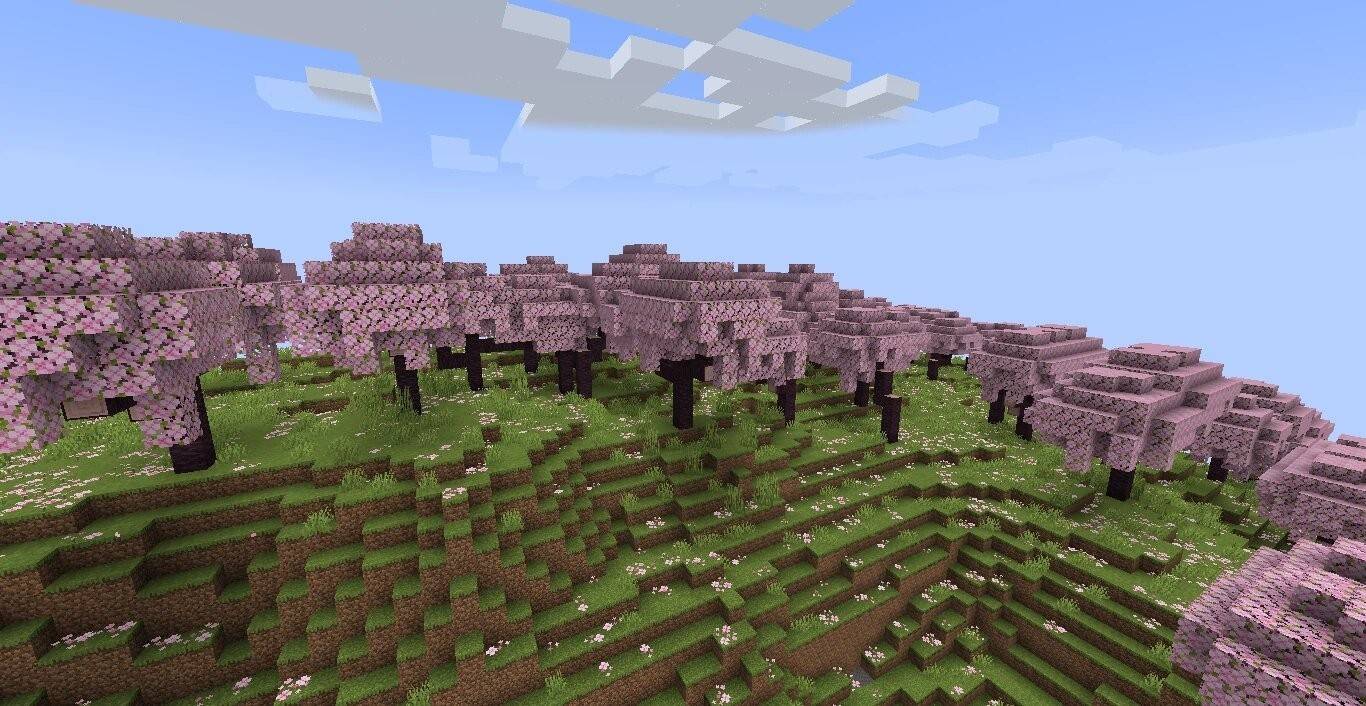 Image: minecraft.fandom.com
Found only in cherry groves, cherry trees generate unique falling-petal particles. Its bright pink wood is used for interior decoration and unique furniture.
Azalea
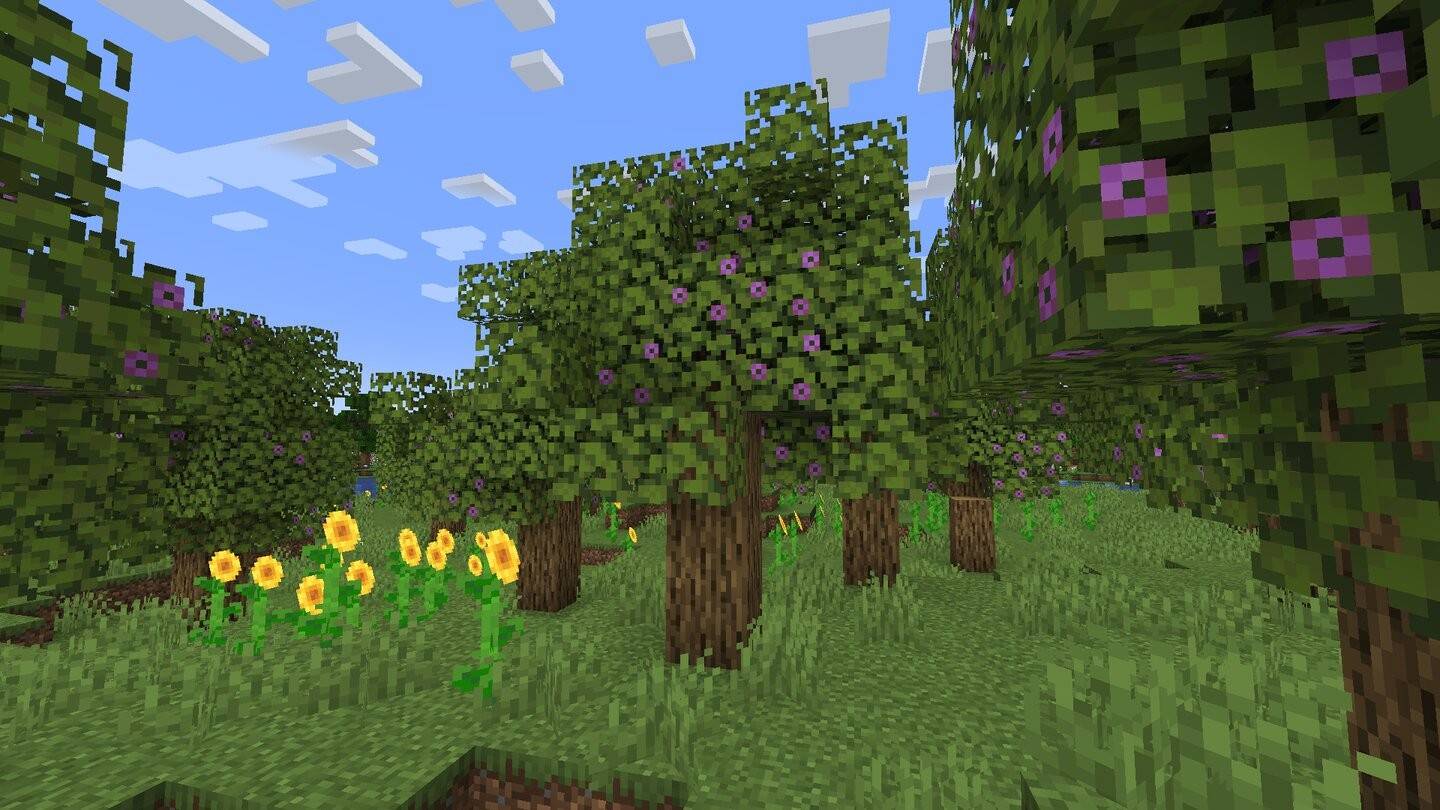 Image: ensigame.com
Similar to oak but with distinctive features, azalea trees grow above lush caves, aiding mine discovery. It has a root system. Its wood is standard oak, but the flowering tree itself adds design interest.
Beyond crafting, wood's aesthetic versatility allows for creative building, decoration, and even farming. Explore the diverse wood types to build your Minecraft masterpiece!
Latest Articles
Konami Livestream: Metal Gear Solid Delta, Silent Hill f Details Revealed This Week
Play I'm particularly hopeful that Konami’s mention of "and more" will include No Code’s Silent Hill Townfall. It’s been years since we’ve received meaningful updates, and I’m eager to learn more. I’m also still waiting for news on future remakes or
Black Ops 7 Rating Hints at Premium Content Continuation
Call of Duty fans think they've found evidence suggesting that Call of Duty: Black Ops 7 will let players transfer their cosmetic skins from Black Ops 6.The ESRB rating has confirmed Black Ops 7 will be rated M for Mature 17+ and release on PC, PS5,

My Little Pomodoro Boosts Focus, Hits Android
Most productivity timers demand your focus. Devfloor's new release, My Little Pomodoro: Focus, actually gives something in return. This charming Android app transforms concentration into a rewarding experience rather than a tedious obligation.Underst
Tekken 8 Director Slams Fan Over Anna Williams' New Look: 'Unconstructive and Pointless'
Play
Tekken 8 veteran Anna Williams is making her return to the roster, and while her redesigned look has been well received by the majority of fans, it has also sparked some debate—particularly over comparisons of her new outfit to Santa Claus.
When a fan asked Tekken game director and chief prod
Ready or Not Shares Update in Censorship and Review-Bomb Fight
VOID Interactive has responded to player criticism following updates to the PC version of its controversial shooter Ready or Not, implemented to secure its console release. The studio clarified there have been "misconceptions and misinformation" rega
Colors of Life: 365 New Mobile Puzzles Annually
Colors of Life is an Android game that offers a fresh take on coloring. As the name suggests, you fill in colors, combining classic color-by-number mechanics with pixel art style. Developed by Rursus, it’s free to play with optional extras available
Latest Games

Game Vault:Slots Game
Card丨46.10M

Just Dance Now
Music丨127.48MB

Boarding School
Casual丨190.30M

Motorbike Rush Drive Simulator
Racing丨88.3 MB



Project Pentjet
Music丨6.51MB

3D World - Puzzle game
Educational丨63.75MB

تخته نرد حرفه ای
Card丨3.20M









Top News
MORE +

01
01-07
BREAKING: Flight Simulator 2024 Login Woes Ground Players
Flight Simulator 2024 Launch Plagued by Technical Difficulties
The highly anticipated launch of Flight Simulator 2024 has been significantly hampered by widespread technical problems, leaving many players grounded before they could even take to the virtual skies. This article details the reported d
02
01-06
CDPR acknowledged weak gameplay in The Witcher 3
The Witcher 3, while critically acclaimed, wasn't without its flaws. Many fans felt the combat system fell short.
In a recent interview, Witcher 4's game director, Sebastian Kalemba, acknowledged weaknesses in the previous game's gameplay, specifically highlighting the need for significant improvem
03
11-17
Hogwarts Legacy 2 is "One of the Biggest Priorities" for WB Games
Following the successful launch of Quidditch Champions this week, Warner Bros. Discovery has confirmed its plans for a sequel to last year's Harry Potter-based action RPG hit Hogwarts Legacy—2023's best-selling game.Hogwarts Legacy Sequel Plans Confirmed by Warner Bros. DiscoveryExpected in
04
11-16
Airplane Chefs Brings The Ultimate Snack, Pringles, On Board!
Buckle up for some snacks as Nordcurrent has just dropped an exciting event for their cooking game. It’s the most unexpected collab of Airplane Chefs and Pringles. If you’ve been enjoying your virtual life as a flight attendant, things are about to get a lot tastier.The game developer behind p
05
11-16
Play Together to collaborate with Sanrio and introduce new My Melody and Kuromi content
Play Together is bringing back its Sanrio collab with the appearance of My Melody and KuromiYou can collect coins by completing their themed missions that can then be used to draw exclusive itemsAs a bonus there's also new summer-themed content and events, including a major bug huntPlay Together, th
Topics
More +