The Gaming Laptop Trends of CES 2025
Author : Aurora
Feb 27,2025
CES 2024 showcased a plethora of gaming laptops, revealing key trends shaping the market. This overview highlights the most significant developments.
Diverse Design Language
While gaming laptops have always offered stylistic variety, this year felt particularly distinct. Manufacturers like Gigabyte and MSI are blurring the lines between productivity and gaming aesthetics. High-end models are increasingly emphasizing design elements beyond raw hardware specifications.
This translates to a broader range of choices. Sleek, professional designs like the Gigabyte Aero series coexist with visually striking models such as the MSI Titan 18 HX AI Dragonforged Edition, which boldly displays its gaming pedigree.
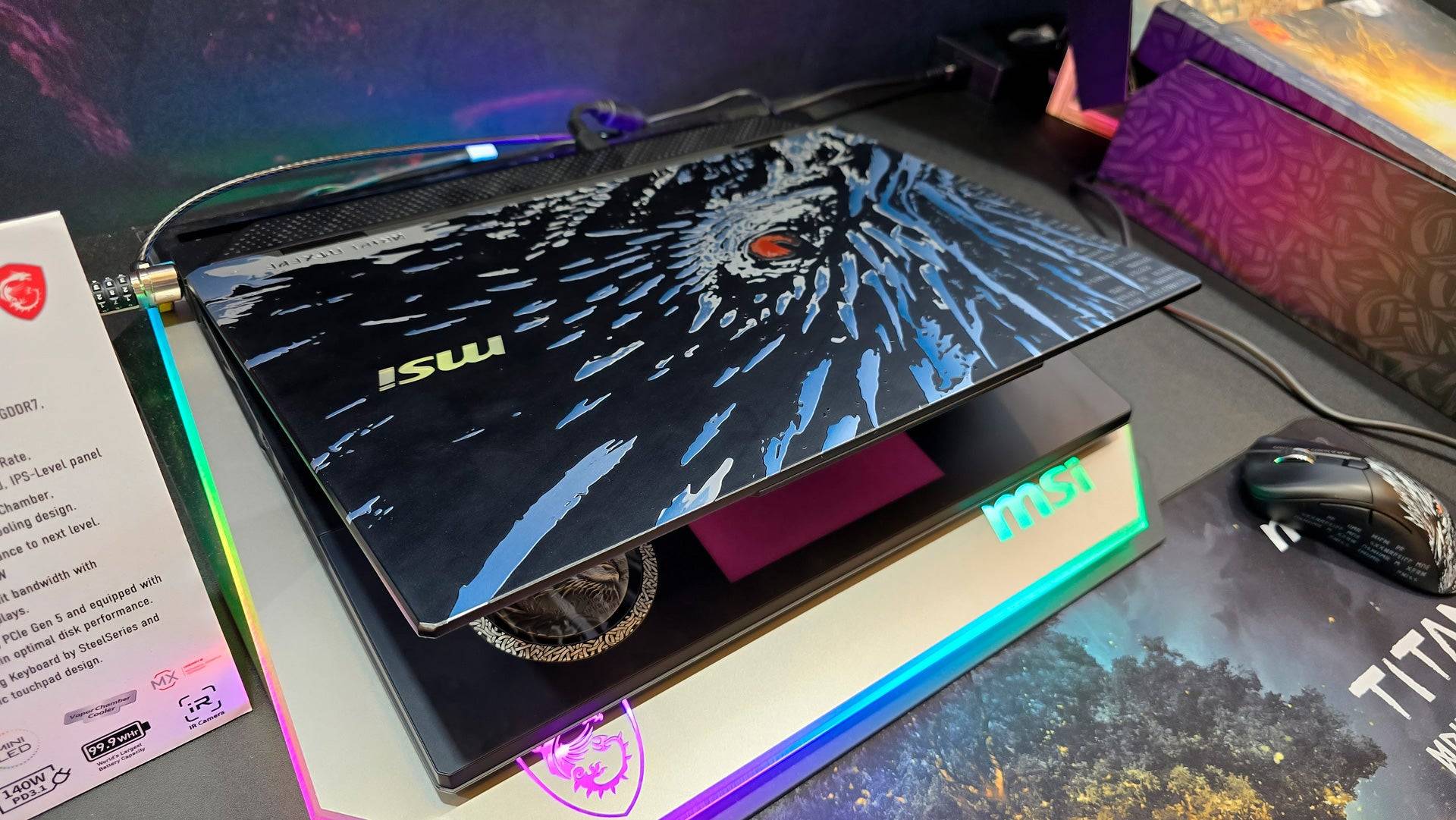 RGB lighting remains a staple, with innovative implementations like wrap-around lighting, illuminated keyboards, and even trackpad lighting. Asus ROG Strix Scar's AniME Dot Matrix LED display, capable of displaying text and animations, is a noteworthy example.
Expect a continuation of this trend, with both familiar form factors (large and heavy to thin and light) and innovative designs.
AI Integration Takes Center Stage
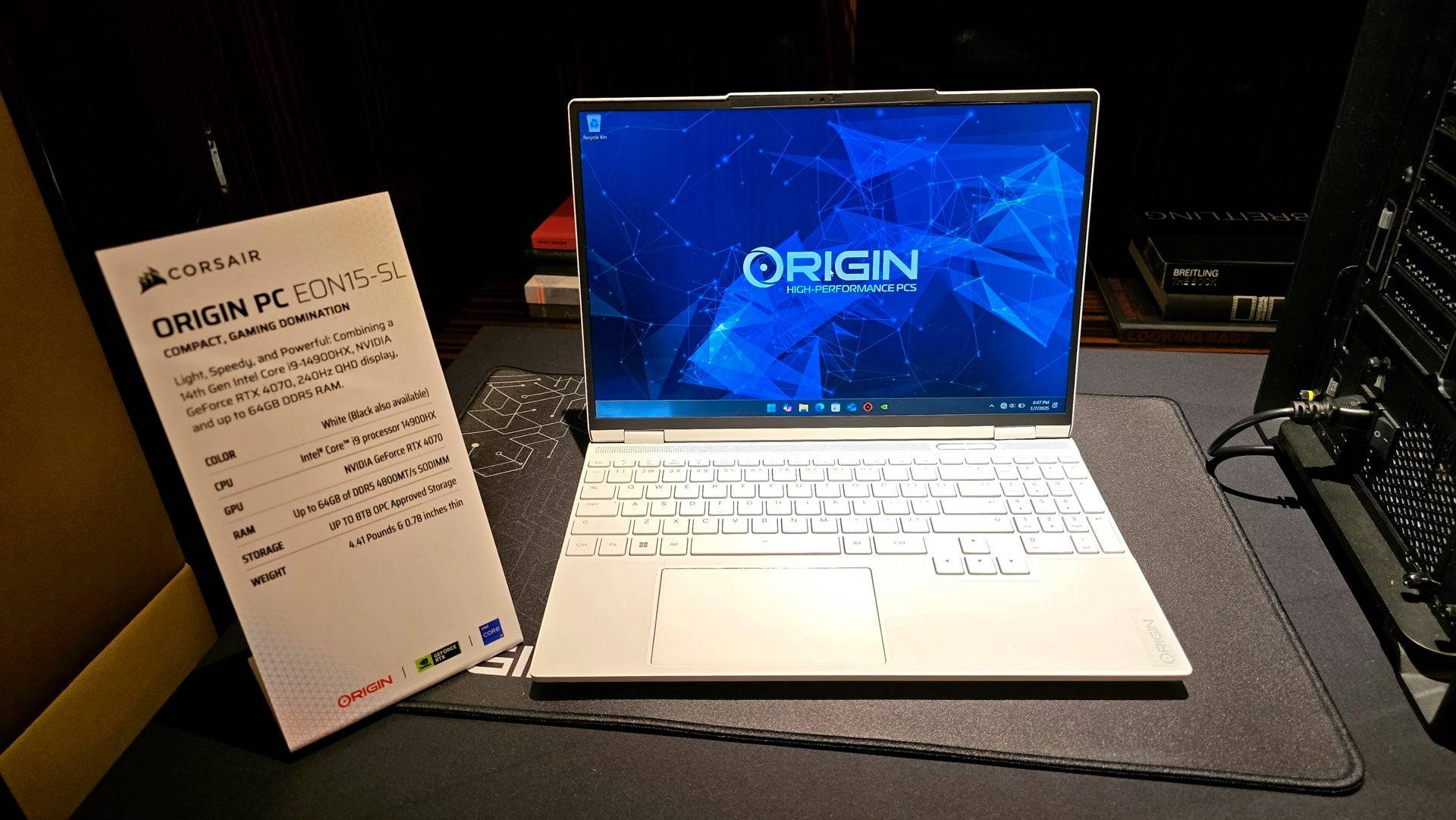
AI assistance in laptops gained traction last year, but integrations often fell short. This year, several vendors showcased more refined AI assistants designed for seamless PC control without requiring dedicated software.
One MSI demonstration showcased an AI assistant automatically optimizing performance settings based on the specified game. While the practicality and speed advantage over manual adjustments remain to be seen, the potential for offline operation is promising.
Mini-LED, Rollable Screens, and Other Innovations
Mini-LED technology is finally gaining significant traction in gaming laptops. Asus, MSI, and Gigabyte all presented Mini-LED models with high-end specifications. These laptops boast over 1,100 local dimming zones, resulting in superior contrast, brightness, and color accuracy. While OLED retains a contrast advantage, Mini-LED's lack of burn-in risk and higher sustained brightness make it a compelling alternative.
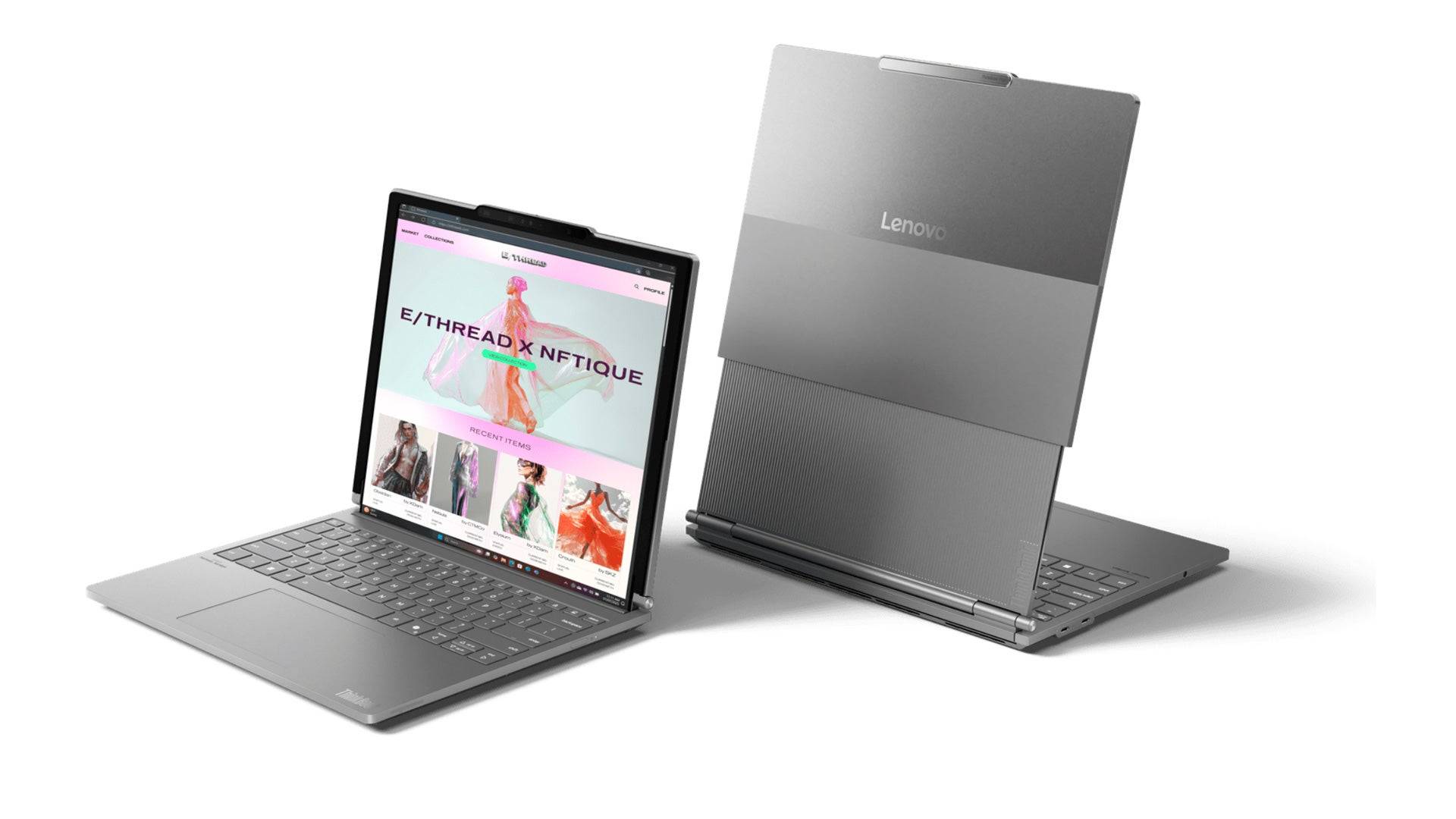
Novelties also emerged. The ASUS ROG Flow X13 returned with USB4 eGPU support, eliminating proprietary connections. Asus showcased compatibility with a new eGPU offering up to an RTX 5090. Lenovo's ThinkBook Plus Gen 6 Rollable, while not strictly a gaming laptop, introduced a rollable OLED display, expanding screen real estate with a button press. While the design and durability remain areas for improvement, it represents a significant step forward in display technology.
Ultrabooks Continue Their Ascent
Ultrabook designs are prevalent even in gaming laptop lineups. Major manufacturers offer thin, light, and minimalist gaming laptops, exemplified by Gigabyte's revamped Aero series.
These Ultrabooks cater to users who don't require maximum settings in the latest games. They offer a balance of portability and gaming capability, and can even be paired with dedicated graphics cards (as demonstrated by the Asus TUF Gaming A14). Furthermore, powerful integrated graphics from AMD and Intel, coupled with upscaling technologies like AMD FidelityFX Super Resolution and Intel XeSS, enable playable performance in many demanding titles, potentially reducing the reliance on dedicated low-performance GPUs like the RTX 4050M. Cloud gaming services like Xbox Cloud Gaming and Nvidia GeForce Now further enhance this versatility.
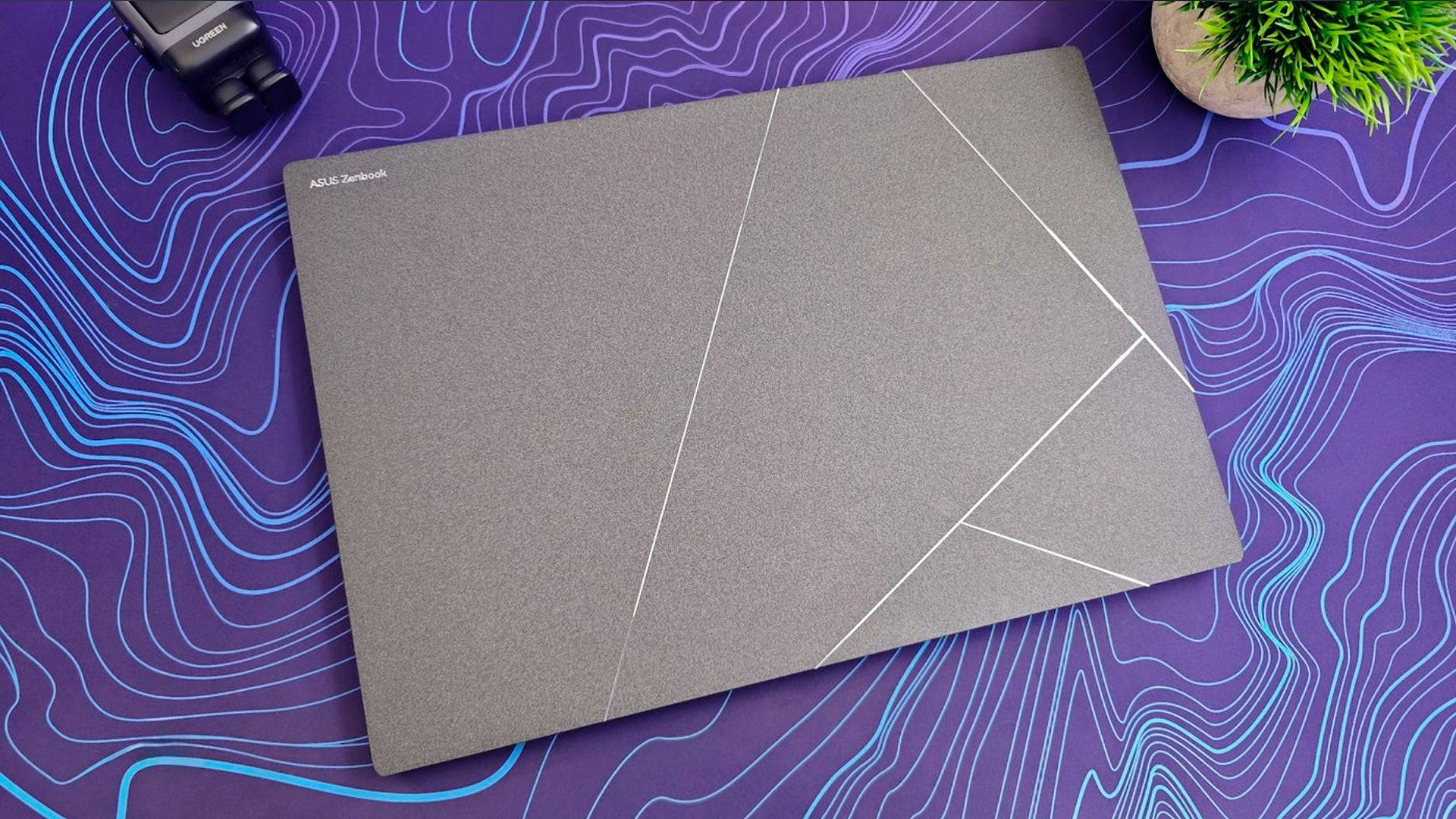
CES 2024 delivered exciting advancements in gaming laptops. The year ahead promises further exploration of these trends.
Latest Articles

My Little Pomodoro Boosts Focus, Hits Android
Most productivity timers demand your focus. Devfloor's new release, My Little Pomodoro: Focus, actually gives something in return. This charming Android app transforms concentration into a rewarding experience rather than a tedious obligation.Underst
Tekken 8 Director Slams Fan Over Anna Williams' New Look: 'Unconstructive and Pointless'
Play
Tekken 8 veteran Anna Williams is making her return to the roster, and while her redesigned look has been well received by the majority of fans, it has also sparked some debate—particularly over comparisons of her new outfit to Santa Claus.
When a fan asked Tekken game director and chief prod
Ready or Not Shares Update in Censorship and Review-Bomb Fight
VOID Interactive has responded to player criticism following updates to the PC version of its controversial shooter Ready or Not, implemented to secure its console release. The studio clarified there have been "misconceptions and misinformation" rega

Colors of Life: 365 New Mobile Puzzles Annually
Colors of Life is an Android game that offers a fresh take on coloring. As the name suggests, you fill in colors, combining classic color-by-number mechanics with pixel art style. Developed by Rursus, it’s free to play with optional extras available
Classic Fire Emblem Game Hits Nintendo Switch Online
Surprise! Fire Emblem: The Sacred Stones is now available in the Nintendo Switch Online game library.Originally hitting the Game Boy Advance in 2004, this title only reached Western audiences in 2005. It’s a standalone story following Renais' twin ro

Madoka Magica: Magia Exedra Scene 0 Part 1 Release Imminent
Puella Magi Madoka Magica Magia Exedra is set to launch a new update soon. Aniplex is introducing a limited-time event quest titled "Puella Magi Madoka Magica: Scene 0 Part I." This marks the beginning of a three-part story arc that will later integr
Latest Games

تخته نرد حرفه ای
Card丨3.20M

Militar Macizo
Action丨32.8 MB

Obama Run!
Action丨78.6 MB

Rake Monster
Action丨200.2 MB

Мафия России: Сибирская Братва
Adventure丨201.1 MB
Touchgrind X
Sports丨960.3 MB


TopTop KSA(توب توب KSA)
Casual丨265.5 MB









Top News
MORE +

01
01-07
BREAKING: Flight Simulator 2024 Login Woes Ground Players
Flight Simulator 2024 Launch Plagued by Technical Difficulties
The highly anticipated launch of Flight Simulator 2024 has been significantly hampered by widespread technical problems, leaving many players grounded before they could even take to the virtual skies. This article details the reported d
02
01-06
CDPR acknowledged weak gameplay in The Witcher 3
The Witcher 3, while critically acclaimed, wasn't without its flaws. Many fans felt the combat system fell short.
In a recent interview, Witcher 4's game director, Sebastian Kalemba, acknowledged weaknesses in the previous game's gameplay, specifically highlighting the need for significant improvem
03
11-17
Hogwarts Legacy 2 is "One of the Biggest Priorities" for WB Games
Following the successful launch of Quidditch Champions this week, Warner Bros. Discovery has confirmed its plans for a sequel to last year's Harry Potter-based action RPG hit Hogwarts Legacy—2023's best-selling game.Hogwarts Legacy Sequel Plans Confirmed by Warner Bros. DiscoveryExpected in
04
11-16
Airplane Chefs Brings The Ultimate Snack, Pringles, On Board!
Buckle up for some snacks as Nordcurrent has just dropped an exciting event for their cooking game. It’s the most unexpected collab of Airplane Chefs and Pringles. If you’ve been enjoying your virtual life as a flight attendant, things are about to get a lot tastier.The game developer behind p
05
11-16
Play Together to collaborate with Sanrio and introduce new My Melody and Kuromi content
Play Together is bringing back its Sanrio collab with the appearance of My Melody and KuromiYou can collect coins by completing their themed missions that can then be used to draw exclusive itemsAs a bonus there's also new summer-themed content and events, including a major bug huntPlay Together, th
Topics
More +