The Best Classic Board Games to Play in 2025
Author : Gabriel
Mar 17,2025
The world of board games is bursting with exciting new options, from family-friendly fun to intense strategy challenges. But the enduring appeal of classic board games shouldn't be overlooked. These timeless titles offer a compelling blend of accessibility and depth, captivating both newcomers and seasoned players alike. Let's explore some of the best classic board games that continue to stand the test of time.
TL;DR: The Best Classic Board Games

Azul Board Game
1
Pandemic
0
Ticket to Ride
0
Catan
0
Sherlock Holmes: Consulting Detective
0
Can't Stop
0
Acquire 60th Anniversary Edition
0
Diplomacy
0
Yahtzee
0
Scrabble
0
Othello
0
Crokinole
0
Liar's Dice
0
Chess - Magnetic Set
0
Playing Cards
0
Go - Magnetic Board Game Set
0Modern board game design trends, largely emerging since the mid-90s, have undeniably revolutionized the industry. However, delving into the pre-90s era reveals a treasure trove of classic games that continue to captivate players. Presented chronologically (reverse order), here are some of the best:
Azul (2017)
1Azul, despite its relatively recent release (2017), has quickly become a modern classic. This abstract game, a genre often challenging to market, is visually stunning with its vibrant, chunky tiles. Gameplay is deceptively simple: players collect matching tiles and place them on their boards, scoring points for completing rows, columns, and sets. Yet, this straightforward formula yields surprising depth and strategic interaction.
Pandemic (2008)
0Pandemic, a pioneer in the cooperative board game genre, is a true classic. Its clever mechanics and accessible rules made it a global phenomenon. Players work together to cure deadly diseases spreading across the globe, racing against time before outbreaks overwhelm the world. The constant pressure and strategic choices create a thrilling and engaging experience.
Ticket to Ride (2004)
0Designed by Alan R. Moon, Ticket to Ride is a highly accessible and engaging set collection game. Players collect colored cards to claim train routes connecting cities on a map, aiming to complete destination tickets for bonus points. The tight map and player interaction create a tense and exciting game.
Settlers of Catan (1996)
0Catan, a modern classic, revolutionized the board game landscape with its blend of dice mechanics, trading, and route planning. Players compete to colonize an island, making strategic decisions and negotiating trades to build settlements and cities. Its innovative gameplay remains highly engaging.
Sherlock Holmes Consulting Detective (1981)
0A unique blend of board game, mystery, and choose-your-own-adventure, Sherlock Holmes Consulting Detective was ahead of its time. Players work together to solve mysteries in Victorian London, using clues and deduction to crack the case.
Can't Stop (1980)
0A fast-paced and engaging dice game, Can't Stop challenges players to reach the top of columns on the board by rolling dice and strategically deciding when to stop rolling. The risk-reward element keeps players on the edge of their seats.
Acquire (1964)
0Acquire, a game of mergers, acquisitions, and stock investment, is considered by many to be a progenitor of modern gaming design. Its innovative blend of spatial challenges and economic strategy remains captivating.
Diplomacy (1959)
0Diplomacy, known for its intense player interaction and potential for backstabbing, is a game of negotiation and strategic maneuvering. Players compete to control the map of Europe, relying on alliances and betrayals to achieve victory. The simultaneous order submission adds a layer of complexity and uncertainty.
Yahtzee (1956)
0Yahtzee, a classic dice game, is surprisingly strategic despite its simple rules. Players roll dice and strategically choose which scores to keep, aiming to maximize their points. The combination of luck and skill makes for a consistently engaging experience.
Scrabble (1948)
0Scrabble, a word game known worldwide, combines vocabulary skills with strategic placement of letters on the board. Players earn points by creating words, with bonus spaces adding an extra layer of challenge and reward.
Othello/Reversi (1883)
0Othello, a classic abstract strategy game, challenges players to outmaneuver their opponent by strategically placing disks on a board, flipping their opponent's disks to their own color. The simple rules belie a deep strategic complexity.
Crokinole (1876)
0Crokinole, a dexterity game, requires players to skillfully flick wooden disks onto a circular board, aiming for high-scoring areas. The combination of precision and strategy makes for a fun and engaging experience.
Liar's Dice (1800)
0Liar's Dice, a game of bluffing and deduction, involves players secretly rolling dice and making bids on the combined values of the dice. Players must decide whether to believe their opponents' claims or call their bluff.
Chess (16th Century)
0Chess, a timeless strategy game with origins dating back centuries, pits two players against each other in a battle of wits and strategy. The complex interplay of pieces and the deep strategic possibilities make it a game that can be enjoyed for a lifetime.
Playing Cards (~900 AD)
0Playing cards, with a history spanning centuries, offer a vast array of games and possibilities. From classic games like poker and bridge to countless others, a deck of cards provides endless entertainment and strategic depth.
Go (~2200 BC)
0Go, an ancient strategy game, challenges players to control territory on a grid by placing stones. Its deceptively simple rules mask a profound strategic depth, making it a game of immense complexity and intellectual challenge.
What Makes a Board Game a “Classic”?
Defining a "classic" board game is subjective. However, key factors include sales figures, influence on game design, and overall brand recognition. Games like Ticket to Ride, with millions of copies sold, clearly transcend the niche hobby market. Others, like Sid Sackson's Acquire, may have had a profound influence on game design despite limited widespread popularity. Finally, some games achieve classic status simply through widespread recognition and enduring appeal, even if their gameplay might not be considered groundbreaking.
Latest Articles
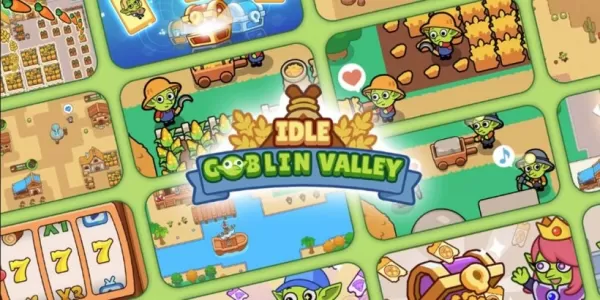
Goblin Valley: Cozy Home Game Opens Pre-Registration
Build and expand your thriving goblin farm villageInteract with quirky goblins, each with unique personalitiesMonitor and fulfill your goblin residents' needsUnimob Global has recently launched pre-registrations for Idle Goblin Valley: Chill Farm, of

Heartopia is kicking off its first closed beta test next month
The initial CBT runs from November 4th through the 18thEngage in hobbies such as fishing, birdwatching, and cookingAdopt pets, customize your home interior, and design unique outfitsHeartopia, XD Games’ highly anticipated life simulation title announ
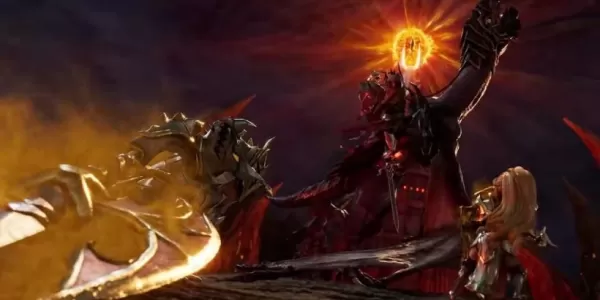
Summoners War set to host collaboration with the iconic fantasy book series The Lord of the Rings
Summoners War: Sky Arena has teamed up with none other than The Lord of the Rings.
Set to launch later this month, the collaboration brings iconic characters from the Fellowship and beyond into the game.
The Lord of the Rings needs no introduction—it
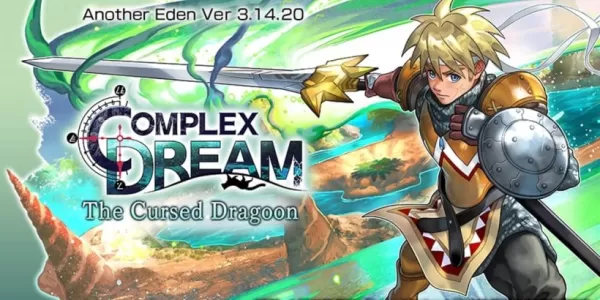
Another Eden expands its Chrono Cross collaboration content with Glenn and new story
Another Eden is introducing fresh content to its existing Chrono Cross collaboration materialThe release includes a beloved character named Glenn from The Cursed DragoonA new character and upcoming events are also being added to honor Japan Cat DayAl

The $13 FrSara Portable Neck Fan Is an Inexpensive Solution to Beating the Summer Heat
Summer has arrived, and neck fans are seeing a surge in popularity. These portable fans offer a simple, effective, and affordable way to stay cool and comfortable. Amazon is currently offering 50% off the FrSara Rechargeable Portable Neck Fan with th
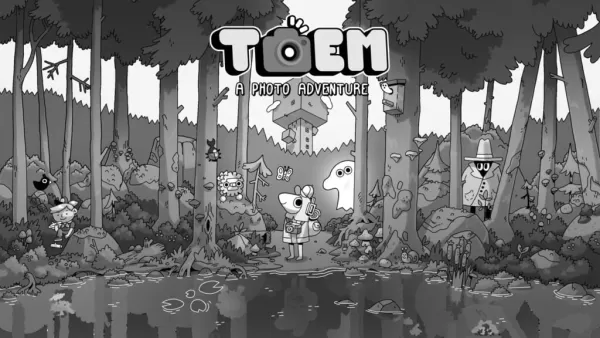
Hand-Drawn Photography Adventure Game TOEM Opens Pre-Registration on Mobile
BAFTA-winning title TOEM: A Photo Adventure arrives on mobile devices worldwide.
Developed by Swedish indie studio Something We Made, pre-registration for TOEM is now available on Android. The official release date is set for October 22nd.
Fun fact:
Latest Games
Chiron Bugatti Supercar Extra
Racing丨96.6 MB
Lada 2110 Special Unit Race
Racing丨124.3 MB

المهجول: هجولة ودرفت
Racing丨468.3 MB

Arclight City
Role Playing丨8.2 MB

Temple of Endless Night
Role Playing丨10.8 MB
BattleMass
Role Playing丨113.2 MB









Top News
MORE +

01
01-06
CDPR acknowledged weak gameplay in The Witcher 3
The Witcher 3, while critically acclaimed, wasn't without its flaws. Many fans felt the combat system fell short.
In a recent interview, Witcher 4's game director, Sebastian Kalemba, acknowledged weaknesses in the previous game's gameplay, specifically highlighting the need for significant improvem
02
01-07
BREAKING: Flight Simulator 2024 Login Woes Ground Players
Flight Simulator 2024 Launch Plagued by Technical Difficulties
The highly anticipated launch of Flight Simulator 2024 has been significantly hampered by widespread technical problems, leaving many players grounded before they could even take to the virtual skies. This article details the reported d
03
11-17
Hogwarts Legacy 2 is "One of the Biggest Priorities" for WB Games
Following the successful launch of Quidditch Champions this week, Warner Bros. Discovery has confirmed its plans for a sequel to last year's Harry Potter-based action RPG hit Hogwarts Legacy—2023's best-selling game.Hogwarts Legacy Sequel Plans Confirmed by Warner Bros. DiscoveryExpected in
04
11-16
Airplane Chefs Brings The Ultimate Snack, Pringles, On Board!
Buckle up for some snacks as Nordcurrent has just dropped an exciting event for their cooking game. It’s the most unexpected collab of Airplane Chefs and Pringles. If you’ve been enjoying your virtual life as a flight attendant, things are about to get a lot tastier.The game developer behind p
05
11-16
Play Together to collaborate with Sanrio and introduce new My Melody and Kuromi content
Play Together is bringing back its Sanrio collab with the appearance of My Melody and KuromiYou can collect coins by completing their themed missions that can then be used to draw exclusive itemsAs a bonus there's also new summer-themed content and events, including a major bug huntPlay Together, th
Topics
More +