
Civ 7: Redefining Leadership
Author : Sarah
Mar 13,2025
Civilization's leaders are as iconic as the civilizations themselves. Firaxis' approach to choosing each nation's representative has evolved significantly over the years. Let's explore the evolution of Civilization VII's leader roster and how it redefines leadership.
← Return to Sid Meier's Civilization VII main article
Civ VII Redefines What it Means to Be a Leader
Since the first game, Civ leaders have been integral to the series' identity, shaping the core gameplay experience. Each leader embodies their civilization's identity, making them as crucial as the civilization itself. While their role remains constant, the representation of leaders has diversified and evolved with each installment, refining the concept of leadership and its impact on gameplay.
This exploration delves into Civilization's history, examining the evolution of its leader roster, the changes in each iteration, and how Civilization VII uniquely redefines leadership.
Early Civ: A Club of Superpowers
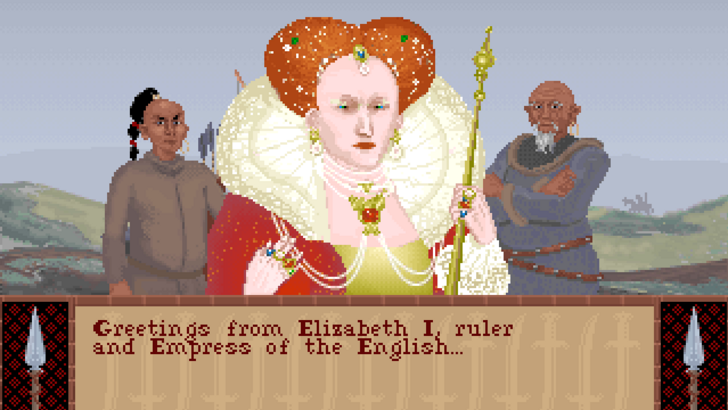
The original Civilization featured a relatively simple roster compared to later games. The focus was primarily on global superpowers of the early 1990s and historical antiquity, with predictable choices for their leaders.
Limited by the scope and technology of the time, the game included only 15 civilizations, featuring nations like America, Rome, Greece, Japan, China, France, Egypt, and Russia. Leadership was straightforward; leaders were almost exclusively historical heads of state. The selection prioritized widely recognized figures.
This resulted in figures like Abraham Lincoln, Tokugawa Ieyasu, Mahatma Gandhi, and Julius Caesar—alongside more controversial choices such as Mao Zedong and Joseph Stalin. Elizabeth I was the sole female leader. This was a clear, almost textbook approach to leader selection, reflecting the era in which the game was released. However, subsequent iterations introduced significant changes.
Civ II Through V: Increasing Diversity and Creativity
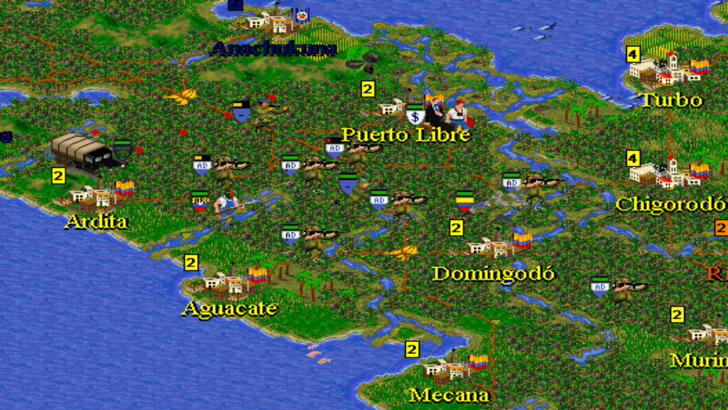
Civilization II expanded the roster and included lesser-known powers like the Sioux. Most notably, it introduced a separate roster of female leaders, providing alternative choices for each civilization.
The definition of "leader" broadened. Figures pivotal to their civilization's identity, even if not heads of state, took center stage. Examples include Sacagawea for the Sioux and Amaterasu for Japan.
Civ III integrated female leaders directly into the main roster, featuring six in total. Some replaced historically dominant male counterparts, such as Joan of Arc replacing Napoleon for France.
Civ IV and Civ V further expanded the roster and the definition of leadership. Revolutionaries, generals, reformists, and even consorts became common. Traditional figureheads were replaced or doubled, with examples including Wu Zetian replacing Mao Zedong for China. The focus shifted to a broader representation of humanity.
Civ VI: A More Character-Driven Approach
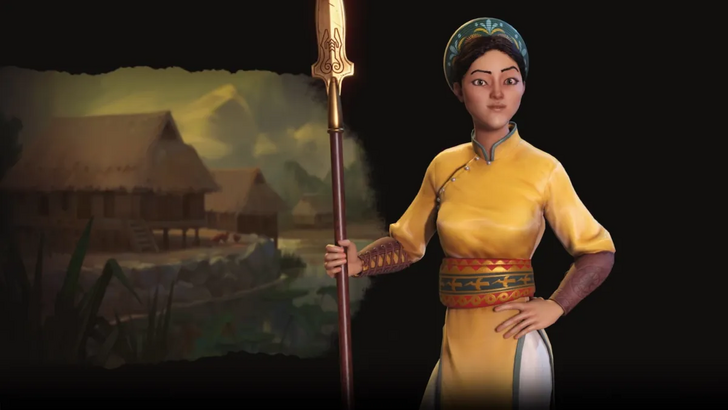
Civilization VI emphasized characterization, diversity, and creativity. Leaders were presented as stylized animated caricatures. The introduction of Leader Personas—alternative versions of the same leader highlighting different aspects of their rule—offered diverse playstyles. Lesser-known figures from less prominent civilizations were included.
Lautaro of the Mapuche and Bà Triệu of Vietnam exemplified this shift. The inclusion of multiple leader options for civilizations like America and China further broadened the possibilities. Leader Personas added depth, with figures like Catherine de Medici and Theodore Roosevelt receiving alternate versions.
Civ VII: A Fresh Perspective on Leadership
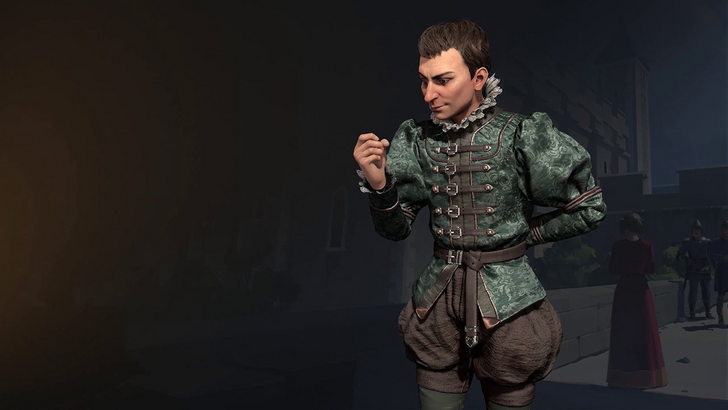
Civilization VII represents the culmination of these changes. It features the most diverse and creative roster yet, with unconventional leaders, multiple personas, and carefully curated choices tailored to different playstyles.
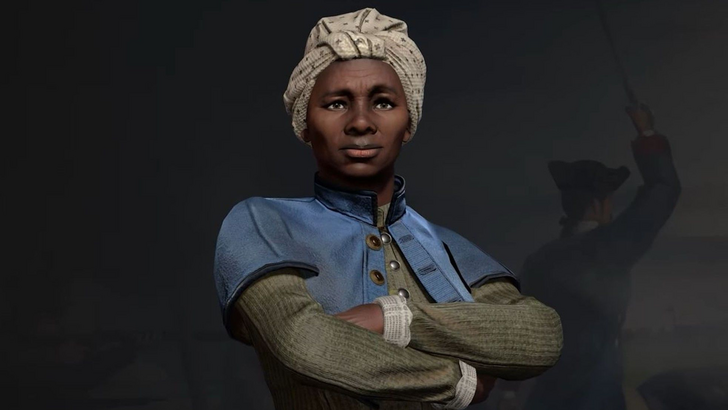
The mix-and-match approach to civilizations and leaders allows even lesser-known figures to take center stage. Harriet Tubman, the American abolitionist, is a prime example, filling a unique spymaster role. Niccolò Machiavelli, despite not being a head of state, embodies the diplomatic strategies of his writings. José Rizal of the Philippines represents a significant addition, focusing on diplomacy and narrative events.
Over nearly 30 years, Civilization has evolved from a game about superpowers to a diverse and imaginative representation of humanity's great minds. The definition of leadership has changed, but the importance of those who lead remains constant.
← Return to Sid Meier's Civilization VII main article
Sid Meier's Civilization VII Similar Games

Latest Articles
2025 Roblox Forsaken Characters Tier List
Forsaken is a Roblox game that captures the thrilling killer-versus-survivor gameplay seen in titles like Dead by Daylight, while adding its own unique spin. It delivers an exhilarating and highly replayable experience by refining this asymmetric sur

Goblin Valley: Cozy Home Game Opens Pre-Registration
Build and expand your thriving goblin farm villageInteract with quirky goblins, each with unique personalitiesMonitor and fulfill your goblin residents' needsUnimob Global has recently launched pre-registrations for Idle Goblin Valley: Chill Farm, of

Heartopia is kicking off its first closed beta test next month
The initial CBT runs from November 4th through the 18thEngage in hobbies such as fishing, birdwatching, and cookingAdopt pets, customize your home interior, and design unique outfitsHeartopia, XD Games’ highly anticipated life simulation title announ
Summoners War set to host collaboration with the iconic fantasy book series The Lord of the Rings
Summoners War: Sky Arena has teamed up with none other than The Lord of the Rings.
Set to launch later this month, the collaboration brings iconic characters from the Fellowship and beyond into the game.
The Lord of the Rings needs no introduction—it
Another Eden expands its Chrono Cross collaboration content with Glenn and new story
Another Eden is introducing fresh content to its existing Chrono Cross collaboration materialThe release includes a beloved character named Glenn from The Cursed DragoonA new character and upcoming events are also being added to honor Japan Cat DayAl

The $13 FrSara Portable Neck Fan Is an Inexpensive Solution to Beating the Summer Heat
Summer has arrived, and neck fans are seeing a surge in popularity. These portable fans offer a simple, effective, and affordable way to stay cool and comfortable. Amazon is currently offering 50% off the FrSara Rechargeable Portable Neck Fan with th
Latest Games

Farm animals
Educational丨83.1 MB

Scube
Educational丨55.44MB


Lenguaje 6 años
Educational丨33.7 MB

Squla
Educational丨60.6 MB

XXXTentacion Tiles Rush Hop
Music丨71.6 MB

Mis Primeras Notas Musicales
Music丨16.9 MB

Rhythm Patrol
Music丨151.7 MB

Piano Star
Music丨88.3 MB









Top News
MORE +

01
01-07
BREAKING: Flight Simulator 2024 Login Woes Ground Players
Flight Simulator 2024 Launch Plagued by Technical Difficulties
The highly anticipated launch of Flight Simulator 2024 has been significantly hampered by widespread technical problems, leaving many players grounded before they could even take to the virtual skies. This article details the reported d
02
01-06
CDPR acknowledged weak gameplay in The Witcher 3
The Witcher 3, while critically acclaimed, wasn't without its flaws. Many fans felt the combat system fell short.
In a recent interview, Witcher 4's game director, Sebastian Kalemba, acknowledged weaknesses in the previous game's gameplay, specifically highlighting the need for significant improvem
03
11-17
Hogwarts Legacy 2 is "One of the Biggest Priorities" for WB Games
Following the successful launch of Quidditch Champions this week, Warner Bros. Discovery has confirmed its plans for a sequel to last year's Harry Potter-based action RPG hit Hogwarts Legacy—2023's best-selling game.Hogwarts Legacy Sequel Plans Confirmed by Warner Bros. DiscoveryExpected in
04
11-16
Airplane Chefs Brings The Ultimate Snack, Pringles, On Board!
Buckle up for some snacks as Nordcurrent has just dropped an exciting event for their cooking game. It’s the most unexpected collab of Airplane Chefs and Pringles. If you’ve been enjoying your virtual life as a flight attendant, things are about to get a lot tastier.The game developer behind p
05
11-16
Play Together to collaborate with Sanrio and introduce new My Melody and Kuromi content
Play Together is bringing back its Sanrio collab with the appearance of My Melody and KuromiYou can collect coins by completing their themed missions that can then be used to draw exclusive itemsAs a bonus there's also new summer-themed content and events, including a major bug huntPlay Together, th
Topics
More +