Введение в игру
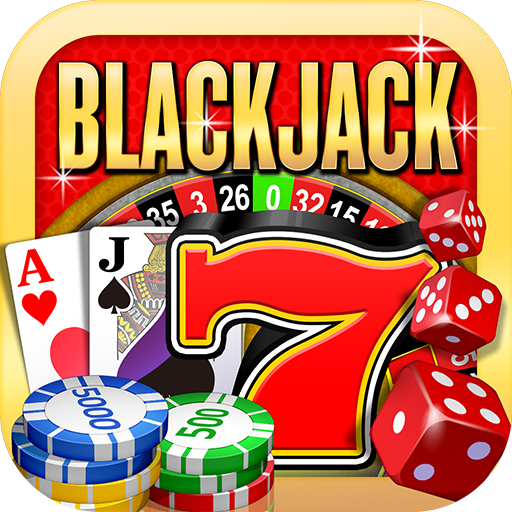
Blackjack reigns as the most widely enjoyed casino table game worldwide.
Introduction
Blackjack is the most favored casino table game you'll find. Nearly every online casino offers it. Its low house edge and manageable variance make it a superb option for meeting wagering requirements on welcome bonuses when permitted.
Rules and Gameplay
Hands in blackjack are valued by adding up the points of the cards. For instance, a hand with a 4, 5, and 6 totals 15. All face cards (Jack, Queen, King) are worth 10 points. Aces can count as either 1 or 11. So, an ace and a 7 could be counted as either 8 or 18. The goal in blackjack is to achieve a total higher than the dealer's without exceeding 21. A total over 21 is a 'bust,' which causes the player to lose the bet immediately, regardless of the dealer's hand. A two-card 21—an ace with a 10-point card—is called a 'blackjack,' the highest-ranking hand. This awards the player a bonus payout. Blackjacks typically pay 3:2, while all other winning hands pay even money (1:1).
After placing a wager, both the player and dealer receive two cards. One of the dealer's cards is dealt face-up for the player to see. According to standard rules, if the dealer's face-up card is an ace or a 10-point card, they will check ('peek') for a potential blackjack. If the dealer shows an ace, players are offered 'insurance' against the dealer having blackjack. An insurance bet pays 2:1 if the dealer's hole card is a 10 or face card, completing a blackjack. In single-hand play, the house edge on insurance ranges from 2% to 15%, depending on the number of decks in play and cards already dealt. Therefore, taking insurance is generally not advantageous for the player, except in specific situations where the remaining deck is known to be rich in 10-value cards (such as in certain single- or double-deck games with few tens drawn, or when card counting). For more detailed exceptions, consult our dedicated insurance page. If the dealer does have blackjack, the round ends. If the dealer does not have blackjack, the player decides how to proceed with their hand. The available options are:
Stand — The player keeps their current cards and ends their turn.
Hit — The player draws an additional card. They may continue hitting until they choose to stand, reach 21, or bust by exceeding 21.
Double Down — The player may double their original bet and receive exactly one more card. The hand concludes after drawing this third card. Players cannot hit again after doubling and may only double on a two-card hand.
Split — If a player's first two cards are of equal rank (e.g., two 8s), they can split them into two separate hands. The original bet is doubled to cover a wager for each new hand. Each split hand receives an additional card, forming two separate two-card hands. If a player splits a pair of aces, each new hand receives only one more card, and the turn ends. For any other split pair, the player may proceed to hit, stand, or double down on each resulting hand individually. Splitting again may also be allowed on some or all pairs.
Strategy
Given the complex rules, baccarat's optimal strategy is surprisingly straightforward. Players don't make decisions about which cards to take or whether to hit or stand. You simply place a bet on either the 'Banker' or 'Player' position, wait for the dealer to reveal the cards, and see if you've won. Under typical conditions, Banker bets carry a slightly lower house edge than Player bets, as explained further below. Therefore, the optimal basic strategy is to always bet on Banker.
Скриншот


Reviews
Post Comments
Последние статьи
Фанатам «Южного Парка» придётся ждать новую серию до следующей недели: шоу берёт паузу на фоне скандала
«Южный парк» пропустит одну серию на этой неделе, поскольку 27-й сезон комедийного сериала Comedy Central продолжает свои двухнедельные выпады в адрес администрации Трампа.
Хотя предыдущие сезоны «Южного парка» выходили еженедельно, зрителям придётся

Суперпредложение на робот-пылесос Roomba в Amazon: стоит поделиться перед Чёрной пятницей
В моей жизни был только один робот-пылесос, и это был Roomba. Я безумно любила эту штуку до тех пор, пока не пришло время её опорожнять, что происходило удивительно часто. Но потом у нас появилась собака, которая линяет, и опорожнение стало почти еже
Регион, включающий Брэнсон, Миссури: кроссворд - Попробуйте Hard Guides
Мы решили ответ из 5 букв для Регион, включающий Брансон, штат Миссури, — подсказка к кроссворду, представленная в кроссворде Vox от 15 мая 2026 года. Это решение поможет вам заполнить текущую сетку.
Ответ на подсказку кроссворда: Регион, включающий
Двуязычная команда разработчиков Shrine’s Legacy рассказывает о ретро-вдохновении, геймплее и нарративе
Наследие Святилища
Действие 16-битной action-RPG, выходящей на ПК 7 октября. В игре рассказывается о пути молодых героев Рио и Реймы, которые стремятся победить древнюю угрозу и защитить мир.
Судя по визуалу игры, дизайн явно вдохновлён эпохой RPG дл
Геллар возвращается: первый взгляд на перезагрузку «Баффи»
Сара Мишель Геллар, сыгравшая главную роль в сериале «Баффи — истребительница вампиров», поделилась закулисным видео, дающим поклонникам первый взгляд на неё вместе с Райан Кайрой Армстронг, новой ведущей актрисой возрождения франшизы на Hulu.
Эти дв
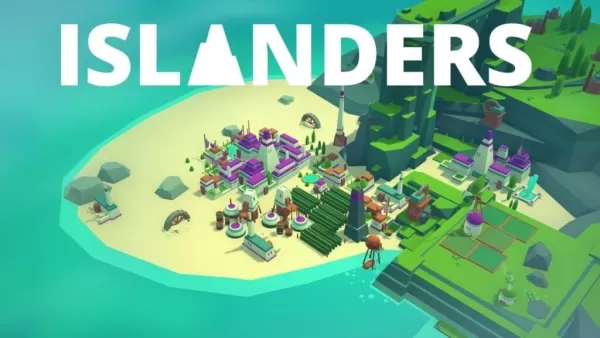
Городской симулятор Islanders: New Shores выходит на мобильные платформы в этом месяце!
Coatsink переносит свою расслабляющую градостроительную игру на мобильные платформы. На самом деле, они выпускают Islanders: New Shores на мобильные устройства. Игра выйдет 20 ноября под названием Islanders: Mobile для Android и iOS, с полной интегра
Похожие загрузки

Такие игры, как Blackjack

Choctaw Slots
Казино丨120.88MB
Vegas Journey
Казино丨14.71MB
Bravo Casino
Казино丨16.59MB
Bầu cua 2024 2025
Казино丨37.73MB
Bingo Plus
Казино丨39.3MB
Teen Patti Gold
Казино丨66.52MB
Jackpot Master™
Казино丨22.78MB
Keno Super 4X
Казино丨29.09MB
Teen Patti
Казино丨27.3MB
Последние игры


Zombie Farm
Действие丨12.40M

Toca Hair Salon 3
Головоломка丨31.10M

Apparatus LITE
Головоломка丨12.60M

FNF DOORS MOD
Музыка丨65.10M


Super Tunnel Rush
Виды спорта丨18.70M
Трендовые игры
Более +




Главные новости
Более +

01
01-07
СРОЧНАЯ ИНФОРМАЦИЯ: Flight Simulator 2024 Вход в систему Woes Ground Players
Запуск Flight Simulator 2024 связан с техническими трудностями
Долгожданный запуск Flight Simulator 2024 был значительно затруднен из-за широко распространённых технических проблем, в результате чего многие игроки оказались на земле ещё до того, как смогли подняться в виртуальное небо. В этой статье подробно описаны сообщения о d
02
12-10
Elden Ring: Небронированный образ NPC Shadow of the Erdtree
В дополнении Shadow of the Erdtree для Elden Ring есть несколько устрашающих NPC, и датамайнер сделал их значительно менее устрашающими, продемонстрировав, как выглядят модели персонажей внутри их доспехов. В то время как некоторые из этих NPC Elden Ring Shadow of the Erdtree DLC имеют довольно простые модели, другие
03
01-06
CDPR признала слабый геймплей в The Witcher 3
Ведьмак 3, несмотря на признание критиков, не был лишен недостатков. Многие фанаты считали, что боевая система несовершенна.
В недавнем интервью игровой директор Ведьмака 4 Себастьян Калемба признал недостатки игрового процесса предыдущей игры, особо подчеркнув необходимость значительного улучшения.
04
11-17
Hogwarts Legacy 2 — «один из важнейших приоритетов» WB Games
После успешного запуска игры «Чемпионы по квиддичу» на этой неделе компания Warner Bros. Discovery подтвердила свои планы относительно продолжения прошлогодней ролевой игры о Гарри Поттере, хита «Наследие Хогвартса» — самой продаваемой игры 2023 года. Планы на продолжение «Наследия Хогвартса» подтверждены компанией Warner Bros. Discovery Ожидается в
05
11-16
Повара самолета приносят на борт превосходную закуску Pringles!
Приготовьтесь перекусить: компания Nordcurrent только что организовала захватывающее событие для своей кулинарной игры. Это самый неожиданный коллаборация Airplane Chefs и Pringles. Если вы наслаждаетесь своей виртуальной жизнью в качестве стюардессы, все станет намного вкуснее. Разработчик игры, стоящий за p
Темы
Более +